So much for Otto Kruger, OK?
The origin of ‘OK’ is apparently long before the lease-lend ships of World War II.
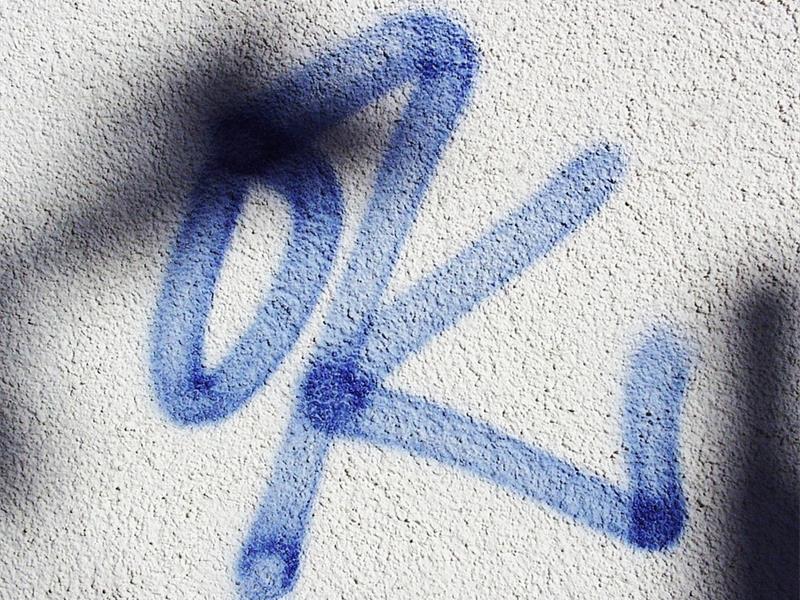
AMONG the popular myths as to the origin of the expression ‘OK’ was one involving a rivet inspector – a certain Otto Kruger – who scrawled his initials on the side of the ship under constructions when he had inspected the rivets.
Many of these ships were destined to ply the north Atlantic route as part of the US lease-lend scheme during World War II and so the initials became well known on both sides of the Atlantic.
Not so!
Apparently, the initials were meant as an abbreviation for ‘oll korrect’, a popular slang misspelling of ‘all correct’ 100 years earlier.
During the late 1830s, it seems it was a favorite practice among younger, educated circles to misspell words intentionally, then abbreviate them and use them as slang when talking to one another.
Of all the abbreviations used during that time, ‘OK’ was propelled into the limelight when it was printed in the Boston Morning Post on March 23, 1839, as part of a joke. Its popularity exploded when it was picked up by contemporary politicians.
When the incumbent president Martin van Buren was up for reelection, his Democratic supporters organised a band of thugs to influence voters. This group was formally called the ‘OK Club’, which referred both to Van Buren’s nickname ‘Old Kinderhook’ (based on his hometown of Kinderhook, New York) and to the term recently made popular in the papers.
At the same time, the opposing Whig Party made use of ‘OK’ to denigrate Van Buren’s political mentor Andrew Jackson. According to the Whigs, Jackson invented the abbreviation ‘OK’ to cover up his own misspelling of ‘all correct’.
The man responsible for unravelling the mystery behind ‘OK’ was an American linguist named Allen Walker Read.
An English professor at Columbia University, Read dispelled a host of erroneous theories on the origins of ‘OK’, ranging from the name of a popular army biscuit to the signature of a Choctaw chief named Old Keokuk.
Whatever its origins, ‘OK’ has become one of the most ubiquitous terms in the world and certainly one of America’s greatest linguistic exports.
HAVE YOUR SAY
Like our Facebook page, follow us on Twitter and Instagram
For news straight to your phone, add us on BBM 58F3D7A7 or WhatsApp 082 421 6033