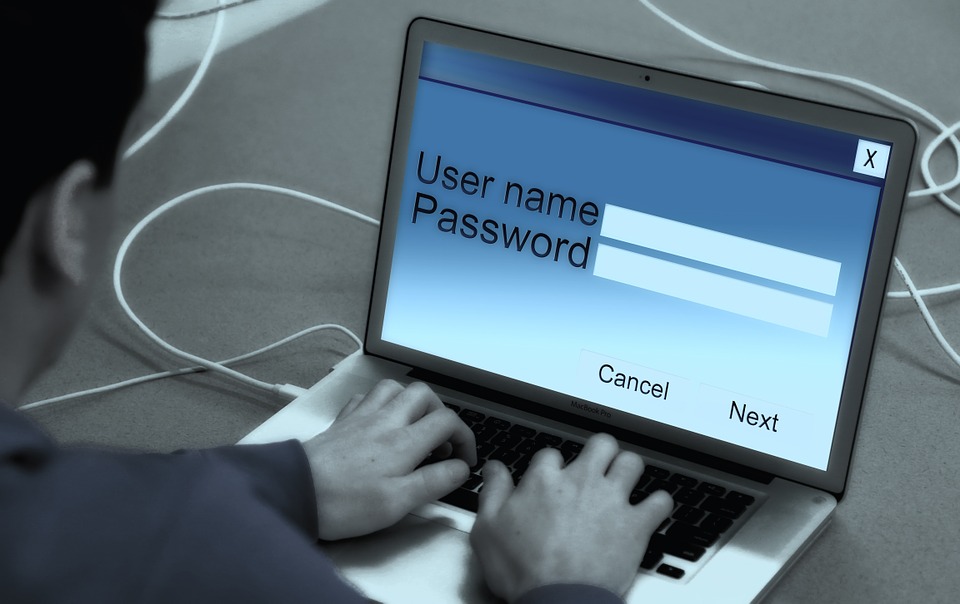
WITH the advent of the internet and the more recent introduction of smart phones, it is little wonder that cybercrimes head up the list of top scams.
SPEAR PHISHING is where the perpetrator targets a specific person or organisation. This takes the form of emails addressed to you, ostensibly from your bank or even the South African Revenue Service.
The PURCHASE CHARGEBACK and EFT PAYMENT SCAM where the recipient is tricked into believing that a transaction had been conducted on their account. The recipient is urged to click on a link in the email which takes them to a fraudulent banking website. Once you log on there the scammers have your logon details and will access your real banking account take your money.
The RESET YOUR PASSWORD SCAM where an email tries to fool the recipient into clicking a link to reset their Internet Banking Password. The link normally points to a completely different website altogether.
To protect yourself, set an account payment limit on your internet banking profile. Never click on any links in emails – your bank will never contact you via email regarding account activities. As soon as you receive a suspicious looking email delete it.
WHALING – this is where executives or board members are targeted. Junior employees are requested make payments to service providers, supposedly at the behest of senior managers. Again it involves clicking on links in the email. Always double-check unusual payment requests and red flag any unexpected emails requesting unusual transfers
SMISING – is a phishing attack using text messages (sms). In South Africa scam smses range from lottery wins, traffic fines, bank deposit notification and coupon specials which are designed to part consumers from their cash and extract information which can be used for identity theft. For fines or payments, scammers often pose as collection agents.
Remember there is no lottery in the world that picks people at random and offers them large sums of money when no ticket was purchased. There are no winnings in competitions you did not enter.
VISHING – is where confidential information is solicited over the phone by scammers claiming to represent internet companies warning about virus infections on home computers. Typically they will demand payment for their ‘antivirus solution’ which may in fact install malicious software on home computers. The best known example is the Microsoft technical support call phone scam, which is still doing the rounds. If the victim follows the instructions, they end up giving the scammer remote access to their PC – which enables them to access banking and email accounts.
Any person who cold calls you and wants you to access your computer via their instructions is up to no good. Simply hang up.
Never has the old adage ‘forewarned is forearmed’ been more appropriate than when it comes to cybercrimes. If in doubt a simple online search for ‘latest scams in South Africa’ will bring up a host of websites providing up-to-date news on trending scams and what you can do to protect yourself.
HAVE YOUR SAY
Like our Facebook page, follow us on Twitter and Instagram
For news straight to your phone, add us on BBM 58F3D7A7 or WhatsApp 082 421 6033