10 Drugs most dangerous to your baby during pregnancy
Make sure you take care of your body and the wellbeing of your growing baby by reading labels and package inserts, and by consulting with your pharmacist or doctor if you’re unsure of what medications are safe to take.
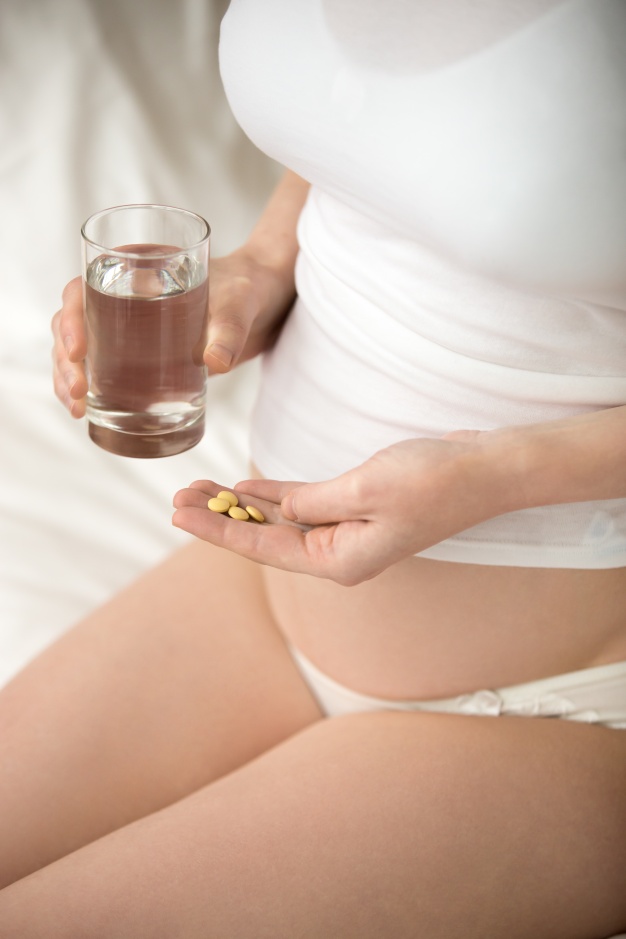
For many women, pregnancy is a time to take extreme care; to deny your usual pleasures and conveniences for the benefit of your unborn child. No smoking, or other vices, says a release issued by The Self-Medication Manufacturers Association of South Africa (SMASA).
But widespread abstinence isn’t easy when you’re ill, or would otherwise take a tablet to treat a headache or hay fever. As you know, the medicines and supplements that you use while pregnant could affect the health of your growing baby.
YOU MIGHT ALSO BE INTERESTED IN: WARNING! Pregnancy and alcohol do not mix
MEDICINAL RISKS
The average risks of delivering a baby with major birth defects is relatively low for most people; about 3 to 5%, according to Australian pharmacy lecturer, Treasure McGuire. She says, however, that untreated diseases, like epilepsy or depression, and consumed substances like medicine, herbal remedies, and foods, can increase that risk – especially when their use coincides with critical foetal development during the first and third trimesters.
According to Kecia Gaither, a medical doctor at WebMD and McGuire, the medicines that are the riskiest during pregnancy include:
- Aspirin
- Ibuprofen
- Isotretinoin, taken for acne (formerly sold as Accutane)
- Thalidomide, to treat a type of skin disease and multiple myeloma
- Vitamin A derivatives
- Certain anti-cancer drugs and immune-system-modifying medicines
- The epilepsy drug Phenytoin
- The anticoagulant Warfarin
- Mood stabilisers, Valproate and Lithium
- Alcohol in chronic or high doses
Despite this, McGuire notes that in most cases, “the risk of adverse effects on unborn babies is likely to be higher from an untreated maternal disease than from the medication used to treat the condition”.
So in once-off, dire situations when you must take a medicine to safeguard your own health, chances are good that you and your baby will be fine. Just take care to do so in consultation with your healthcare professional.
Gaither adds that you should chat to your doctor before taking the medicines listed below. Although they’re not recommended during pregnancy, the illnesses that they treat may pose a higher risk to you and your baby than the drugs themselves:
- Certain anti-depressants
- Lithium for bipolar disorder
- Phenytoin for seizures
- Certain cancer-treating chemotherapies
- Fluconazole for yeast infections
- Albuterol for asthma
SAFEST MEDICINES
The medicines you use change the natural state of your body. And, when you consider the fact that your body is doing all kinds of incredible things to grow a baby, this can be serious.
For many substances, there’s also insufficient data to make a call on safety. This is why Dr Trudy Smith, a Johannesburg-based gynaecology oncologist and obstetrician advises that it is best to avoid all unnecessary medication while pregnant.
What about self-medicating when you’re really sick? Traci C Johnson, another medical doctor from WebMD, says these medicines may be safe from the second trimester:
- Diphenhydramine
- Loratadine
- Steroid nasal spray
- Paracetamol
- Saline nasal drops or spray
- Warm salt-water gargle
- Colace
- Fibre supplements
- Bacitracin
- Camphor cream
- Hydrocortisone cream or ointment
- Oatmeal bath
Again, any medication taken during pregnancy must be under the direction of your trusted medical professional.
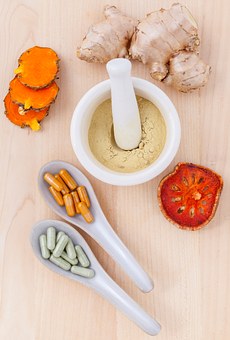
HERBAL TREATMENTS
Just because a treatment is natural doesn’t mean it’s safe. As Dr Trudy Smith cautions, “We have no randomised controlled trials on herbal medication in pregnancy.” Plus, on a list of herbal remedies to use and avoid while pregnant, supplied by the BabyCentre Medical Advisory Board there are more herbs marked as ‘risky’ than as ‘safe’. Proceed with caution, and only with the insights of your pharmacist, GP or obstetrician.
GOOD SUPPLEMENTS
There are certain supplements that you should take while pregnant. According to an article by WebMD, folic acid (a man-made form of folate) is one of the most important. Folic acid supports red blood cell production and neural tube development in the baby’s brain and spinal cord. In fact, Dr Trudy Smith confirms that supplementing your diet with folic acid even before you fall pregnant can make a significant difference to your baby’s health.
The easiest way to get important nutrients into your system is by taking a good prenatal multivitamin. WebMD recommends one that contains folic acid, iron, iodine, and calcium, as these minerals are particularly important to your baby’s development. If you can find one with Omega 3 fatty acids in it, that’s a plus too, as the American Pregnancy Association says they’re “essential for neurological and early visual development”.
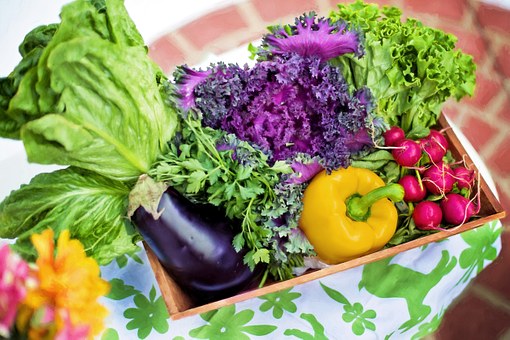
DIET AS MEDICINE
A proactive approach to wellness is always best, especially if you’re pregnant. WebMD explains that this translates into a healthy, balanced and varied diet full of:
- Grains
- Fruit
- Vegetables
- Leafy greens
- Dairy
- Protein
- Fibre
Some women love every moment of pregnancy; others can’t wait for it to end. Whatever your feelings about it, one thing’s for sure: it’s the experience of a lifetime. Make sure you take care of your body and the wellbeing of your growing baby by reading labels and package inserts, and by consulting with your pharmacist or doctor if you’re unsure.
HAVE YOUR SAY
Like the South Coast Herald’s Facebook page, follow us on Twitter and Instagram
For news straight to your phone, add us on BBM 58F3D7A7 or WhatsApp 082 421 6033