June 2: On This Day in World History … briefly
Interesting historic snippets and facts taken from the book ‘On This Day’ first published in 1992 by Octopus Publishing Group Ltd, London.
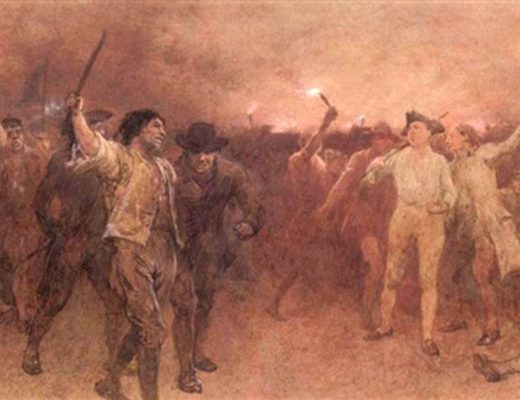
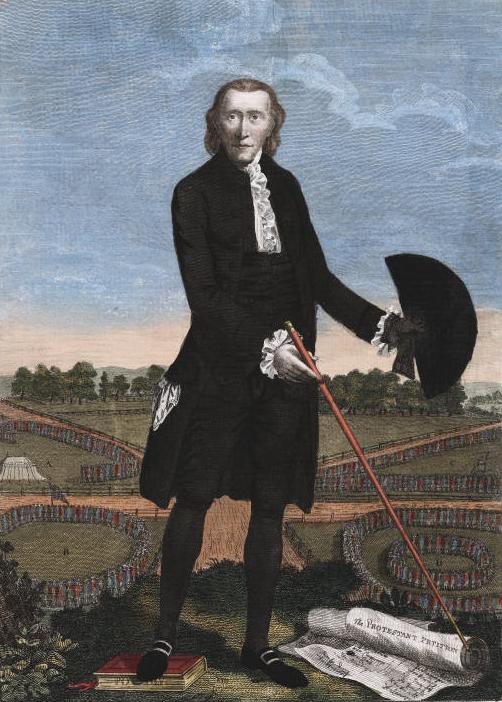
1780: Lord George Gordon foments riots to protest against the ending of penalties against Roman Catholics in the Roman Catholic Relief Act of 1778.
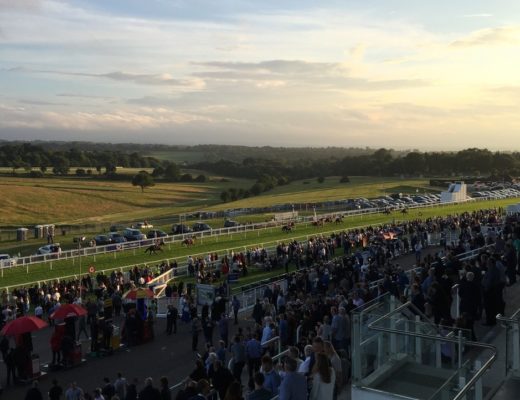
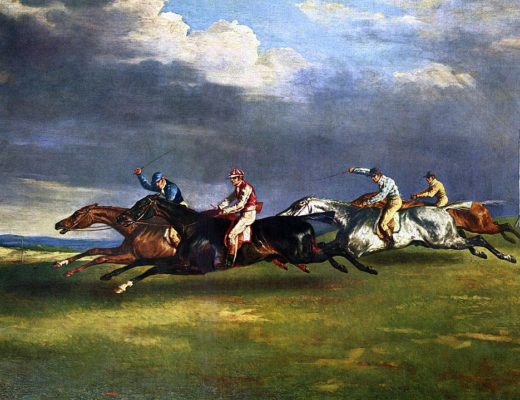
1780: A new horse race was run at Epsom Downs in the south of England. Named the Derby after Edward Stanley, 12th Earl of Derby. The race takes place over a 1 and a half mile (2.4km) course with a field limited to three-year-old colts and fillies.
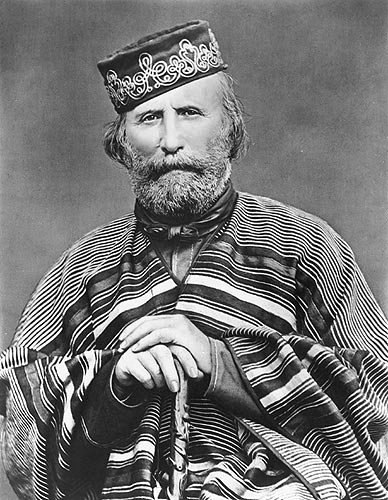
1882: Italian nationalist leader Guiseppe Garibaldi dies aged 74.
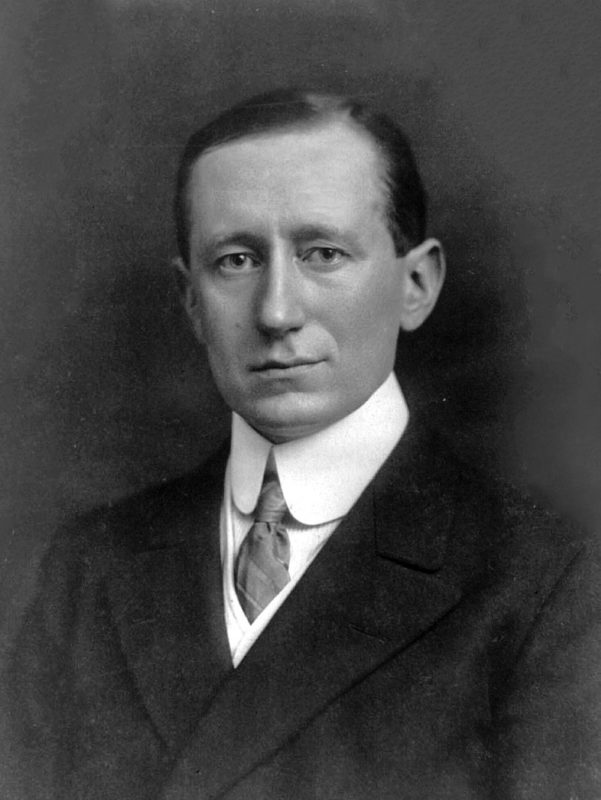
1896: Italian-born physicist Guglielmo Marconi, living in London, took out the first patent for a wireless telegraphy apparatus, a device that transmitted spoken messages over long distances without the aid of wires or cables. Using a transmitter and receiver, Marconi’s invention broadcast sound by means of invisible electro-magnetic or radio waves – a phenomenon first demonstrated by German physicist Heinrich Hertz. Although transmission was limited to a distance of under 12 miles (19km), Marconi aimed to extend its range still further – perhaps even France.
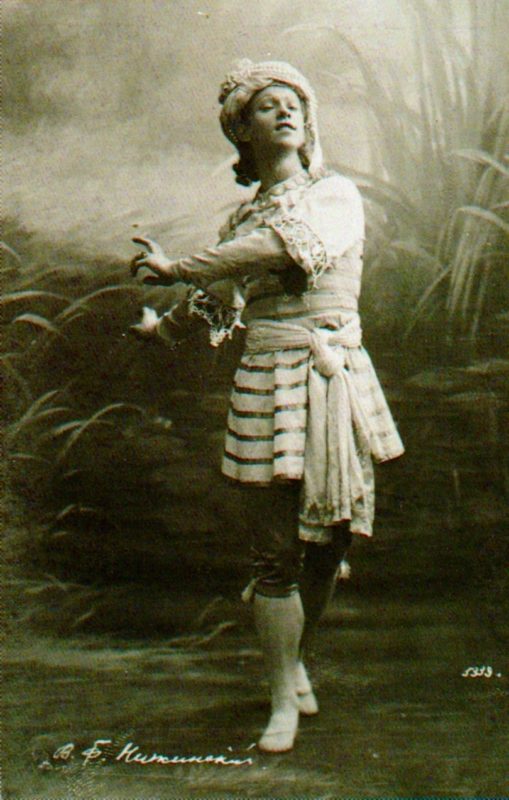
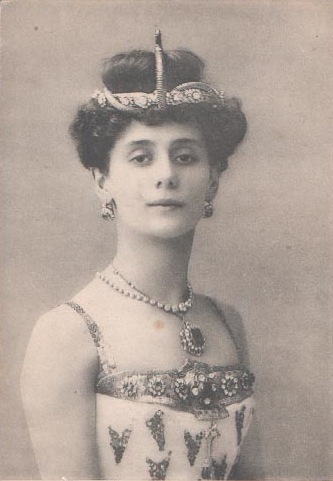
1909: Vaslav Nijinsky and Anna Pavlova lead in the Paris premiere of Les Sylphides.
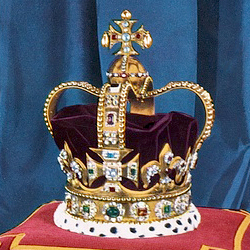
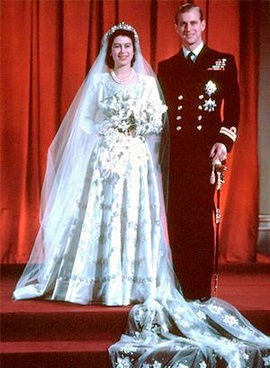
1953: In a scene of ritual pomp and splendour at London’s Westminster Abbey, the Archbishop of Canterbury solemnly lowered the Crown of St Edward onto the head of Princess Elizabeth Alexandra Mary, to make her Queen Elizabeth II of Great Britain and Ireland. Outside, in the cold and wet, thousands of spectators waited for the new Queen to emerge and make her journey to Buckingham Palace in the ceremonial golden coach. Black-market tickets for the event sold for as much as £50 ($92), while a balcony with a good view commanded up to £3 500 ($6 500). Those who could not make it were glued to the screens of a record of two and a half million televisions. Ironically, had it not been for the abdication of her uncle Edward VIII in favour of her father George VI, Elizabeth would not have had the starring role in the ceremony. Married in 1947, to her distant cousin Prince Philip of Greece, subsequently Duke of Edinburgh, Elizabeth was representing her father at state occasions since 1951, due to the gradual decline in the King’s state of health. It was while on a state visit with her husband to Kenya, en route to Australia and New Zealand, that the Queen heard of her father’s death and her accession to the throne.
1954: Eighteen-year-old jockey Lester Piggott wins his first Derby on Never Say Die, the first American horse to win the Derby since Iroquois in 1881.
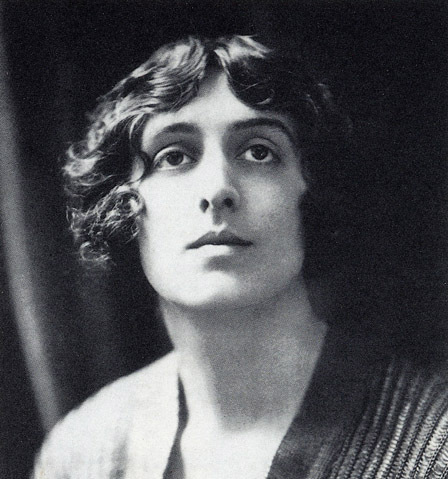
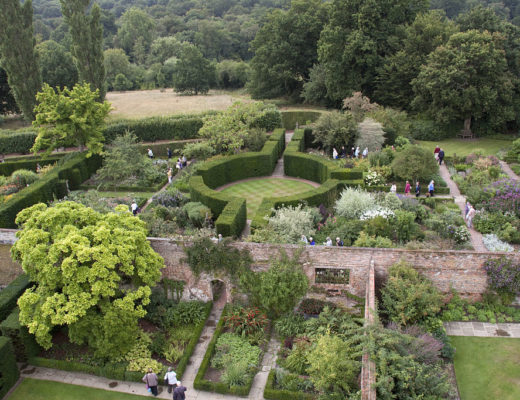
1962: Death of Vita Sackville-West, British novelist and gardener who wrote All Passion Spent and created the garden at her home Sissinghurst Castle, Kent.
1964: The PLO is formed in Jerusalem.
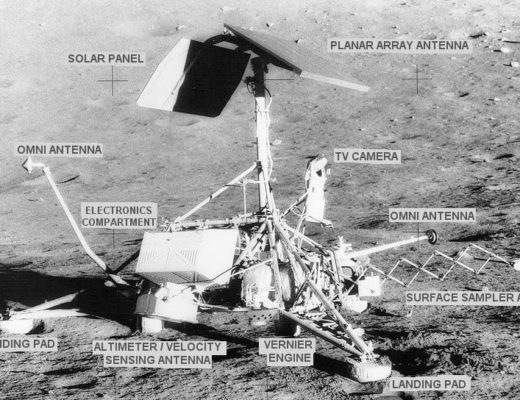
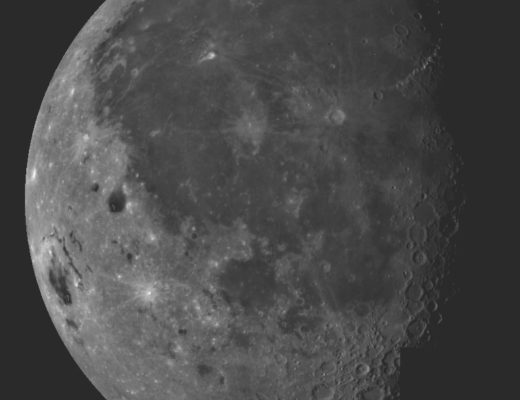
1966: American automatic spacecraft Surveyor lands in the south-west part of the moon’s Oceanus Procellanum.
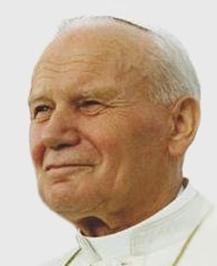
1979: There was an emotional welcome waiting for Pope John Paul II as he set foot again on the soil of his native Poland. Born 59 years previously in Wadowice and christened Karol Wojtyla, John Paul was only elected to office on October 16, 1978 – the first non-Italian to be elected Pope in 456 years. Although Poland was under Communist rule, much of the population remained true to its Roman Catholic roots. The Pope’s visit marked a major opening-up in the relationship between the Church and the countries of the Communist bloc.
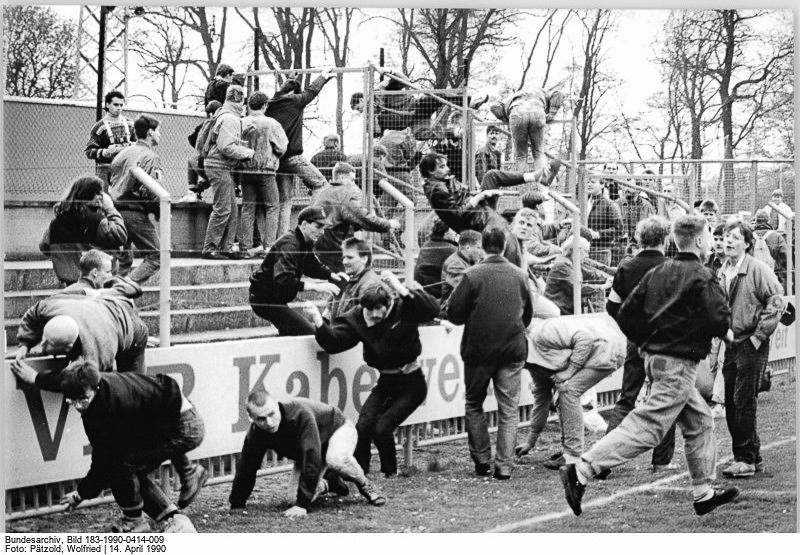
1985: English football clubs are banned indefinitely from playing in Europe on account of hooliganism by British fans abroad.
1987: In Australia, Lindy Chamberlain, the mother convicted of murdering her baby in the sensational ‘dingo murder’ case, finally received an official pardon. Lindy consistently maintained her innocence, claiming that her baby was killed and carried off by a dingo – a wild Australian dog.
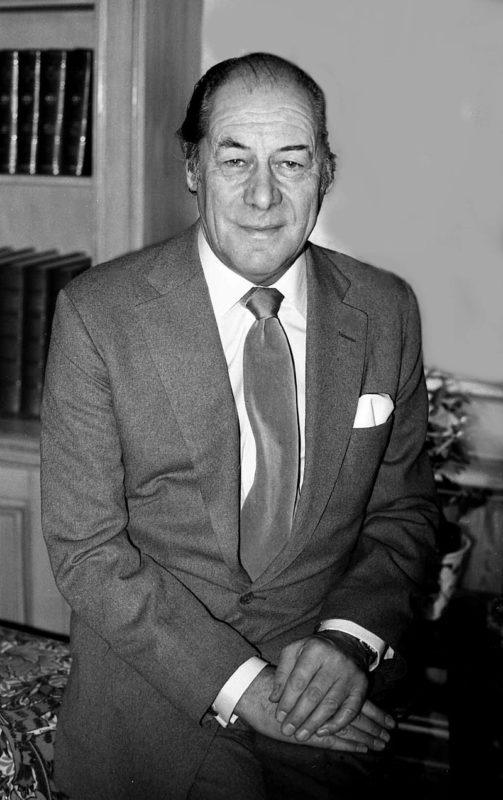
1990: Rex Carey Harrison, better known as the actor Sir Rex Harrison, dies at age 82. Sir Rex began his long career in theatre and films at the Liverpool Repertory Theatre in 1924, going into films five years later in 1929. Known for his suave manner, he excelled in playing the ‘English gentleman’ type. He will be best remembered for his role as Professor Henry Higgins in the musical My Fair Lady, a part that he played both on Broadway and on the London stage from 1956 to 1958, winning not only a Tony, but also an Academy Award.
HAVE YOUR SAY
Like our Facebook page, follow us on Twitter and Instagram
For news straight to your phone, add us on WhatsApp 082 421 6033