June 3: On this day in world history …. briefly
Interesting historic snippets and facts taken from the book ‘On This Day’ first published in 1992 by Octopus Publishing Group Ltd, London.
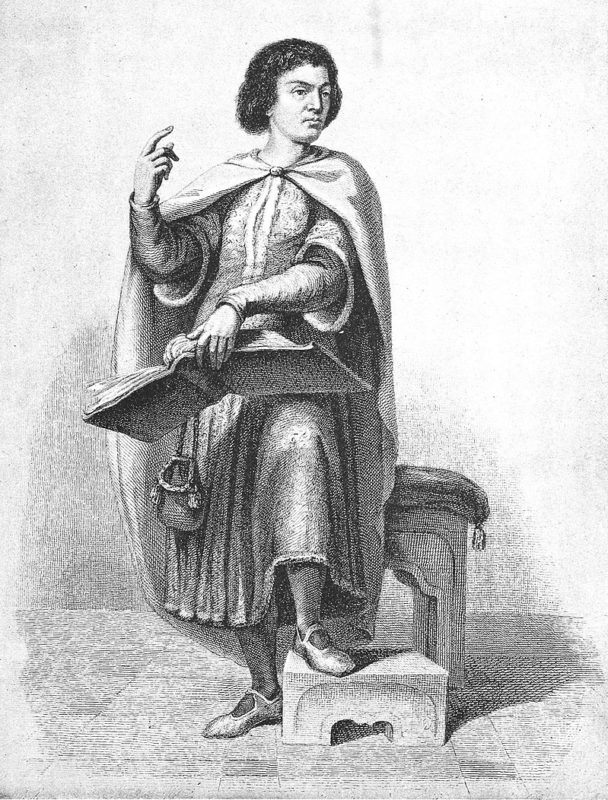
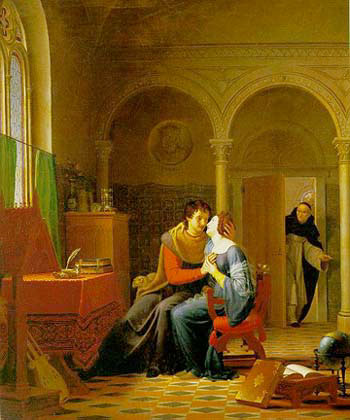
1140: The controversial views of leading French scholar Peter Abelard landed him in serious trouble: in a dramatic verdict, a church court found him guilty of heresy. Abelard was no stranger to controversy and this was just one in a series of confrontations with the church. Personal tragedy also brought him fame of another kind – through his celebrated love affair with his beautiful pupil, Hèloïse. The discovery of the couple’s liaison so enraged Hèloïse’s uncle that he ordered Abelard’s castration. After this brutal attack, the couple separated – Abelard became a monk and Hèloïse entered a convent. They did manage to renew contact some years later, however, in a series of letters.
1665: British naval forces under the Duke of York defeat the Dutch fleet off the coast of Suffolk.
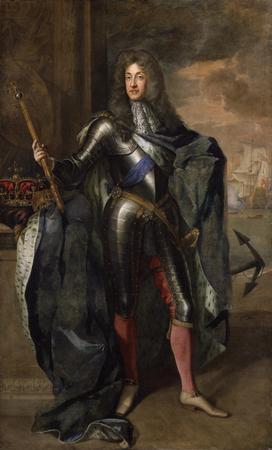
1864: In the American Civil War, more than 6 000 Unionists are killed or wounded in less than an hour at Cold Harbour.
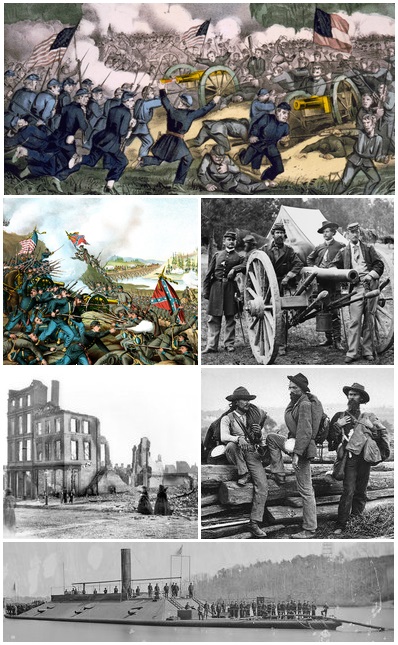
1875: Death of French composer Georges Bizet, best known for his opera Carmen.
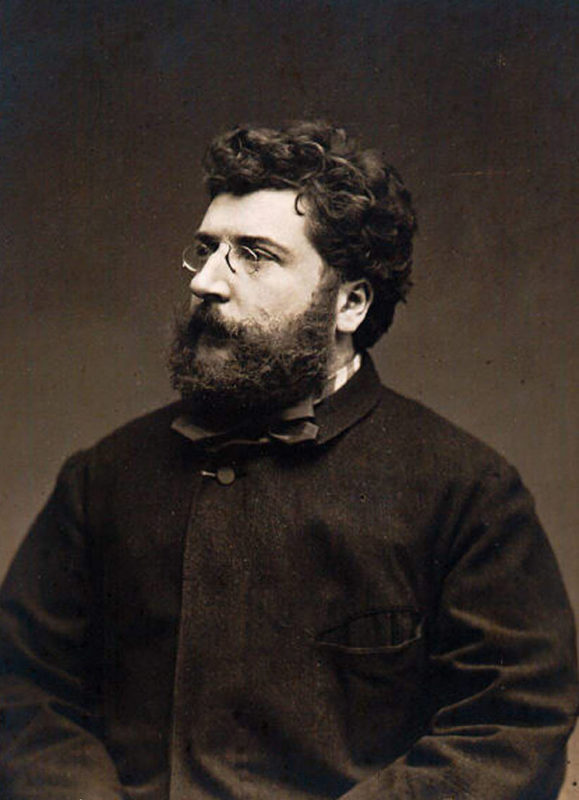
1899: Death of Johann Strauss the Younger, composer of The Blue Danube.
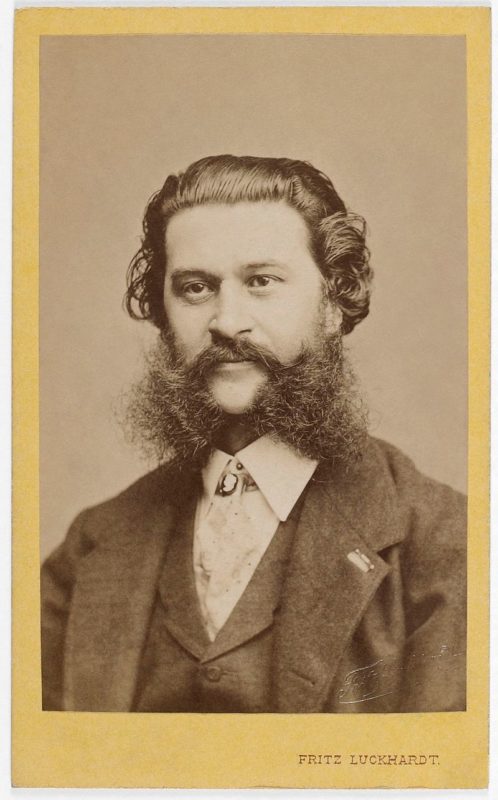
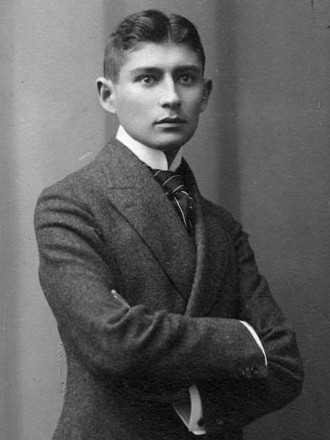
1924: German novelist and short story writer Franz Kafka dies in a sanatorium at Kierling, near Vienna, after losing his seven-year battle with tuberculosis. With his pessimistic view of the world and of the despair and alienation of modern man, Kafka characteristically saw his illness as psychosomatic – a conspiracy between his head and body to put an end to his internal anguish. Kafka was always reluctant to publish and before his death he exacted a promise from his friend Max Brod not to allow the publication of any more of his writings. If this promise had been honoured, much of the work of a literary giant would have been lost forever.
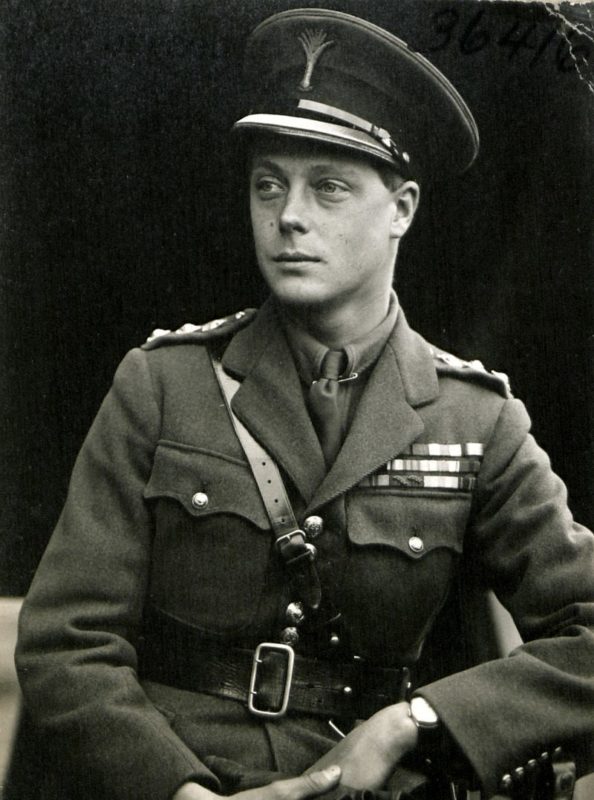
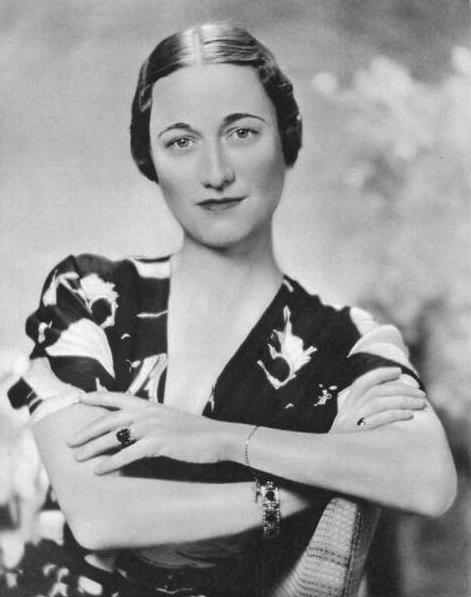
1937: Former King Edward VIII of Great Britain and Ireland married his American bride Wallis Warfield Simpson in a ceremony in Paris. The marriage marked the end of a Royal scandal that rocked the nation. Edward and Mrs Simpson met in 1931 and his relationship with her caused a major rift in the Royal Family and outraged the Church of England hierarchy. Mrs Simpson divorced in October the year before and that November Edward, realising that he might have to choose between his crown and the woman he love, told Prime Minister Baldwin that if he could not marry her and remain king, he was ‘prepared to go’. A possible solution was suggested that would have been constitutionally acceptable: the couple could marry, but Mrs Simpson would not be given royal status. Given time, the idea might have won popular support had the story not become headline news in the British press afterwards, forcing an instant decision. Only a week later, in December 1936 (less than a year after he was crowned) Edward signed papers of abdication. The couple are now known as the Duke and Duchess of Windsor, but only the Duke will bear the title.
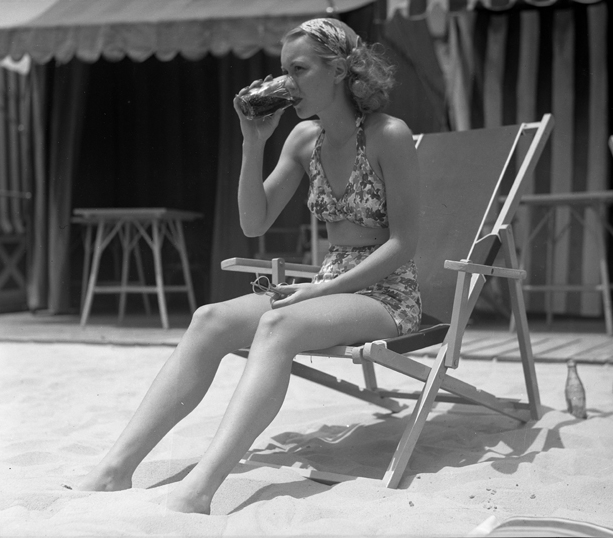
1946: The first bikini bathing suit goes on show in Paris.
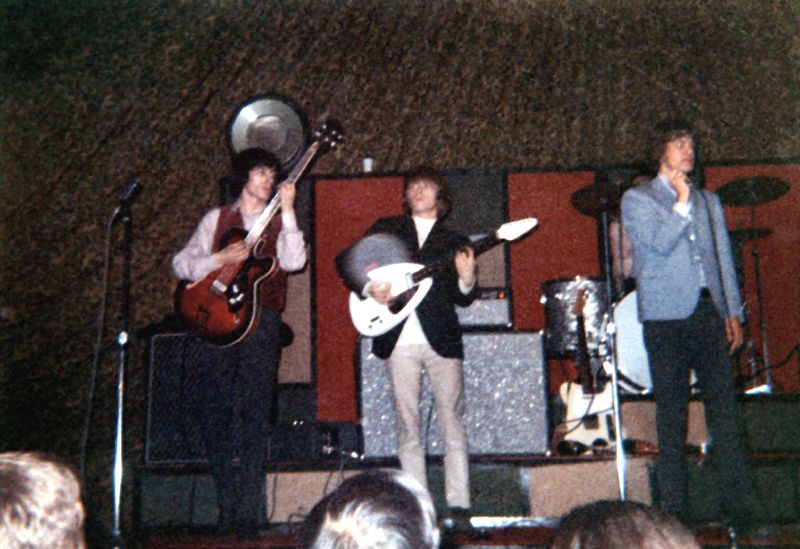
1964: The Rolling Stones begin their first US tour.
1972: In Cincinnati, Sally Priesand is ordained as the first woman rabbi.

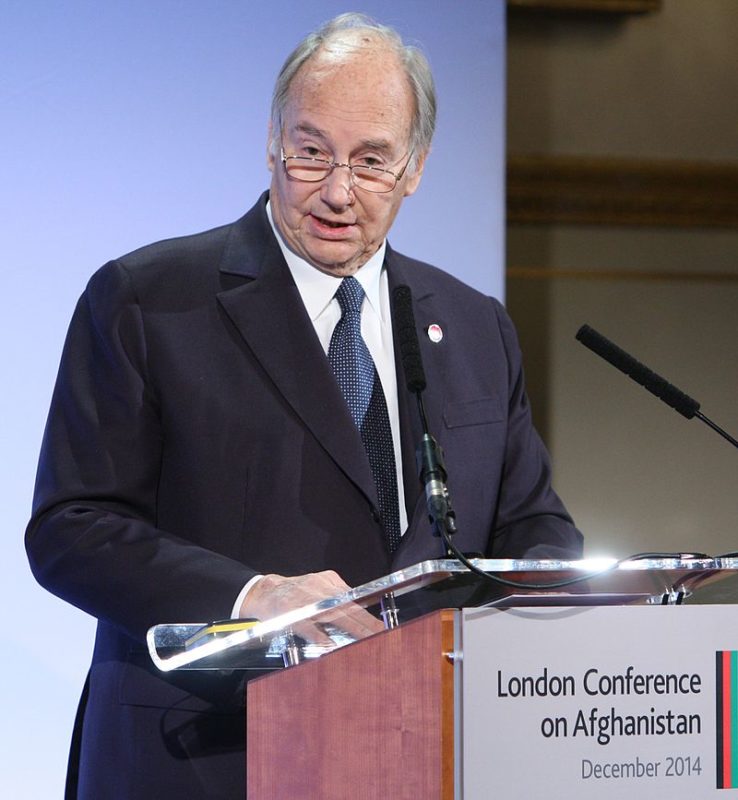
1981: Shergar, one of the Aga Khan’s many horses, wins the Derby by a record 10 lengths.
1984: The British government admits there is a higher level of leukaemia than average around the Sellafield nuclear station.

1998: High-speed train crash kills 98 in Germany.

HAVE YOUR SAY
Like our Facebook page, follow us on Twitter and Instagram
For news straight to your phone, add us on WhatsApp 082 421 6033