June 15: On This Day in World History … briefly
Interesting historic snippets and facts taken from the book ‘On This Day’ first published in 1992 by Octopus Publishing Group Ltd, London.
1215: Baron Knights sign deal
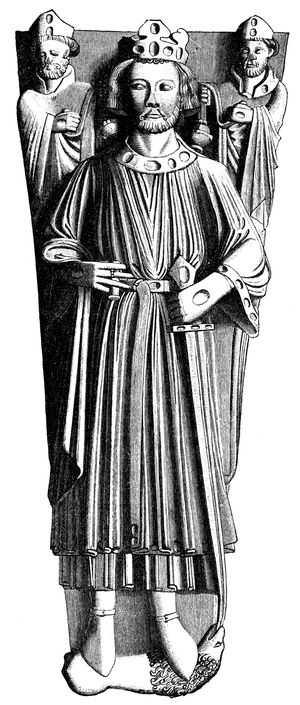
King John and his barons met on the banks of the River Thames at Runnymede, near London, to hammer out a new deal. The document signed is called the Magna Carta. Its effect will be a decentralisation of power, taking total authority from the hands of the King and granting the people of England, and particularly noblemen, certain basic rights and liberties. The barons had been pressing for the agreement in the wake of years of heavy taxation and increasing power of the monarchy. In a show of good faith, the King agreed to a penalty clause – if he did not keep to the terms of the charter, a council of 25 barons were allowed the ultimate sanction of taking him to war.
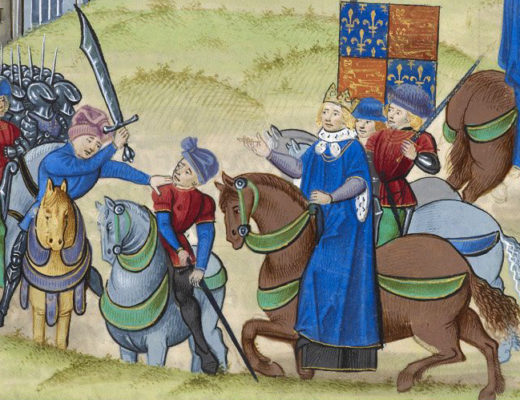
1381: English poll tax protester Wat Tyler is executed at Smithfield.
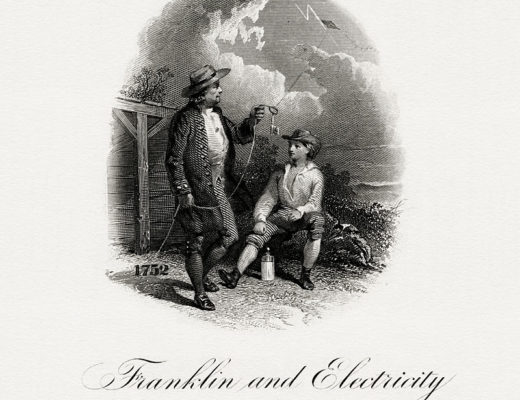
1752: In a brave – or perhaps foolhardy – act, American founding father, diplomat and scientist Benjamin Franklin flew a kite in a thunderstorm to prove his theory that electricity and lightning are the same phenomenon. He also believed that electricity was ‘an Element diffused among, and attracted by, other matter, particularly water and metals. And if it was, it should be possible to harness its power.
1825: The Duke of York lays the foundation stone of London Bridge.

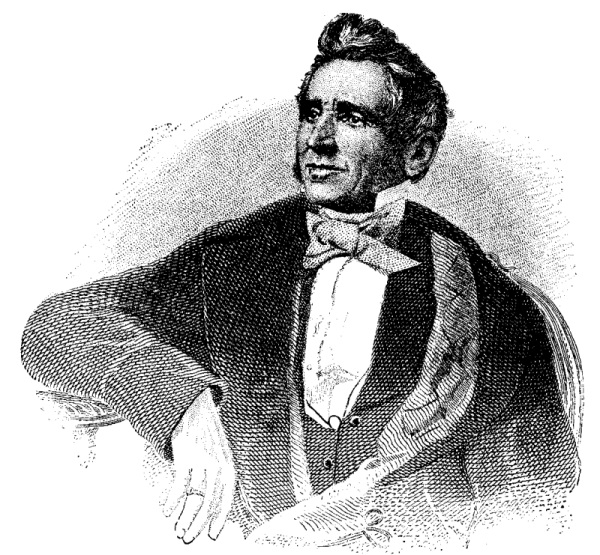
1844: In the US, Charles Goodyear patents vulcanised rubber.
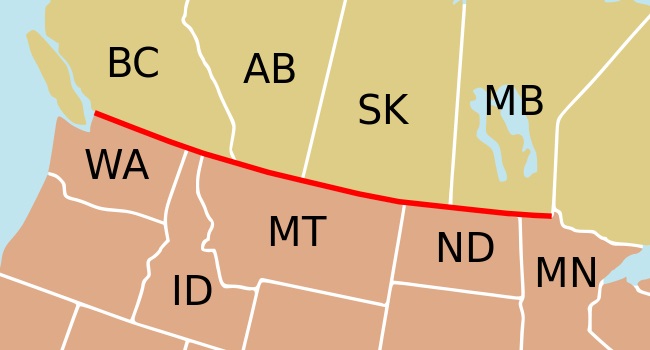
1846: The 49th parallel is proclaimed to be the border between the US and Canada.
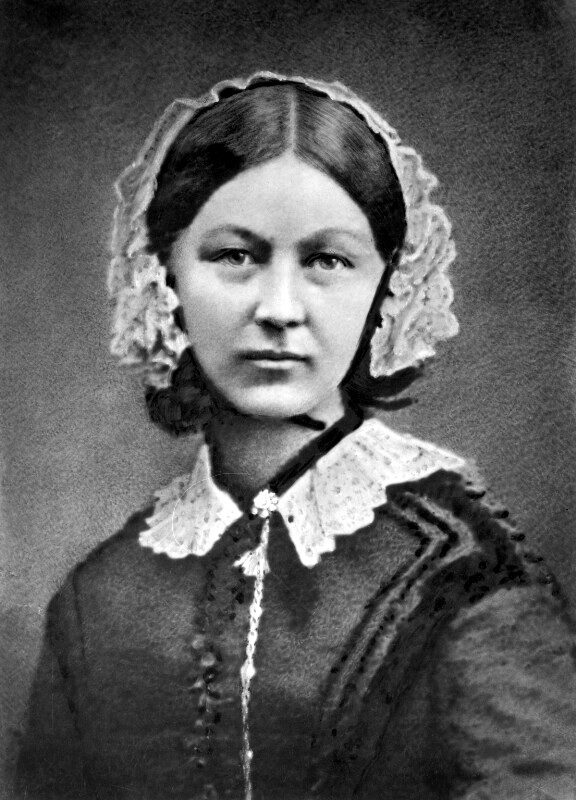
1860: New school for Nightingale
Nursing pioneer Florence Nightingale opened the world’s first school for nurses at St Thomas’ Hospital in London. The heroine of the Crimean War, Nightingale did more than anyone to raise the standards of nursing and improve the way in which the job was viewed. During the war, she not only tended the sick and wounded in the most primitive conditions, but pressed the British government for better food supplies and hygiene facilities. The £45 000 used to open the new school came from the Nightingale Fund, established through public subscription to commemorate Crimea. The school would provide nurses with their first formal training courses.
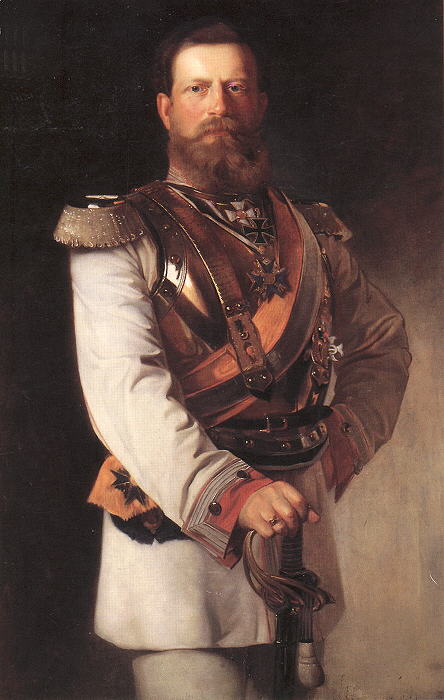
1888: Emperor Frederick III of Germany dies.
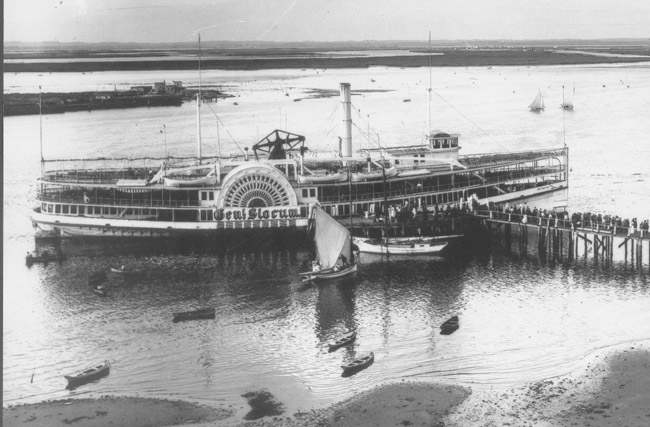
1904: The paddle steamer General Slocum catches fire in New York Harbour, killing 693 people.
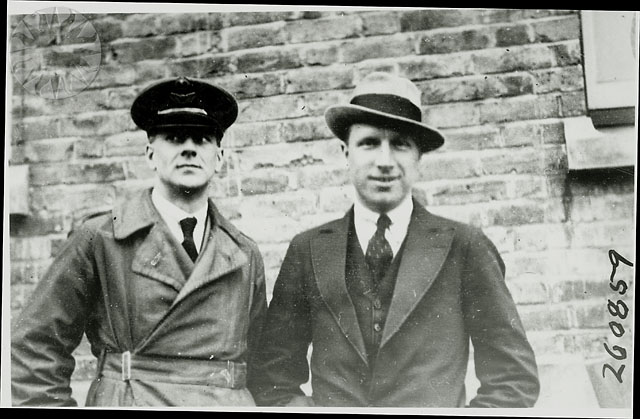
1919: Alcock and Brown cross Atlantic in one swoop
Aviation history was made at Captain John Alcock and Lieutenant Arthur Whitten Brown touched down on the green turf at Clifden, Ireland,thus completing the world’s first non-stop flight across the Atlantic. Taking off from St John’s, Newfoundland, the day before, the two former WWI airmen completed their record-breaking flight – 1 960 miles (3 150km) across the empty expanse of the Atlantic Ocean – in only 16 hours 12 minutes. Their aircraft, a Vickers-Vimy bomber, was kept aloft by two 350hp Rolls-Royce engines.
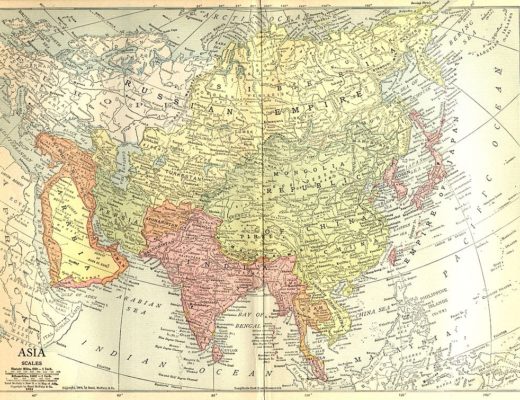
1933: China and Tibet end a two-year war with a treaty that agrees mutual respect for the pre-war border.
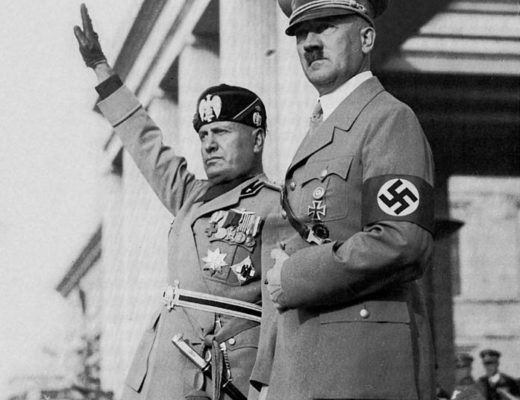
1934: In Venice, dictators Hitler and Mussolini meet for the first time.
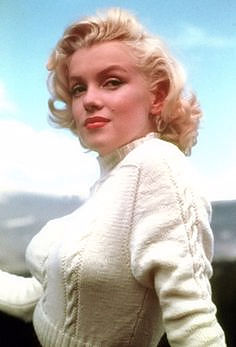
1953: Marilyn’s blonde bombshell rocks Hollywood
Curvaceous blonde Marilyn Monroe caused quite a stir in Hollywood in her first major starring role in the film comedy ‘Gentlemen Prefer Blondes’. The film is based on the bestseller of the same name by Anita Loos, and centres around the adventures of a ‘dumb blonde’, played by Monroe and a wordly showgirl, played by co-star Jane Russell, who go to Paris in search of rich husbands. Monroe, a former photographic model, made it into the movies after a nude shot of her was spotted on a calendar. A succession of bit parts followed, then minor roles in the ‘The Asphalt Jungle’, and ‘All About Eve’, both released in 1950. In ‘Gentlemen Prefer Blondes’, Monroe reveals quite a talent for comedy, bringing a deceptive wide-eyed naiveté to her character – the beauty without brains.
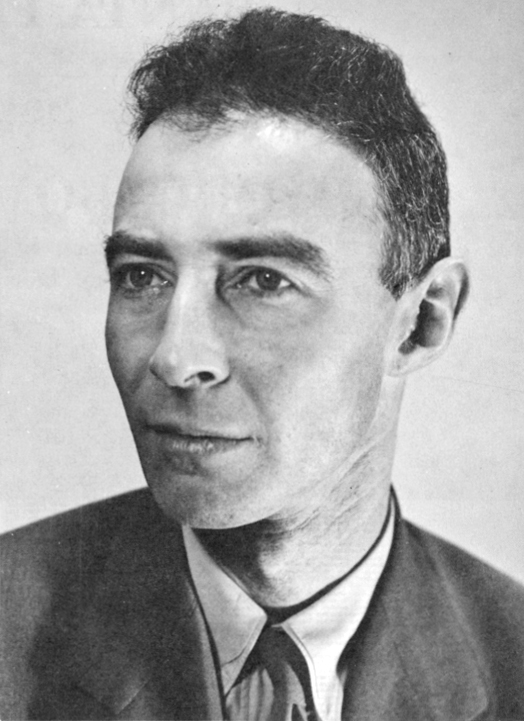
1954: Atom bomb inventor Robert Oppenheimer is declared a security risk by Senator Joe McCarthy’s committee because of his opposition to the development of the hydrogen bomb.
HAVE YOUR SAY
Like our Facebook page, follow us on Twitter and Instagram
For news straight to your phone, add us on BBM 58F3D7A7 or WhatsApp 082 421 6033