Lifting the lid on the great South African honey fraud
Manufacturers of fake honey are scamming South African consumers and threatening the livelihood of a whole sector.
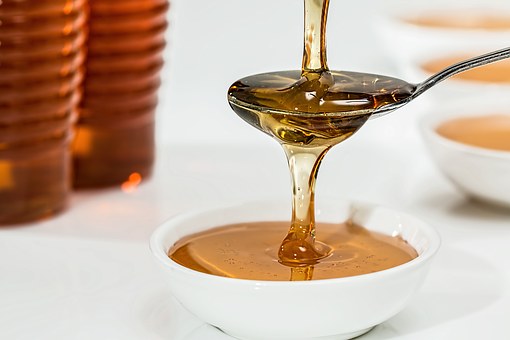
Fake and adulterated honey is becoming the norm in South Africa: product that is sold as honey, but which is actually a mix of sugar, water, and – if consumers are lucky – some honey, says Peels, South Africa’s oldest honey brand.
It adds that this is fraud committed on consumers, putting consumers’ health at risk, undermining the South African beekeeping industry’s viability and threatening South Africa’s agriculture and food security in general.
ALSO READ: Bees are vital for our survival
Peel’s welcomes the efforts of investigative journalists who have started uncovering the ugly truths of fake honey in South Africa. These include the recent ConsumerTalk feature on CapeTalk on 25 July 2018, and M-Net’s Carte Blanche exposé on 29 July 2018.
The company calls on the Department of Agriculture and Forestry to strengthen the resources of its inspection and law enforcement team. “If the department does not take urgent action, the South African honey industry will not be able to survive, endangering hundreds of jobs,” says managing director and beekeeper-in-charge, Craig Campbell.
Beekeepers play a critical role in ensuring that South African commercial crops are able to compete in global markets by providing pollination services. They are thus are a key component of the South African agricultural industry. The continuing demise of the South African beekeeping industry will be detrimental to consumers, agricultural jobs, commercial farmers, and the South African economy alike.
Retailers’ extreme focus on high margins and low cost products, together with insufficient product due diligence, allows fake honey to proliferate. Fake honey makes its way to the shelves of trusted retail chains and even in-house brand and private label bottles.
Also, retailers are clearly not promoting compliance with food labelling regulations which is evident from the labels of product on shelves blatantly not complying with labelling regulations in that most labels do not indicate countries of origin, meet legal design requirements, nor provide a clear indication of the type of honey supplied. All that makes it impossible for even a reasonably circumspect consumer to understand or appreciate what they are purchasing.
Peel’s advocates the formulation of a National Beekeeping Action Plan that will allow the local beekeeping industry to grow into a competitive and sustainable sector which will increase employment of rural South Africans and allow for the export of high quality South African honey products that can compete with the best internationally. Such a plan would include proactive measures to combat fake honey and the dumping of cheap, sub-quality honey imports on to the local market. It would provide the basis for growing the value of the local honey market from ~R3.2bn to beyond R20bn.
HAVE YOUR SAY
Like the South Coast Herald’s Facebook page, follow us on Twitter and Instagram
For news straight to your phone, add us on WhatsApp 082 421 6033