Rheumatic Fever Week: Bringing long overdue recognition to this preventable condition
Rheumatic Heart Disease (RHD) is the most common type of acquired heart disease in children and young people below the age of 25 years.
South Africa will be recognising Rheumatic Fever Week from August 6 to 12. The South African Department of Health declared the first week of August Rheumatic Fever Week over 25 years ago, bringing long overdue recognition to this preventable condition that disproportionately impacts women and children in lower and middle-income countries, including South Africa.
Why the big focus on Rheumatic Fever?
Rheumatic Heart Disease (RHD) is the most common type of acquired heart disease in children and young people below the age of 25 years. The disease results from an illness called Acute Rheumatic Fever (ARF). In the early 1900s, rheumatic fever was one of the most common causes of death, globally, amongst children and young adults. With improved living conditions and the discovery of antibiotics it has all but disappeared in high-income countries.
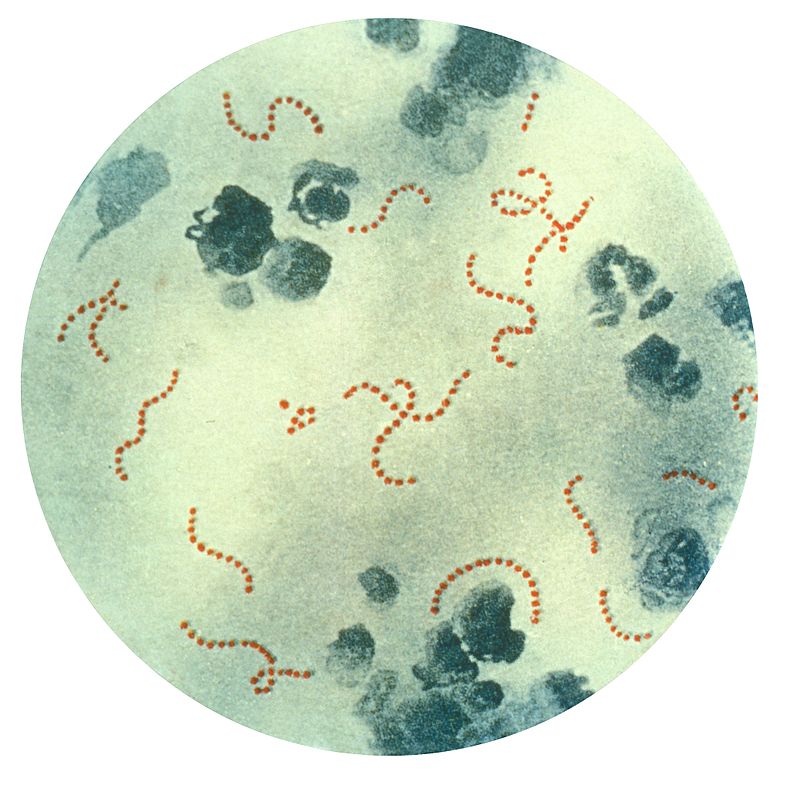
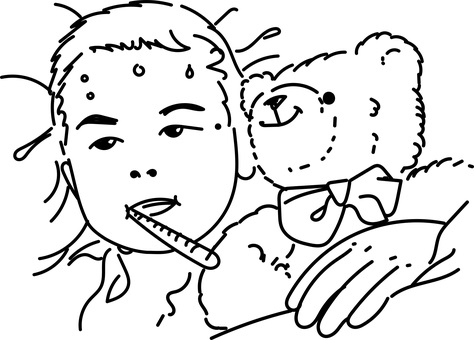
Rheumatic Fever itself is an abnormal immune reaction against a common bacterium called Group A Streptococcus. Patients typically experience a range of symptoms that can include joint pain, fever above 38°C, feeling generally unwell and tired with shortness of breath, sometimes a skin rash, and uncontrolled body movements. Rheumatic Fever (RF) is preceded two or three weeks earlier by a bacterial throat infection, commonly called strep throat.
A single episode or repeated episodes of rheumatic fever can cause damage to heart valves. Left untreated, RHD snowballs to further heart valve damage, stroke, heart failure, and death. The disease requires life-long medication, medical surveillance and often heart valve replacement surgery. Once someone has contracted RF or RHD, it dramatically increases the chance of recurrence.
How can Rheumatic Fever be treated or cured?
Rheumatic fever can be completely prevented by the oldest antibiotic available – penicillin. Professor Liesl Zühlke, a Paediatric Cardiologist and President of the South African Heart Association, further explains, “Effective preventive treatment is both available and cost-effective. It requires that a child with a suspected throat infection is taken to a doctor or clinic, and for a nurse or doctor to correctly diagnose and treat a streptococcal infection”.
YOU MAY ALSO WANT TO READ: Arthritis: 18 remedies to ease the ache
How can RF and RHD be prevented?
Rheumatic Fever and resulting RHD are driven by poverty affecting the poor, the vulnerable, those who are immunocompromised or malnourished. The Group A Streptococcal bacteria spreads easily in densely populated informal areas and where hygiene is poor. Impoverished communities often don’t have easy access to routine medical care or the ongoing medication, follow-up appointments and expensive medical surgery that RHD requires.

Worldwide the disease claims over 300 000 lives annually and affects more than 33 million people, mostly in developing countries and impoverished communities. According to the global movement RHD Action there were 42 600 cases of RHD in South Africa in 2013, a 55 percent increase since 1990. Three times more girls and women are affected compared to males. RHD further places pregnant women at great risk during labour and delivery.
Access to reliable and quality primary care is one of the most critical elements of RF/RHD prevention. This includes front line health workers who are trained to recognise and treat strep throat and access to penicillin to treat strep throat and prevent Rheumatic Fever. Long-term prevention will be accomplished through systematic and determined efforts toward poverty eradication and progressive socio-economic development.
Prof Pamela Naidoo, CEO of the Heart and Stroke Foundation and President of the African Heart Network states that “the Foundation is committed to preventing Rheumatic Fever and RHD by increasing public awareness about the signs and symptoms of these conditions and engaging in advocacy and the health policy environment with the ultimate aim of creating a more enabling environment for children to be born into in order for them to thrive.”
The passing of the Global Resolution in May 2018
Following years of campaigning and advocacy from both the South African and global RHD community, Member States of the World Health Organization (WHO) unanimously adopted a Global Resolution on Rheumatic Fever and Rheumatic Heart Disease at the World Health Assembly in Geneva, Switzerland in May of this year.
The Resolution targeted very specific recommendations to WHO Member States, stakeholders and civil society, and to the Director General of WHO. Included among the recommendations were calls for action that are very much aligned to South Africa’s emerging National Health Insurance Plan.
The Resolution speaks to improving access to primary healthcare to enable patients to stay healthy and strong by getting recommended vaccines, being screened for early detection of disease and to get adequate first-line treatment for strep throat. The Resolution aims to ensure affordable and reliable access to medicine and technologies for prevention of recurring RF as well as chronic care for RHD patients. Additionally, the Resolution calls for strengthening data collection and knowledge of RHD prevalence in endemic countries, and for national and international cooperation in using the data.
Importantly and wisely, the Resolution aims to put People Living With RHD (PLWRHD) at the centre of the prevention and control agenda by raising the profile of PLWRHD and other NCDs of children and adolescents on the global health agenda.
Finally, the Resolution formally requests to the Director-General of WHO to lead and coordinate global efforts to prevent and control RHD. He has been tasked with supporting Member States to measure their RHD burdens and implement programmes, foster international partnerships, and monitor efforts for the prevention and control of RHD. The Director General is expected to report on the implementation of this Resolution to the 74th World Health Assembly to be held in 2021.
Professor Zühlke further adds “This resolution represents a major victory in the fight against RHD. The health assembly has endorsed the urgency of efforts and countries will have to report on their implementation of the resolution, which will encourage significant actions and interventions to be adopted and implemented.”
ALSO SEE: Turning the Tide on Lifestyle Diseases: Cardio-vascular disease – the number two killer in South Africa
What can communities do?
On the local level, school teachers and other caregivers can make a difference by simply looking out for a sore throat and by educating parents and children about the ill-effects of a sore throat if left untreated. A sore throat in the absence of a cold or flu could possibly be a strep throat, which can cause rheumatic fever. A child should be taken to the doctor or clinic if a strep throat is suspected.
Sore throats matter!
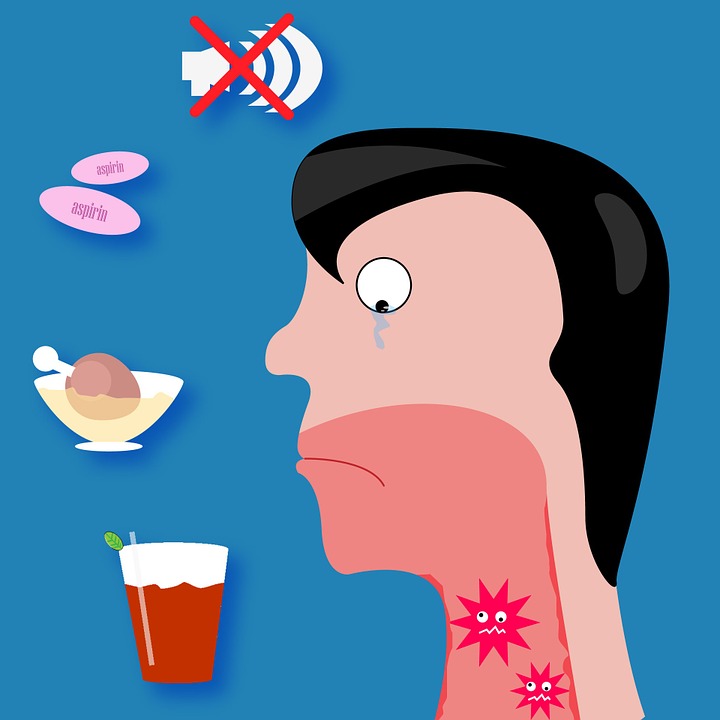
Strep throat usually presents with throat pain or pain on swallowing, fever higher than 38°C and feeling unwell with headache, nausea, vomiting or weakness. Inside the throat the tonsils may be red, swollen or have white pus on them. With the following three actions, everyone can help to reduce strep throat infections:
- Seek medical advice for a sore throat
- A child with strep throat should stay away from school to avoid spreading the infection to other children.
- Teach children good hygiene to prevent the spread of germs.
HAVE YOUR SAY
Like our Facebook page, follow us on Twitter and Instagram
For news straight to your phone, add us on WhatsApp 082 421 6033