New app will help fight borer threat
The polyphagous shot hole borer is difficult to control if experts don’t know where it is.
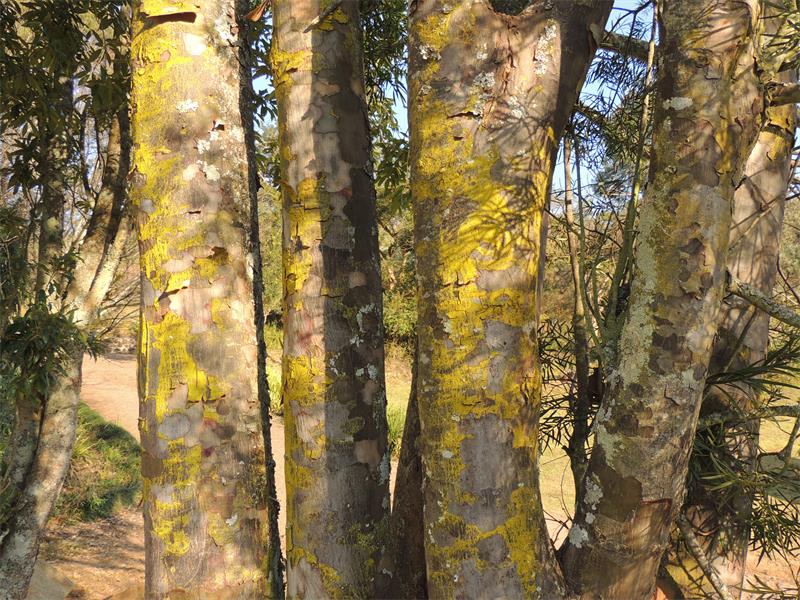
WITH ‘two pics and a click’, gardeners and nature lovers can help combat a serious threat facing the trees of South Africa.
Earlier this year, the South Coast Conservancies Forum sounded the warning about a foreign borer, the polyphagous shot hole borer (PSHB) that was killing our trees.
ALSO READ : Borer beetle could spell ecological disaster on the South Coast
This type of borer, a member of the weevil family, has a symbiotic relationship with ambrosia fungi. The beetles cultivate the fungi by placing them into the trees where they have bored, to feed the borer larvae. The fungus can colonise the tree, mechanically blocking its supply of water and food.
A number of South Africa’s indigenous trees have already fallen victim to the borer and commercial crops like avocado, macadamia nuts, olives, peaches and grapes are also at risk.
According to Hilton Fryer of Tree Survey, winter, with its bare trees, had provided a brief respite from the borer threat as the beetle had been dormant during the colder months.
However, a recent spell of warmer weather had triggered the first leaves and blossoms and trees, which meant that the beetle would soon be active again.
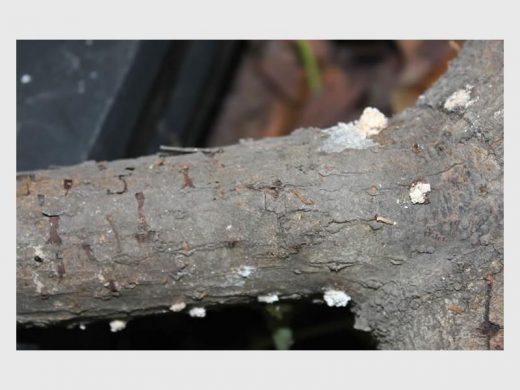
Recent tests had shown that a heavily infested tree could contain over 100 000 beetles so dead trees that served as breeding grounds for the borer needed to be disposed of responsibly. An aggressive public and private treatment programme needed to be started to control the pest, he said.
Environmentalists have listed warning signs that should alert to a possible infestation. People should look out for wet stains, ‘sugar volcanoes’ and gum exudation on the bark at borer entry holes. Other signs are stained wood, wilting branch die-back and the death of a tree.
“Treatment protocols have been developed and a new local chemical product is under development that we hope will help fight the beetle. However, the borer is very difficult to control if you don’t know where it is. This is how individuals, community organisations and city parks departments could help,” Mr Fryer said.
Tree Survey has developed a mobile app that allows PSHB infestations to be reported with ‘two pics and a click’.
Anyone who has downloaded the app can report a possible infestation by taking a close-up photograph of the beetle’s hole and a photo of the tree then sending it to Tree Survey with one click of a button.
“Reporting the infestation allows the spread of the PSHB to be measured and tracked. Local organisations are then automatically notified and appropriate measures can be taken. Let’s hope this app will have a big impact and will help save our forests,” said Mr Fryer.
He said Tree Survey also saw the need to make sure government was fully aware of the magnitude of the devastating invasion of this bug.
“We all need to come together and take action now.”
You can download the Android app from Google Play and the iPhone app from iTunes. To learn more about the borer go to www.PSHB.co.za
HAVE YOUR SAY
Like our Facebook page, follow us on Twitter and Instagram
For news straight to your phone, add us on WhatsApp 082 421 6033