Survey reveals South Africans are not protecting their income
In today’s economy, we should be aware of the risks, and do more to protect our income.
Less than 50 percent of the people surveyed by FMI (a division of Bidvest Life Limited) in their recent #RealityCheck consumer survey believe they will have a temporary injury in their working lifetime and do not have any form of Income Protection or Disability cover. The effects of not earning an income for 3 months would be devastating to most South Africans.
The survey found:
- Without an income, two-thirds of respondents said they would run out of money within 3 months;
- Almost 1 in 5 said their house and assets would be repossessed, while 1 in 7 would no longer be able to pay school fees;
- In the worst-case scenario 1 in 7 business-owners and self-employed respondents said they would lose their business without an income;
- In total, over a third (33%) of the respondents would experience catastrophic results such as losing their homes without an income for longer than 3 months.

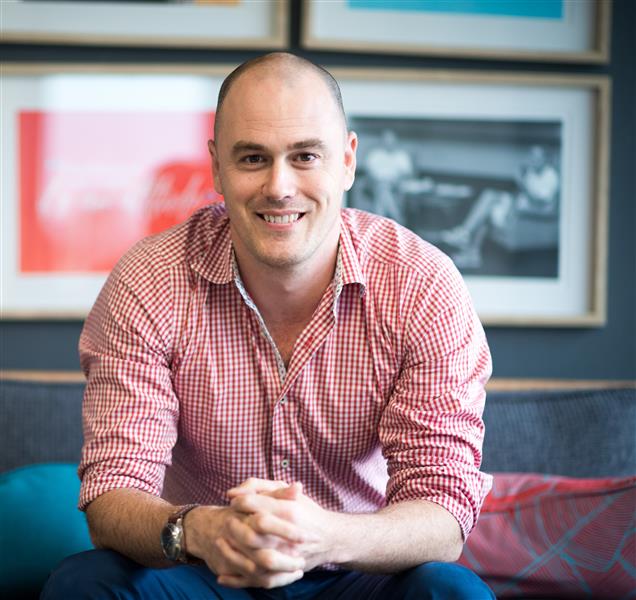
“South Africans grossly underestimate the risk of temporary illness or injury – and conversely, overestimate the risk of permanent disability, critical illness or death.” said FMI’s CEO Brad Toerien. “Half of the people we surveyed see life insurance as only ‘death cover’. The result is that people are twice as likely to buy Life cover over Disability cover, potentially leaving themselves without income insurance when an illness or injury strikes.”
YOU MAY WANT TO READ: My Money, My Business, My Life: Fixed spending: Company deductions
What this means is that many people are uninsured because they don’t see the need for life insurance, and many have Life cover, when what they actually need is Income Protection. Compounding the problem, is that the vast majority of Disability cover (77%)* currently sold in South Africa is Lump Sum cover, as opposed to Income benefits. However, given a choice, 61% of survey respondents would choose a monthly income pay-out over a once-off lump sum.
“The challenge with a lump sum pay-out is that it’s impossible to know how much cover you need when you buy your policy, and there are clear investment, longevity and inflationary risks,” explains Toerien. “While they’re great to settle debts or once-off expenses, we don’t believe they should be used to provide an ongoing monthly income. Income benefits are easier to understand and plan for because they mimic the income stream you are trying to replace.
ALSO SEE: 4 Tips to help single parents plan financially
“And, human nature being what it is, there’s a very real behavioural risk of receiving a lump sum. With monthly Income benefits that simply replace your salary, you won’t be tempted to spend it on expensive cars and luxury holidays, instead of looking after your family’s immediate and future needs.”

South Africans also underestimate how much their total future income is worth, the survey suggests. More than half (51%) of respondents estimated they would earn no more than R10-million during their lifetime. In reality, a 25-year-old earning R15 000 a month will earn around R28 million during their working lives (based on a 6% annual salary growth, assuming retirement at age 65).
The bottom line: your income enables your lifestyle and your future dreams, and is core to you and your family’s financial future. You can’t live without it. In today’s economy, we should be aware of the risks, and do more to protect our income.
*Source: FMI Disability Cover Study (2018)
HAVE YOUR SAY
Like our Facebook page, follow us on Twitter and Instagram
For news straight to your phone, add us on WhatsApp 082 421 6033