Paint the tree to save the bark
The practice of debarking trees for muthi poses a huge risk in terms of conservation.
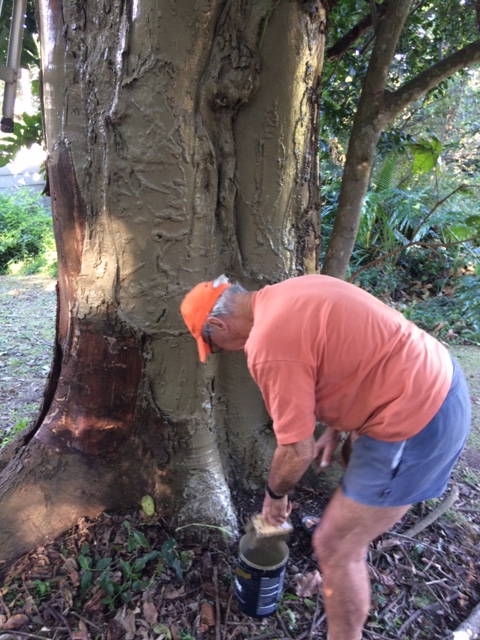
With regards to last week’s article entitled, ‘Greenies barking mad over muthi’, comment was received from Fred van Prooijen of Umdoni Retirement Village.
According to conservationist, Peter Vos, traditionally, it was either sangomas or inyangas who would provide muthi, but, with the ever-growing market, herbalists now also collect, stock and sell basic traditional treatments and tree bark is an ingredient in many types of muthi.
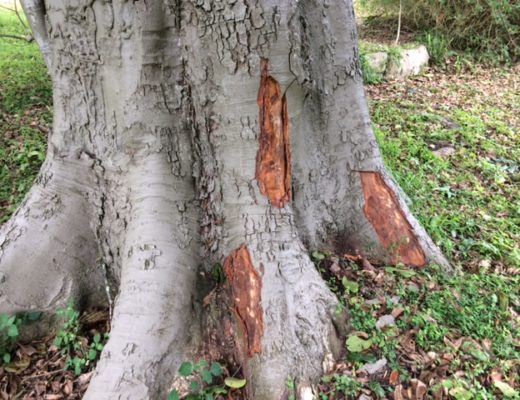
Mr van Prooijen said his daughter and her partner had been experiencing the same problem since they purchased a vacant plot in Pennington.
YOU MAY BE INTERESTED IN: Scottburgh trees debarked for muthi
“When we first noticed the removal of bark, about 1m x 300mm, Elsa Poole suggested we paint the tree so that the bark would be contaminated and unusable,” he explained. “This, however, didn’t stop the removal. When we checked at the end of August after a six-week absence, they had removed another piece, a little smaller this time. Checking again last week, we found some more bark had been removed, this time from the root system coming out of the ground.”
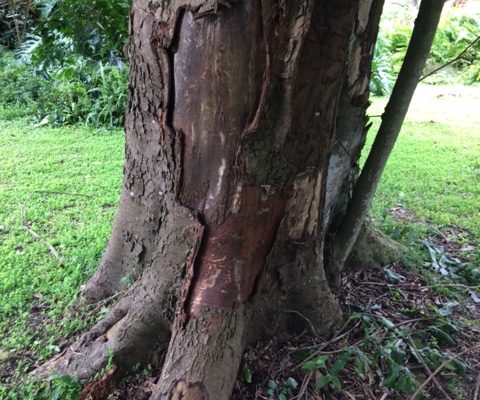
When Mr van Prooijen painted the tree originally, he noticed that the removal of bark must have been going on for some time, as the tree had already started to heal itself in certain places.
“A good defence is to paint the whole of the trunk to 2-3m off the ground with water-based PVA paint. It doesn’t harm the tree, but the bark is rendered worthless to the poachers and their clients,” said Mr Vos.
Should you know of any other solutions to this problem, do let us know, as the practice of debarking trees poses a huge risk in terms of conservation.
HAVE YOUR SAY
Like our Facebook page, follow us on Twitter and Instagram
For news straight to your phone, add us on WhatsApp 082 421 6033