Don’t let fraudsters steal your Christmas – top tips to avoid being scammed
Most scams fall into two categories: those that try to get your money directly such as the lucky windfall or appeal for help and those that attempt to get your personal or banking details.
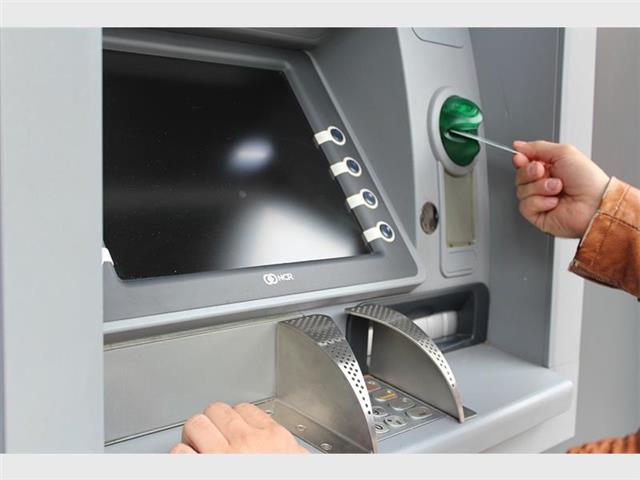
It’s the festive season and for most of us that means holidays, family, fun and, for some, the added joy of a Christmas bonus. For scammers it’s an opportunity to steal money from people while they’re relaxed and less vigilant.
According to Kalyani Pillay, CEO of the SA Banking and Risk Information Centre: “Criminals are masters of social engineering and know just how to exploit human vulnerabilities to perpetuate crimes, particularly over the festive season, when victims tend to let their guard down.”
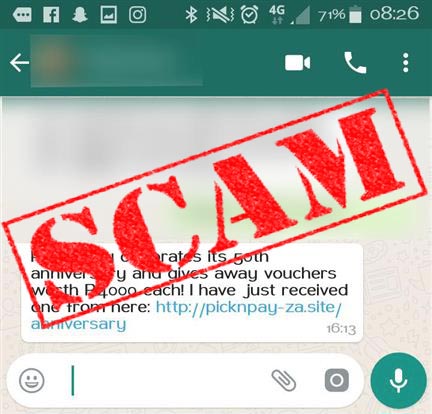
You may be told you’ve won a Christmas lottery because you bought something from a retailer or online shop or you’re entitled to a year-end lump sum payment from a financial services provider. All you need to do to receive the money is pay a deposit to cover administration or other costs. Often there’s a deadline to pressure you to respond quickly.
Other variations during the season of goodwill might include being asked to donate to charity or provide a loan to a friend or distant relative.
ALSO READ: Stay alert, stay safe over Christmas period
Alet Griesel, Chief Risk Officer at DirectAxis, says that most scams fall into two categories: those that try to get your money directly such as the lucky windfall or appeal for help and those that attempt to get your personal or banking details, so the criminals impersonate you or raid your bank account at their leisure.
“Technology such as the internet and cell phones have made banking, making payments, shopping and other financial transactions much easier, but have also provided more opportunities for criminals, both in terms of the scams they devise and the number of people they can reach,” she says.
So-called phishing scams typically use email, SMSs or social media to try and obtain your banking or personal information.
Common bank scams are when the fraudsters send a message that appears to come from your bank or other reputable organisation and ask you to respond or click on a link and provide details such as your pin code or other information to confirm a payment into your account.
Depending on the information they’re able to obtain criminals then either clean out your account or pretend to be you and apply for loans or open retail accounts.
Alet warns that if you’re complacent about being scammed or think you’re too clever or sophisticated to fall for a scam, you’re a good target for cybercriminals. You might spot 99.9% of the poorly executed scams, but only need to make one error of judgement.
“Everyone is at risk, from financially savvy company directors to tech-phobic pensioners. The fraudsters identify and exploit vulnerabilities. They may pretend to be a big, new client that could ensure the company meets its budget targets for the year or a helpful bank employee trying to facilitate a pension payment.”
Some scams are so sophisticated and the phoney emails or web pages so realistic that afterwards the victims are adamant that they never revealed any personal information.

“If you think criminals are hiding behind a well-known brand to try and defraud you, it’s important to report it, even if you have no intention of responding to the attempted fraud,” says Alet.
“Most financial services companies have fraud departments and will act immediately to shut down websites, bank accounts and other mechanisms used as part of the fraud. Reporting scams is the best way to fight back. Even if you have spotted the scam, reporting it may prevent others falling victim.”
Tips for avoiding common scams include:
- Be suspicious of news that you’ve suddenly won or been left a large amount of money, especially if you haven’t entered a lottery or competition or don’t know the person who’s giving you the money. If it seems too good to be true, it is.
- Don’t provide your banking or card information to anyone. Your bank will never contact you requesting your pin number or a one-time password.
- Don’t give personal or financial information to anyone who contacts you and who you don’t know. Sometimes scammers pretend to be from government agencies asking you to update personal information.
- Don’t click on hyperlinks in an email, particularly one from an unknown sender. If you want to transact online type the bank or company name into your browser.
- Only shop online on reputable websites.
- Don’t download software from pop-up windows.
- Install anti-virus software and update it regularly.
- Frequently check your credit rating. A sudden decline in your rating could indicate someone is using your profile fraudulently.
Article provided by Meropa
HAVE YOUR SAY
Like our Facebook page, follow us on Twitter and Instagram
For news straight to your phone, add us on WhatsApp 082 421 6033