Call for closer collaboration between macadamia industry and government
A large part of South Africa’s focus being on the Chinese market (estimate is that roughly half our crop lands there).
South Africa’s macadamia industry is, together with Australia, the most sophisticated in the world.
It is also the largest producer globally.
YOU MAY BE INTERESTED IN: South Africa regains crown as world’s largest producer of macadamia nuts
This competitive advantage could be under threat due to lack of collaboration with government to ensure ongoing and new market access.
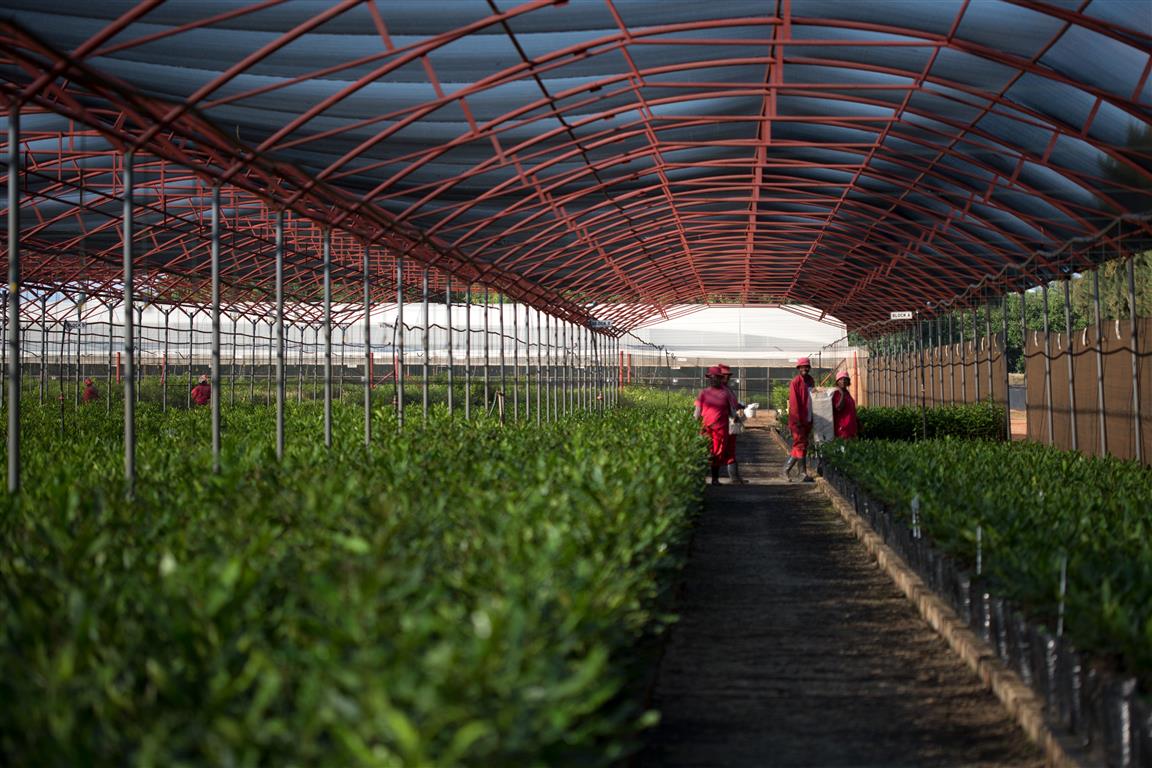
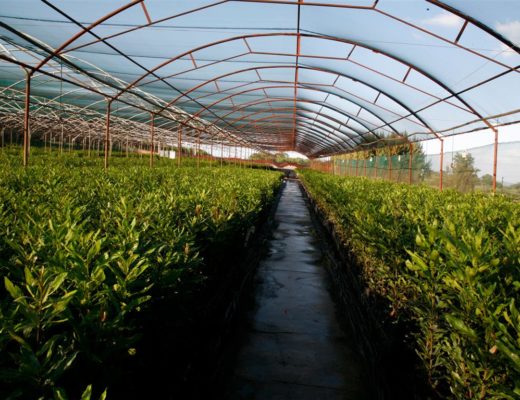
“For the long term, as an industry we are not leveraging our reputation and premium supplier status in the global macadamia market as strategically as possible. In recent years we have ridden a wave of insatiable demand. Global macadamia supply continues to increase rapidly and opportunity for growth in this industry still remains favourable. However the type of demand will mature into new markets and more enlightened consumer needs. We are unfortunately not thinking with a mindset for where growth potential lies to meet this new demand. Our biggest future challenge is market access,” says Mark Hassenkamp, director, Red Sun Hortitech. One of only five industry body, SAMAC, accredited macadamia nurseries.
Proactive industry body and government collaboration is integral to ensure the standard is set for our industry’s future. Together with leading quality assurance and compliance standards, Australia leads the way in its beneficial bilateral trade and import tariff agreements with key territories around the world. We need to follow suit to remain in top spot too. The last few years has been profitable for all involved in the macadamia industry.
A large part of South Africa’s focus being on the Chinese market (estimate is that roughly half our crop lands there).
With China’s projected growth in their domestic crop, alongside a doubling of global supply in the next ten years, market access is more important than ever.
“We’re driving into a surprisingly strong and growing trend of plant based eating. Society is adjusting to sustainability, affordability and health awareness: and it’s here to stay. With an ongoing advancement in food demand, our future opportunities exist with informed, educated buyers, retailers and consumers, who have discretionary spending capability. To protect and grow our industry we have to behave as a premium producer. This includes meeting food safety, quality assurance, sustainability and traceability standards through the value chain: from propagation of plants through to export of nut,” continues Hassenkamp.
Red Sun Hortitech undergoes it’s annual GlobalGap accreditation in March.
This standard is measured against a number of criteria including responsible chemical use, inclusive labour standards and sustainable practices to be competitive and improve quality. The nursery focuses on promoting cohesion in the workplace with staff equity shareholding program. It also runs rural community development initiatives and youth skills development and training activities.
The business started out, five years ago, with the future in mind: by planning and implementing best practices to meet future standards of sustainability, inclusiveness, integration, transformation. Their management and audit process promote the 17 UN sustainability goals. For example, using fractal technology they innovate to achieve better water utilisation. Additionally focus is dedicated to using affordable, clean energy and establish new infrastructure. This, together with improved genetics and microbiology, propagates quality, high performance trees in the field.
This level of differentiation – including productivity, traceability, consistency and reliability at each stage of the macadamia value chain in South Africa is imperative. Any future risk of a customer product recall is devastating: a reliable, safe nut source in a competitive market everything. Implicit in not getting it right is that the reputation of South Africa’s macadamias could fall foul into those of less developed markets that offer poorer quality product at present.
“Discussion around food consumption trends alongside continued population growth remains at the forefront. The macadamia market’s customers are going to ask more and more questions around where their food comes from. They are strong lobbyists, and also our greatest critics. Being prepared, in the face of exponential growth in crop supply, means thinking about how the landscape looks in years to come. To achieve this we need to collaborate as an industry together with government,” concludes Hassenkamp.
HAVE YOUR SAY
Like our Facebook page, follow us on Twitter and Instagram