The growing problem of childhood and teenage obesity #GoodtoKnow
The World Health Organisation reports that the fastest growth of obesity is in the African region, where childhood obesity has more than doubled from 1990 to 2013.

According to the Heart and Stroke Foundation, over 14 percent of primary school children in South Africa are overweight.
If these obesity rates continue, it is predicted that by 2025, 3.91 million school children will be overweight or obese.`
YOU MAY BE INTERESTED IN: Overweight? 10 tips to beat obesity once and for all
Childhood and teenage obesity is a growing problem, both in South Africa and globally. In fact, global estimates predict that by 2025 there will be 70 million obese young children around the world.
Children can be particularly vulnerable to this environment of obesity. Children of overweight parents as well as children subjected to malnutrition during pregnancy or infancy are both groups which are more likely to become obese later in life.
Furthermore, energy dense foods, increasing screen time and sedentary behaviour, are also putting more children at risk.
The World Health Organisation (WHO) reports that the fastest growth of obesity is in the African region, where childhood overweight and obesity has more than doubled from 1990 to 2013.
A major concern is that obese children are more likely to develop a variety of health problems as adults, including cardiovascular disease, insulin resistance (often an early sign of diabetes), musculoskeletal disorders (especially osteoarthritis – a highly disabling degenerative disease of the joints), some cancers (endometrial, breast and colon) and even disability.
Research has shown that overweight and obese children suffer from negative body image and low self-esteem and self-worth.
In fact, from a psychological standpoint, obesity is described as one of the most stigmatising conditions in childhood.
Childhood obesity is one of the most serious public health challenges of the 21st century. Parents have a vital role to play in setting the right example for their children. By enforcing a healthier lifestyle at home, many obesity problems could be avoided.
Vitally, what children learn at home about eating healthy, exercising and making the correct nutritional choices will have an enormous impact on their lives, including the choices children make selecting food and choosing to be more active.
Dr Rosetta Guidozzi, a general practitioner from Johannesburg with a special interest in weight management agrees, and says that the best advice to start off with is to consider the lifestyle and eating habits of the parents. She says its pointless offering teenagers and children advice if the parents are not adhering to a healthy lifestyle.
She also says that parents need to monitor any monies being given to their teenagers and how this is spent, to monitor their eating patterns at home and provide guidance about eating outside their immediate home. She also says that parents need to be interested in their children’s health and provide the correct support. “The most important factor to stress is the teenager’s health and consequences of obesity with lack of exercise on their future wellness,” she says.
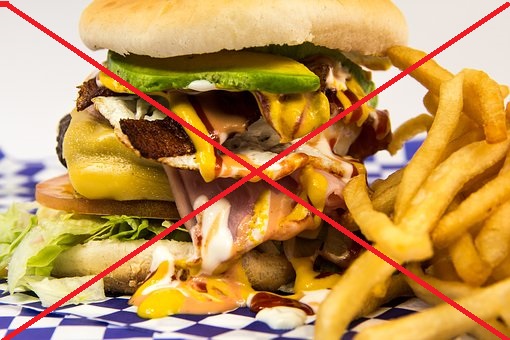
Furthermore, there are certain changes that really could make a great difference. Sugary drinks, for example, have continually found to be a contributing factor to being overweight. Snack foods, such as chips, baked goods and sweets have also been found to have a major impact on obesity, as have portion size and activity levels.
In South Africa, young girls are most at risk of becoming overweight and obese, with statistics showing that 30 percent of girls living in urban areas are overweight or obese. Physical appearance is a particularly sensitive issue for children entering adolescence. Being overweight or obese is also one of the most common reasons that children and adolescents are teased at school.
Dr Kelly Owen, a psychologist from Greenside Johannesburg, says that it is vital to create a positive family culture of health and wellbeing in the home, both from a physical and an emotional standpoint.
“Parents need to be highly cognisant of their own attitudes, behaviours and biases towards weight, body image and food because their children will learn directly and vicariously how to feel about their own bodies.
Self-esteem, body image and self-confidence are all influenced by the child’s environment. Body image studies in children consistently show that sociocultural factors such as child rearing practises, parenting styles, societal standards of beauty, the mass media, and cash in trends are all impacting on girls to the extent that body dissatisfaction has become normative in females of all ages,” she says.
Dr Owen also stresses the importance of parents teaching good eating habits and the need to focus on health instead of body weight, shape or size and the same applies to exercise – functional strength and health instead of exercise for weight loss, is a must.
In terms of medical treatment for obesity in children, particularly those over the age of 12, this can be helpful in cases where lifestyle changes and increased physical activity have not been adequate and especially where there is a strong family history of type 2 diabetes or increased risk of cardiovascular problems.
Medications approved for the treatment of obesity, when used in combination with lifestyle adjustments, have been proven to assist in weight loss.
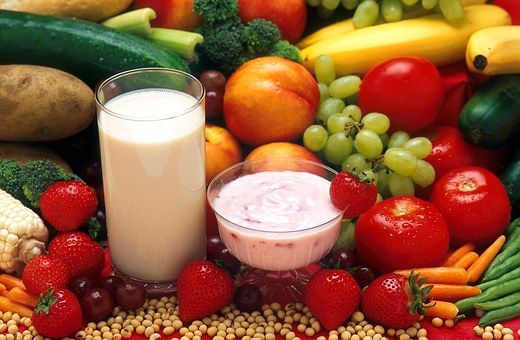
Dr Guidozzi says that medically approved medication must only be considered in obese teenagers and must be monitored very carefully by a healthcare provider. “The idea is not to teach the teenager to diet but rather to adopt a healthy long term eating pattern and lifestyle. This eating pattern and choice of foods must be suitable towards their plans for the days, culture, affordability and education. It is important that they realize that they are the decision makers and must remain autonomous. It must not be a battle of wills and dominance- this will lead to an eating disorder,” she says.
“Ultimately the eating plan should suit each particular individual and be able to suit the household as well”.
Prescription medication, which can be used by adults and children over the age of 12 can help people who are struggling to lose weight.
Dr Owen says that good habits from early on can make a huge difference. She says one example is to teach your children to drink water from infancy. Good habits formed in early childhood will help your children to not reach as readily for a fruit juice or cold drink.
Dr Guidozzi agrees with the statistics that the number of obese teenagers has increased in South Africa, especially amongst females, and that there are a number of reasons for this.
She sites rapid urbanization with the introduction of high fat and sugar foods (fast foods), sweetened beverages, lack of exercise and sport facilities, insufficient information and awareness, less available income to purchase healthier foods, not enough access to healthier foods, longer hours of parental work with less supervision and provision of healthier foods.
Unfortunately, as she says, high fat and sugar rich foods taste better than a salad!
SUBMITTED BY LEIGH CALLIPOLITIS