Rabies report – know the facts about this deadly disease
There has been one confirmed case in the Ugu District.
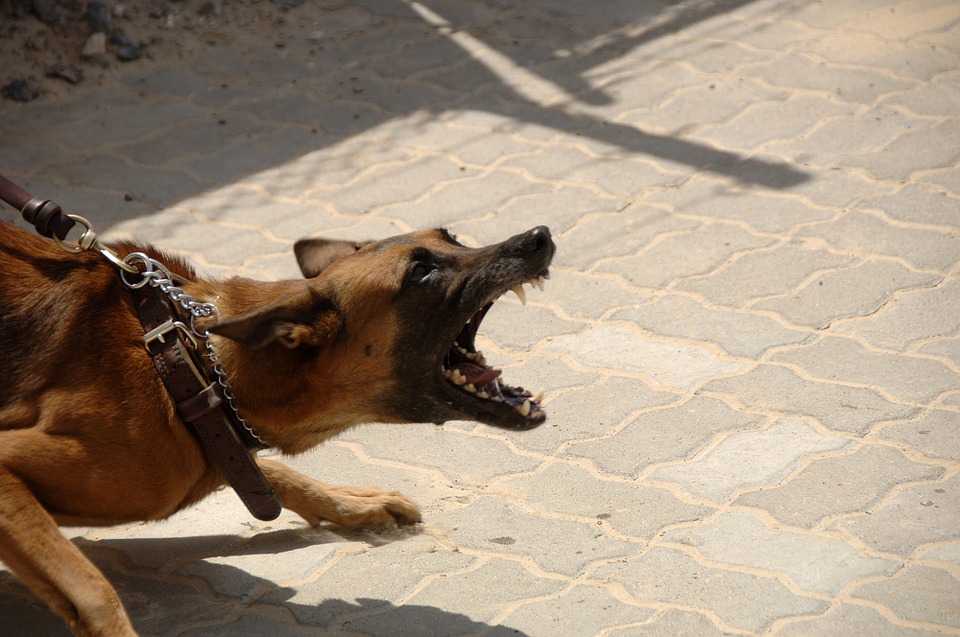
Rabies report week August 31 to September 6:
KwaZulu Natal:
1. Dog, Stanger, Illembe
2. Goat, Nongoma, Zululand
3. Dog, KwaMadlala, Ugu
4. Dog, Amanzimtoti, Ethekwini Metro
5. Dog, Fawn Lees, Umgundlovu
6. Dog, Kokstad, Harry Gwala
7. Dog, Pietermaritzburg, Umsunduzi, Umgungundlovu
8. Dog, Chatsworth, Ethekwini Metro
Eastern Cape:
1. Dog, Langeni, OR Tambo District
2. Dog, Butterworth, Amathole District
3. Caracal, Buffalo City Metro
(Taken from Rabies Awareness Body in Eshowe Facebook page)
This is not pretty. What are YOU doing to help with the fight against rabies?
ALSO READ: Concerns raised over spread of rabies
Rabies can be prevented in humans if the correct preventative treatment is administered following exposure to a rabid animal.
However, people who have been infected with the disease and develop symptoms rarely survive as there is no effective treatment for rabies. Sadly, many of these fatalities are young children. Symptoms could appear a few weeks to years after being exposed to the disease. People with rabies could experience a number of signs including headache, fever, muscle weakness, difficulty swallowing, anxiety, fear of water, paralysis and seizures.
Should a person be bitten or scratched by an animal they believe to be rabid, they should immediately wash the wound, for at least 15 minutes, with water and soap.
It is important for anyone bitten or scratched, even in the case of minor injuries, to seek urgent medical attention. This includes, as a precaution, adults who received the rabies vaccination when they were young.
Treatment of bites depends on the severity of the injury as well as whether the dog was a stray or a pet that was or was not immunised. The patient will be treated based on the assumption that the dog was not immunised if the dog’s status is unknown or if proof of immunisation cannot be provided.
Preventative treatment following possible exposure to rabies is as follows:
- Minor scratches or abrasions on the surface of the skin – If the dog is immunised, the patient is given a tetanus vaccination and the wound is cleaned and dressed with dry dressings such as simple bandages or gauze. If the dog’s status is unknown or if it was not immunised, a tetanus and anti-rabies vaccine is administered.
- Deeper scratches, wounds or puncture wounds – The wound should be washed with tap water and dressed with dry dressing. The patient will be given a tetanus vaccine and in cases where the dog was not immunised or where it is unknown, rabies immunoglobulin will be administered along with the anti-rabies vaccine.
To reduce the chances of your dog being infected with rabies, ensure that they are vaccinated against the disease. This is a legal obligation on pet owners. If you see your dog behaving strangely or aggressively even though it is not being provoked, seek the help of professionals.
Avoid stray animals.
ISSUED BY Chitra Bodasing Harduth – ER24 Spokesman
HAVE YOUR SAY
Like the South Coast Herald’s Facebook page, follow us on Twitter and Instagram
To receive our FREE email newsletter, click HERE