Pondoland Mining: More than just land (PART 3)
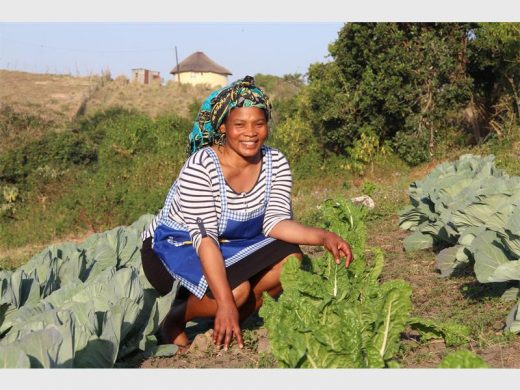
The Sigidi community, which lives between the Mzamba and Mphahlane rivers, relies on the land to grow and harvest their sweet potatoes and amadumbe (yams).
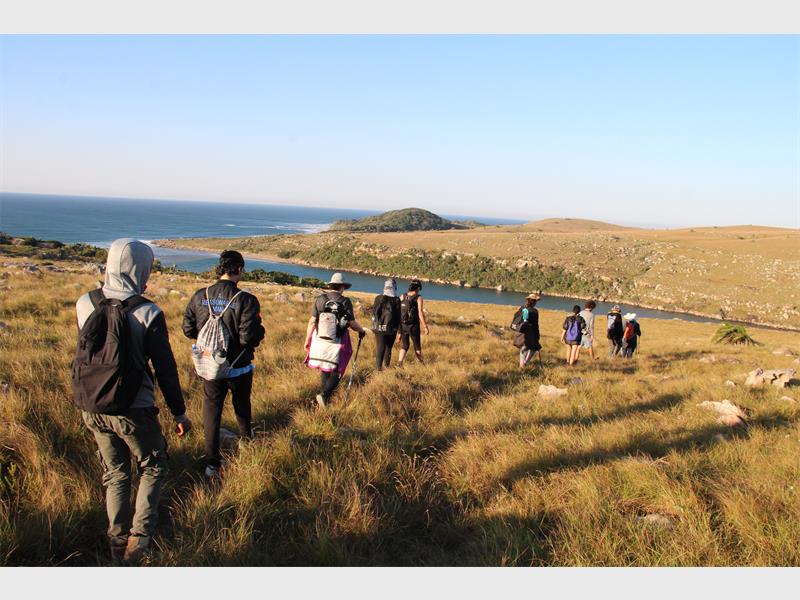
Loyalty to the land runs deep for the people of Pondoland, says Sinegugu Zukulu, an anti-mining activist and award-winning conservationist.
“When a person is born in this land, his or her umbilical cord is buried in the ground. They grow up using medicine from the land and produce food on the land. They keep livestock which graze on the land. When they die, they are buried in the land, so people live in the land not on the land,” he says.
ALSO READ : Pondoland mining: Beauty, blood and uncertainty (PART 1)
“The land is central to life, culture and being. The land is what weaves everything together, so everything traces back to the land.”
The Sigidi community, which lives between the Mzamba and Mphahlane rivers, relies on the land to grow and harvest their sweet potatoes and amadumbe (yams).
Sweet potatoes to the value of about R90 000 are sent upcountry three times a week.
They have gone as far as to fence off vast tracts of land for grazing in order to keep livestock away from their crops which shows, they say, that all the land being targeted for mining is land which people are using daily.
Sinegugu understands how destructive the effects of mining can be and the toll it will take.
He plays an instrumental part in the Yes4Youth programme, training locals to become self-sufficient through the land in a sustainable manner.
“Mining, eco-tourism and agriculture can’t co-exist, as Minister of Mineral Resources, Gwede Mantashe said they could when he visited the community in January this year.”
Sinegugu adds, however, that he is not completely against mining.
“I understand mining built South Africa, but I am against mining in biodiversity hotpots where people are able to live life and produce most of what they need.
“Xolobeni land is prime land for ecotourism development. It is senseless to think that we should mine every piece of this country.”
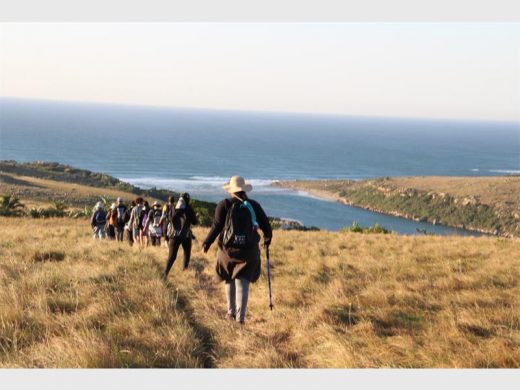
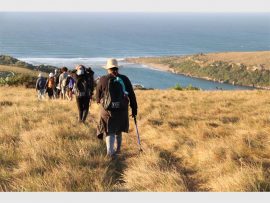
Although the proposed mining stops at Mtentu, Sinegugu says the north-easterly winds are notoriously strong in this particular area and would blow the dust from the mine into the Mkambati Nature Reserve.
The reserve is just one of many beautiful areas that could be affected if the mining comes into play.
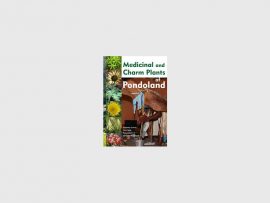
The book, Medicinal and Charm Plants of Pondoland, compiled by Sinegugu, Tony Dold, Tony Abbott and Domitilla Rainmondo explains how the Pondoland Centre of Plant Endemism (stretching from Hibberdene to Port St Johns) has a very large number of plant species that are not found anywhere else in the world.
“It is estimated that Pondoland Centre has as many as 180 endemic plant species, with some of these being medicinal plants used by the amaMpondo living there.”
Besides the coastline’s flora and fauna being annihilated, the concern is also that unique patches of Red Desert are heritage sites, holding evidence of fossils, stone age tools and clay pots dating back millions of years, would be destroyed.
Ncumisa Sonakepu (38) runs a well-established homestay for tourists in the village of Noqhekwana, near to Port St Johns.
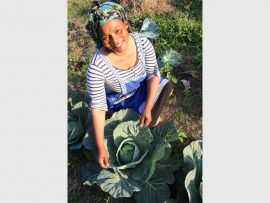
She lives happily with her two children, aged 21 and 18, and has a large vegetable garden and orchard.
“The land is important to me as I depend on it to sustain myself. I can get fresh vegetables from the ground, seafood from the ocean and my water from a nearby river. The money I make is from the guests, and I then use this to buy more seeds for my vegetable garden,” she says.
WHAT THE YOUTH SAY
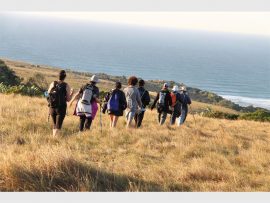
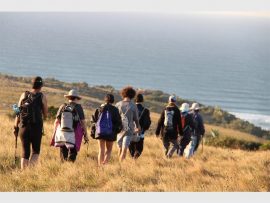
Nokuphila Manci and Sbusiso Hlongwe of the Yes4Youth programme are striving to take care of the land.
Nokuphila says they are nurturing the environment, and protecting the biodiversity of plants and animals.
They farm without using chemicals, keep the area tidy, and promote eco-tourism.
Trying to bring back many of the traditional values that have been lost is also a key focus.
Sbusiso says that although there are those who want to mine the land, they will fight to protect it.
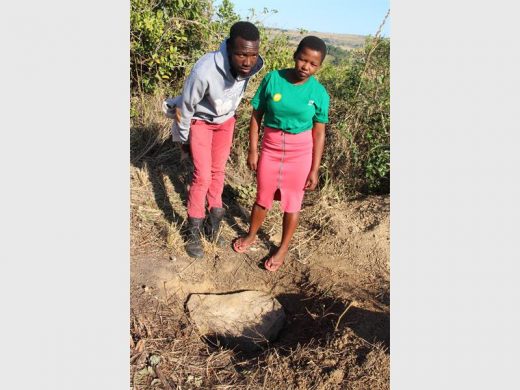
“When they look at the land, they think we are not using it. We want to show them we are using the land by farming – planting and growing crops,” he says.
“Our land is beautiful and we want to keep it beautiful. We don’t want to lose it.”
HAVE YOUR SAY
Like the South Coast Herald’s Facebook page, follow us on Twitter and Instagram
To receive our FREE email newsletter, click HERE