Red flags of abuse – signs to look out for
Awareness of these red flags, conscious observance of worrying behaviours and early extrication can prevent years of pain and trauma.
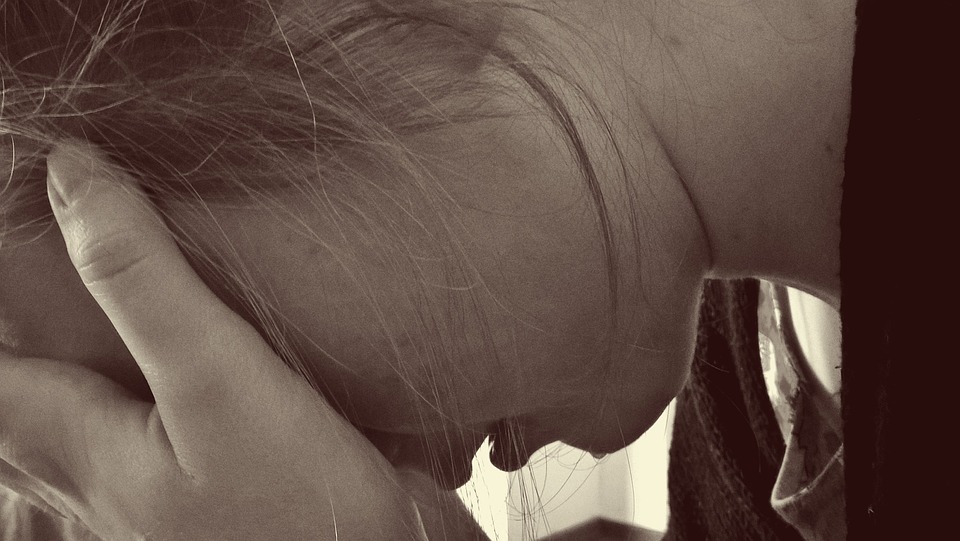
Extricating oneself from an abusive relationship can be exacting, harrowing or even dangerous. So how do so many people get themselves into these relationships in the first place? Can’t they read the writing on the wall?
ALSO READ: Is domestic violence always violent?
“No, they can’t see the signs. Literally,” says Yvonne Wakefield of The Warrior Project, an online portal of information and resources for victims of domestic abuse.
“At the beginning of a relationship, our neurochemistry is altered by hormones that make it very difficult for us to see the signs.”
“That, together with the fact that many of the signs are hidden by manipulation, means that victims are usually in very deep – often after marriage and/or children – before they start to realise that their situation is unhealthy,” she says.
But research shows that there are often one or a few red flags, visible from early on, that can indicate controlling or abusive tendencies which will only properly surface later. These include:
- Very quick progression of a new relationship
- Jealousy (wants you all to himself)
- Hypersensitivity
- Blaming of others (sees himself as a victim)
- Resentfulness
- Entitlement (deserving of special treatment)
- Controlling, often disguised as concern for your safety
- Attempts to restrict the exercise of very ordinary adult rights or freedoms
- Belief of superiority over others
- Deception and lying, often innocuously
- Disrespect of boundaries
- Isolating from family and friends
- Cruelty or disrespect to other people or animals
- Accusing of others being unfaithful
- A history of abuse (which is denied)
- Use of force during arguments
- Use of manipulation, often suggesting that our memory of an event is incorrect
- Disregard for boundaries around sex
- Sabotaging of efforts to use birth control
“Many of these traits are flattering when they first happen, like when someone is jealous or possessive, is upset when you don’t immediately answer calls or messages, or wants to move in together quickly. Many controlling bahaviours are masked as being for our own sake or our safety, but the result can be that they restrict our freedom and isolate us from family and friends,” says Wakefield.
Awareness of these red flags, conscious observance of worrying behaviours and early extrication can prevent years of pain and trauma.
For more information, visit www.thewarriorproject.org.za @thewarriorprojectsa #WarriorsStandUp
HAVE YOUR SAY
Like the South Coast Herald’s Facebook page, follow us on Twitter and Instagram
To receive our FREE email newsletter, click HERE