Study finds waist size more telling that BMI
A patient is defined as overweight if they have a BMI between 25.0 and 29.9 and are obese if their BMI is 30.0 and over.
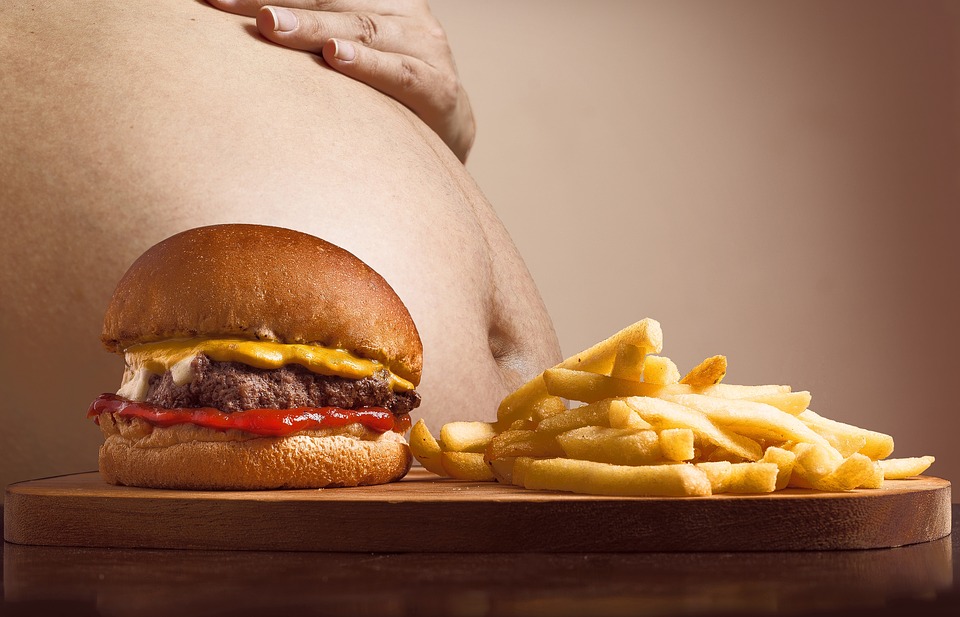
A new study has found that waist size is more accurate at assessing whether you are at risk for an array of health problems than body mass index (BMI).
ALSO READ: Overweight? 10 tips to beat obesity once and for all
The study, by the University of Iowa, published in July in the Journal of the American Medical Association Network Open, a monthly medical journal published by the American Medical Association, found that women who are considered to be of normal weight as measured by their BMI could actually be at a high risk of many health problems or even death because of their waist size.
BMI is defined as a person’s weight in kilograms divided by the square of the person’s height in metres (kg/m2). According to most criteria accepted around the world, a normal weight is defined as a BMI of 18.5 – 24.9.
A patient is defined as overweight if they have a BMI between 25.0 and 29.9 and are obese if their BMI is 30.0 and over.
BMI has been used for over 100 years to help health professionals decide whether a patient is overweight or underweight. Many healthcare practitioners rely solely on BMI to determine obesity-related health risks in their patients, but some of the problems with this include that BMI does not distinguish between muscle and fat, and it does not measure overall fat or lean tissue (muscle) content.
This study has highlighted the biggest concern with using BMI: People who think that they are healthy, because their BMI falls within a “normal” range, could actually fall into a high-risk group because of other risk factors such as percentage of body fat percentage and central obesity.
Central obesity has been linked to an array of health problems and is measured by waist circumference.
Waist measurement is a simple check to tell if you are carrying excess body fat around your middle, and can be an indicator of the level of internal fat deposits around the heart, kidneys, liver, digestive organs and pancreas. This can increase the risk of heart disease, stroke, type 2 diabetes and cancer.
The bottom line is that you can have a healthy BMI and still have excess tummy fat, meaning that you are still at risk of developing some of these diseases.
How do you measure your waist?
- When taking measurements, pull the tape measure so that it sits on the surface of the skin, but does not compress the skin.
- Find the top of your hip bone and bottom of your ribs.
- Breathe out normally.
- Place the tape measure between these points, and wrap it around your waist to get an accurate measurement.
- In most people, your natural waist should be the narrowest part of your torso.
According to the World Health Organization and National Health and Medical Research Council recommendations, men are at risk if their waist measurement is over 94cm. In women, the waist measurement should not be over 80cm3.
Those at a very high risk include men with a waist circumference of over 102cm and women with a waist circumference of more than 88 cm.
In the study of over 156 000 post-menopausal women, those women with normal weight and central obesity had a similar risk of obesity related disease compared to women with a BMI over 30, or obese.
Regardless of your height or BMI, you should try to lose weight if your waist measurements are putting your health at risk. Maintaining a healthy weight is one of the best investments you can make for your health.
If you are trying to lose weight, it can be as basic as eating less and being more active. Speak to your doctor about weight loss management options that might be best for you, particularly if you fall within the very high risk group.
DISCLAIMER: This editorial has been commissioned and brought to you by iNova Pharmaceuticals. This editorial has content that includes independent comments and opinions from independent healthcare providers and are the opinions and experiences of that particular healthcare provider which are not necessarily that of iNova Pharmaceuticals.
Content in this editorial is for general information only and is not intended to provide medical or other professional advice. For more information on your medical condition and treatment options, speak to your healthcare professional.
- The University of Iowa College of Public Health. Study finds waist size a forgotten factor in defining obesity [Online 2019] [Cited 12 August 2019]. Available at URL: https://www.public-health.uiowa.edu/news-items/study-finds-waist-size-a-forgotten-factor-in-defining-obesity/
- Medical News Today. How useful is body mass index (BMI)? [Online 2017] [Cited 12 August 2019]. Available at URL: https://www.medicalnewstoday.com/articles/255712.php
- Heart Foundation. Waist Measurement [Online 2019] [Cited 12 August 2019]. Available at URL: https://www.heartfoundation.org.au/your-heart/know-your-risks/healthy-weight/waist-measurement
- NHS. Why is my waist size important [Online 2016] [Cited 12 August 2019]. Available at URL: https://www.nhs.uk/common-health-questions/lifestyle/why-is-my-waist-size-important/
- Very Well Fit. How to Properly Take Body Measurements During Weight Loss [Online 2019] [Cited 12 August 2019]. Available at URL: https://www.verywellfit.com/how-to-take-your-body-measurements-1231126
- Sun Y, Liu B, Snetselaar LG, et al. Association of Normal-Weight Central Obesity With All-Cause and Cause-Specific Mortality Among Postmenopausal Women. JAMA Network Open. 2019;2(7):e197337. doi:10.1001/jamanetworkopen.2019.7337.
HAVE YOUR SAY
Like the South Coast Herald’s Facebook page, follow us on Twitter and Instagram
To receive our FREE email newsletter, click HERE