Breast cancer: are you at risk?
Every woman is potentially at risk of getting breast cancer. However, there are certain factors that would put women in a higher risk category.
Breast cancer constitutes around 25 percent of all cancers in women and will affect one in 28 South Africans in their lifetimes. In urban communities the incidence is as high as one in eight.
“As frightening as a cancer diagnosis is, the good news is that modern medical advances and early screening and diagnosis result in more women surviving and beating cancer with less aggressive and invasive treatment. The need for early and accurate detection simply cannot be over emphasised,” says Dr Jackie Smilg, chairman of the Radiological Society’s sub-specialty group, the Breast Imaging Society of South Africa (BISSA).
ALSO READ: 10 facts about breast cancer that could save your life
The goal of screening tests for breast cancer is to find the disease before it causes symptoms. Breast cancers found during screening exams are more likely to be smaller and still confined to the breast.
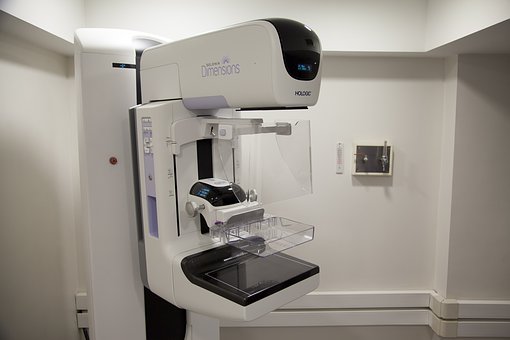
Regular mammograms can often help find breast cancer at an early stage, when treatment is most likely to be successful. A mammogram can find breast changes years before physical symptoms develop.
“Several relatively new breast imaging technologies have brought a new dimension to the fight against breast cancer,” explains Dr Smilg.
In women with a significant family history of breast cancer or special circumstances, mammography can also be followed by ultrasound in both screening and symptomatic examinations and breast MRI.
BISSA continues to recommend that women get yearly mammograms starting at age 40. Early breast cancer detection reduces deaths, extends life expectancy, and improves life quality. Early breast cancer detection through mammography also enables less extensive surgery, fewer mastectomies, and less frequent or aggressive chemotherapy.
“The short-term anxiety that could come from an inconclusive test result simply doesn’t outweigh the many lives saved each year by mammography screening. It makes absolute sense to opt for the most effective, decisive and conclusive screening technology, which remains the mammogram,” adds Dr Smilg.
Women should regularly check their breasts for any irregularities and have a clinical breast examination by a GP or gynaecologist at least once a year. Any abnormality, regardless of age or family history, warrants an immediate medical consultation with a healthcare professional. Many lumps may turn out to be harmless, but it is essential that all of them are checked.
Every woman is potentially at risk of getting breast cancer. However, there are certain factors that would put women in a higher risk category. The risk factors include:
* The risk of developing breast cancer increases as one gets older, however one out of eight invasive breast cancers are found in women younger than 45.
* Breast cancer risk is higher among women whose close blood relatives have this disease.
* A woman with cancer in one breast has a 3-4 times increased risk of developing a new cancer in the other breast or in another part of the same breast.
* Women with dense breast tissue (as identified on a mammogram) have more glandular tissue and less fatty tissue, and have a higher risk of breast cancer.
* Research has shown that being overweight or obese increases the risk of breast and other cancers. Healthy eating and weight management is very important.
* Excessive alcohol use, little to no physical activity, smoking and diets high in saturated fats increase the risk of breast cancer.
* Radiation to the chest to treat another cancer (not breast cancer), such as Hodgkin’s disease or non-Hodgkin’s lymphoma, results in a higher-than-average risk of breast cancer.
* White women are slightly more likely to develop breast cancer than African American, Hispanic and Asian women.
* Women who haven’t had a full-term pregnancy or have their first child after age 30 have a higher risk of breast cancer compared to women who gave birth before age 30. Breastfeeding can lower breast cancer risk, especially if a woman breastfeeds for longer than 1 year. Women who started menstruating (having periods) younger than age 12 have a higher risk of breast cancer later in life. The same is true for women who go through menopause when they’re older than 55. Current or recent past users of HRT have a higher risk of being diagnosed with breast cancer.
HAVE YOUR SAY
Like the South Coast Herald’s Facebook page, follow us on Twitter and Instagram