You and Your Dog: Coronavirus – what you need to know
There is a canine coronavirus but it is an intestinal disease, and there is a vaccination for it, it is NOT COVID-19.
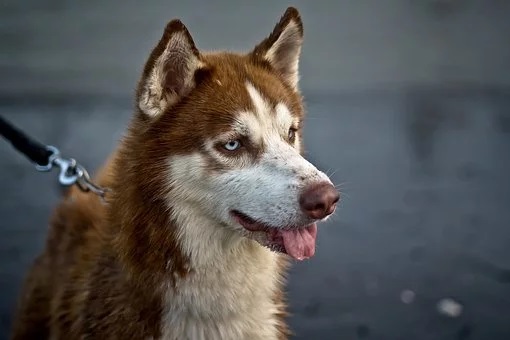
This week I thought some information regarding your pets and COVID-19, declared a pandemic by the World Health Organisation on March 11, might be useful. The virus is a respiratory illness, which originated in China.
But where does this leave you and your dog?
Presently, there is no scientific evidence that dogs or cats are at risk of contracting this particular strain of coronavirus. The results of tests carried out on one dog in Hong Kong were found to have a “very weak positive result” when tested in early March. After these results were made known, pet owners became very worried that they might infect their dogs, and visa versa. However, the American Veterinary Medical Association has reported that there is no need to worry about your pets becoming infected with COVID-19 (Ref: Alex Oldenburg – CPDT-KA and soon to be MPH)
There is a canine coronavirus but it is an intestinal disease, and there is a vaccination for it, it is NOT COVID-19.
Although there is no definitive evidence that dogs that have been in contact with someone who is infected with COVID-19 will become infected – advice here would be for someone infected with COVID-19 to limit contact with all animals until more is known about the actual spread of the virus. Scientists are working around the clock to provide the World Health Organisation with up to date information. COVID-19 is a new strain of the coronavirus, which has been around for a long time.
Let us take a quick look at Canine Parvovirus Infection (CPV-1) this was discovered in 1967, it caused a mild diarrhoea in dogs, and a vaccine was developed. However, a completely new species of the genus Parvoviridae, later known as CPV-2 was recognised in 1978. It caused extremely severe diarrhoea, resembling panleukopenia in cats. This virus was so severe that many dogs died as the vaccination for CPV-1 was proving ineffective.
I had the personal heartbreak of losing one of our bulldog puppies which had been vaccinated against CPV-1. This was a healthy puppy which was admitted to the veterinary hospital even before severe symptoms were observed. Veterinary scientists began working on a new vaccine to combat CPV-2 and now our dogs have a yearly booster which keeps them safe from CPV-2. (Ref: https://www.sciencedirect.com>topics)
Although many people do not believe in vaccines, I on the other hand believe they do have their place in the caring of our dogs/cats.
Some tips for pet owners:
Stock up on extra dog food, if your dog is on any type of special medication see if your vet can supply you with enough in case you have to self- isolate. If your pets are due for annual vaccinations do not wait – get them vaccinated now as if you delay, the delivery of supplies to the vets might be disrupted.
Closing note – Please be cautious regarding COVID-19 as scientists are still researching, not everything is known about it.
Regards to all,
Keep yourselves and your beloved pets safe, especially now during this extremely stressful period.
Yvonne Eland ADIPCBM
HAVE YOUR SAY
Like the South Coast Herald’s Facebook page, follow us on Twitter and Instagram