Food gardens provide long-term solutions for cash-poor communities
One way to help people ensure their own food security in the long term, even in a post-Covid-19 world, was to re-ignite a culture of home food gardening.
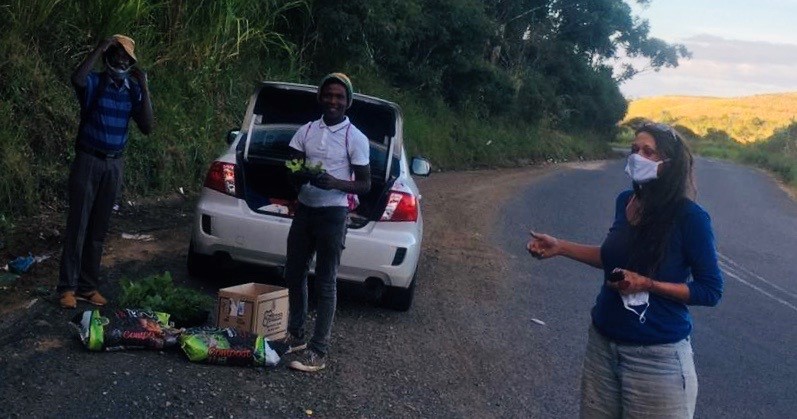
One of the most frightening aspects of the Covid19 pandemic so far has been the sheer number of people needing to be fed. Helen Dodge, founder of The Green Net, said that amidst warnings to keep a safe personal distance, to avoid crowds and to keep everyone at home, hunger had forced many thousands to spend hours in crowds to access food parcels.
“The ‘haves’ in many communities, including the South Coast, have been phenomenally generous and compassionate in their efforts to help, donating money, food, time or effort to get food to those who don’t have any at the moment,” she said. One way to help people ensure their own food security in the long term, even in a post-Covid-19 world, was to re-ignite a culture of home food gardening.
ALSO READ: Make the leap… into a bright, healthy future
Helen said although many had stopped growing their own fruit and veg, the skills and knowledge were still around. “Since the lockdown, many urban South Africans have been putting time into their gardens and, indeed, putting more food into the ground. Even those of us who are still able to buy what we need from the supermarkets are a little more aware of our vulnerability, and the value of being able to look after our own basic food needs.”
The Green Net had begun distributing vegetable seedlings to local townships to help these communities get started.”Some families in Louisiana have created a community food garden at their crèche, which is exciting, and there is massive scope to extend this initiative through the Ugu region,” she said.Some seedlings and compost had been bought from local nurseries using donated funds, but most were being propagated by Green Net members.
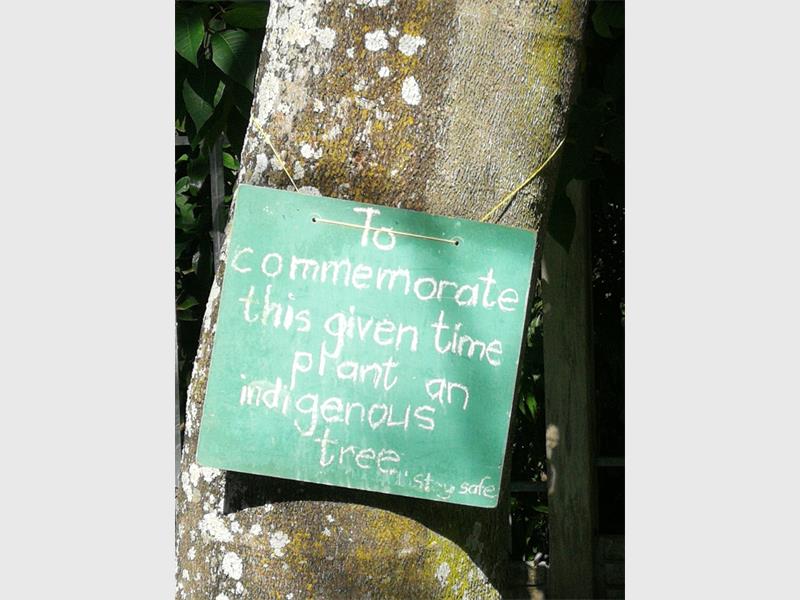
If anyone is able to help by propagating seedlings, making compost, donating seeds, or donating cash to support any of these activities (or related costs like delivery), please call or WhatsApp Helen at 084 9872018, Dianne Hayter at 081 0492435 or Lekky Ngcobo at 083 3205371. Donations of seeds, seedlings or compost may be left outside Farm Food Factory in Shelly Beach for collection, or these can be collected from you by prior arrangement.
Reusable fabric face masks are the way to go
In what would have sounded like a Hollywood script only six months ago, people around the world have lost their public smiles. Helen said that whether we were afraid of the coronavirus or not, carried the virus or not, and whether we liked it or not, we all had to wear face masks in public at the moment, and could expect this to be the case for some time to come.
While the whole world had breathed a sigh of relief at the positive environmental side-effect of a global shutdown – social media was full of beautiful images of cities, skies, wildlife and landscapes renewed thanks to the reduction in pollution during lockdowns, the empty streets and parking lots on the South Coast were quickly becoming strewn with a whole new kind of ugly: disposable face masks and gloves.
Helen explained that this wasn’t just an act of laziness, it was a blatantly thoughtless, even murderous action, as it forced another human being to come into contact with whatever pathogens were on those masks and/or gloves when they had to dispose of them. “Rather than being thrown into the environment, disposable masks and gloves should be contained or disposed of in the same manner as any other plastic materials, at home or in a public bin.”
Fabric masks were the best option, she said, as they were safe, affordable, washable and reusable. Many local individuals and small businesses were making and selling excellent fabric masks, she said, from the simple and functional to some very funky and fun designs, and even ones with corporate branding. Shop local, support small businesses and pimp your lockdown with a funky face mask.
HAVE YOUR SAY
Like the South Coast Herald’s Facebook page, follow us on Twitter and Instagram