World Oceans Day puts small-scale fishers in the spotlight
Covid-19 is highlighting the massive food crisis in our country and opening up the space for alternative views on our food systems to be tabled and debated.
Masifundise Development Trust is a organisation actively involved in rural coastal and inland fishing communities.
ALSO READ: June 8, is World Oceans Day – Protecting the Ocean Protects People
It has particular concern for the well-being of fishing communities, especially during this period of global and national health and food crisis.
Masifundise supports and closely collaborates with Coastal Links South Africa (CLSA), a movement representing more than 5000 small-scale fishers and people living in coastal communities in South Africa.
Yesterday marked the annual World Oceans Day, which provided an important opportunity to celebrate the world’s shared oceans and to raise awareness about the crucial role the ocean plays in people’s lives. Oceans provide vital food resources and essential for food security.
World Oceans Day allows for the reflection on the current global challenges faced by those who depend on the ocean for their livelihoods. Oceans play a pivotal role in maintaining marine life
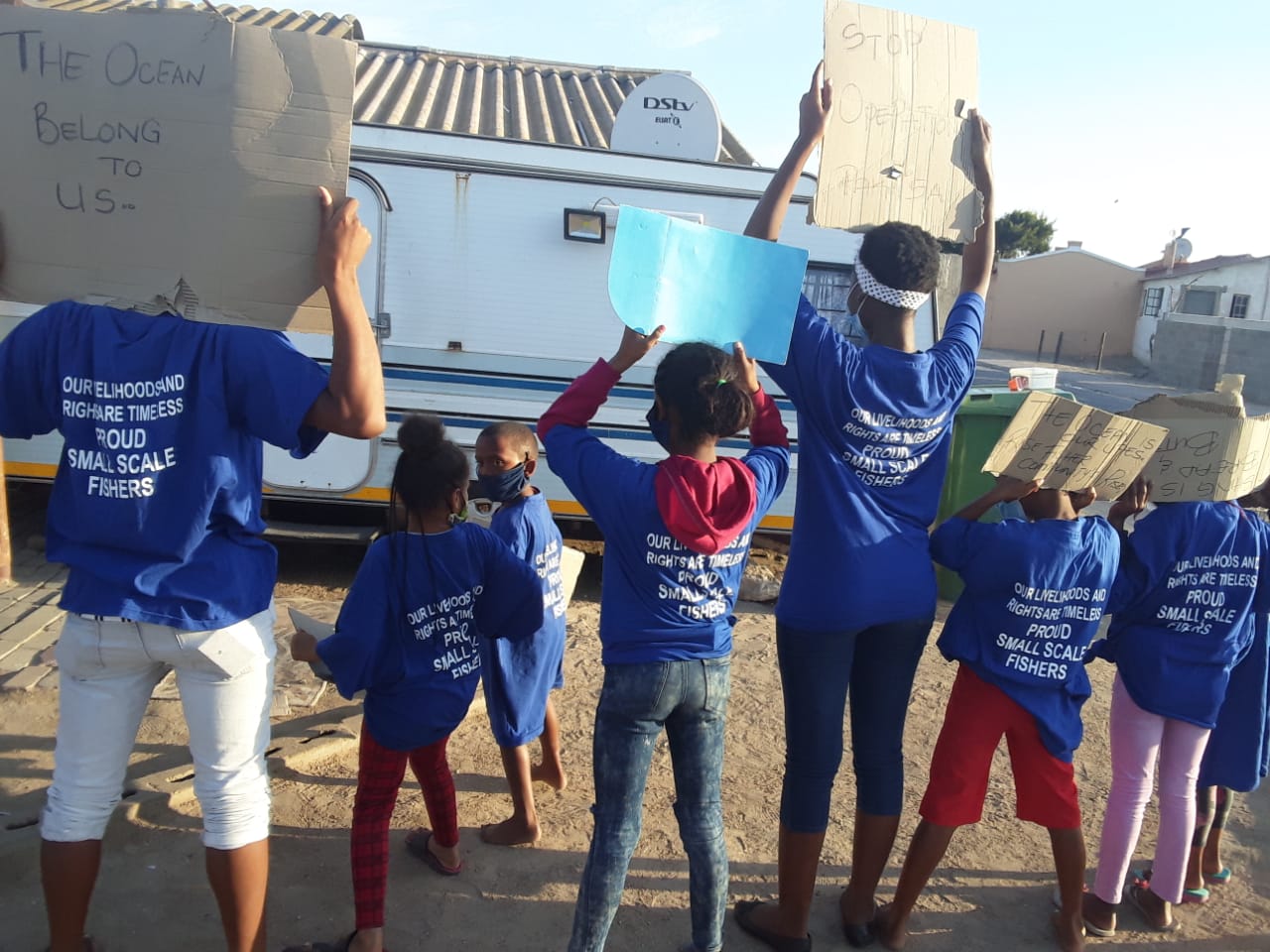
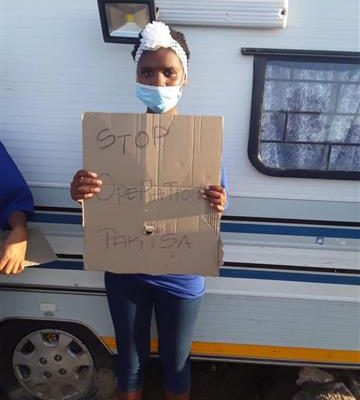
On 8 June, Masifundise and CLSA , together with partners and allies, carried out a digital campaign to highlight a number of problems facing small-scale fishers in the Eastern Cape, Western Cape, Northern Cape and KwaZulu-Natal.
Fishing communities all along these coasts demonstrated, using placards and signs to highlight the following:
- Small-scale fishers (SSF) and coastal communities as primary owners and custodians of our oceans though the vast majority of them are still not recognised by government. To draw attention to the fact that they are not supported in anyway with regards infrastructure, petrol subsidies, access to markets and other measures, not even during times of disaster. This undermines the important role SSF play as food providers and in creating and ensuring livelihoods in coastal communities.
- Raise awareness on who is benefiting from the ocean and its economy. To ask the question, “Whose ocean is this?” Currently elites are benefiting from the so-called Blue Economy, pushing for, and taking advantage of Operation Phakisa and other Government programmes. Extractive developments such as mining, aquaculture and industrial fishing and institutions and extension of Marine Protected Areas (MPAs) are being pushed for by government and corporates, often with massive investments.
Even as the economic crisis resulting from Covid-19 unfolds, we see an increase in the promotion of extractive industries on the coast, and in the oceans to create growth, this, without any regard for environmental and social sustainability.
As a result, fishing communities are losing their fishing grounds, and are forced to opt for “jobs” created in these extractive industries at the expense of their culture and heritage.
Covid-19 is highlighting the massive food crisis in our country and opening up the space for alternative views on our food systems to be tabled and debated. Now is the time to make the case for SSF communities to be at the center of an “alternative” ocean economy.
HAVE YOUR SAY
Like the South Coast Herald’s Facebook page, follow us on Twitter and Instagram