Water safety tips that could help reduce the risk of your child drowning
The National Sea Rescue Institute's water safety education programme gives free water safety lessons to children, especially those from previously disadvantaged communities.
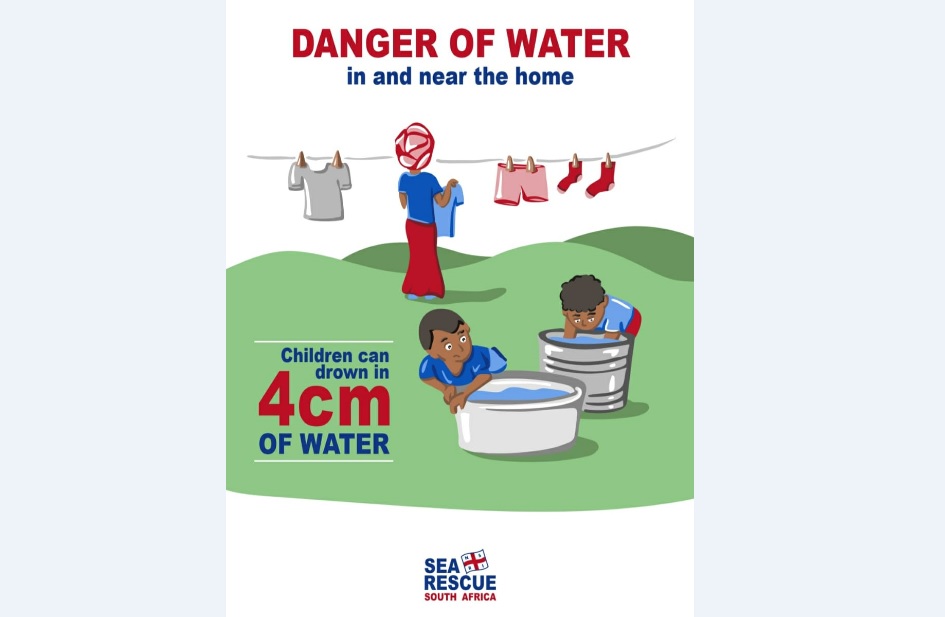
According to the National Sea Rescue Institute (NSRI), an estimated 600 South African children drown each year.
Since the institute established its water safety education programme in 2006, it has reached 2.6 million people in the country.
The programme gives free water safety lessons to children, especially those from previously disadvantaged communities that are at high risk of drowning.
“More drownings occur inland than in the sea,” explained NSRI water safety instructor, Slindile Fortunate Mkhize.
“Most children under the age of five drown around the house in buckets, basins, baths, swimming pools and pit latrines.”
The institute aims to reduce the number of people who die from drowning every year, as well as the number of those who experience a non-fatal drowning which in some cases results in the victim having to live with complications of their drowning.
ALSO READ: Humble hero saves child from drowning
To keep children safe, parents must make sure that after doing house chores like washing dishes, mopping and cleaning in general, the water is emptied immediately. Pools should have a pool cover.
If you have collected water in buckets or large vessels, ensure that these are out of reach of children.
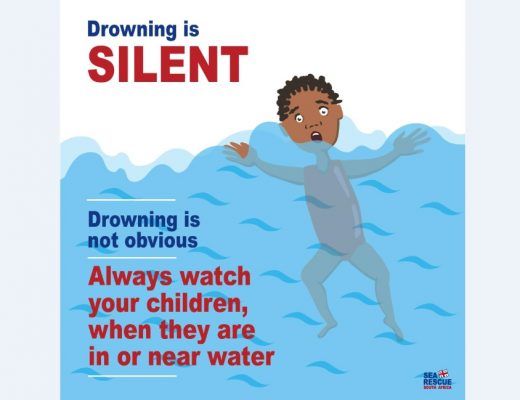
“Children need constant supervision when they’re in, on or around water, so don’t allow them to play alone near water or assume that someone else is watching your child.
Should you be near a body of water such as rivers and dams:
• First look at your environment and ask yourself if it is safe.
• Do not attempt to cross a river in flood.
• Be aware that the water depth in dams and rivers can quickly change.
• Check if there are any slippery stones or rocks near the water because it can cause you to fall into the water and/or injure you.
• Consider how fast the water is flowing.
• Never swim alone even if you are a good swimmer. Always swim with a friend and never jump or dive in if you can’t see what is in the water or how deep it actually is.
• Always face the water as slips happen so easily.
ALSO READ: Fisherman assisted by NSRI in health scare at sea
People should also keep in mind that it is extremely dangerous to get into the water and rescue someone.
“Rather throw something that floats to the person in difficulty like a rope or hold out a long stick/pipe to that person and call the emergency number 112 for help.”
Should you require water safety lessons at your school or organisation after the lockdown, contact Slindile at fortunate@searescue.org.za or call 072-1241255.
HAVE YOUR SAY Like the South Coast Herald’s Facebook page, follow us on Twitter and Instagram