Covid-19: Should ‘school screening’ actually start at home?
As part of its contribution to assisting schools to respond effectively to Covid-19, the toolkit is free for up to 10 000 form submissions per month (about 500 learners and/or staff screened daily).
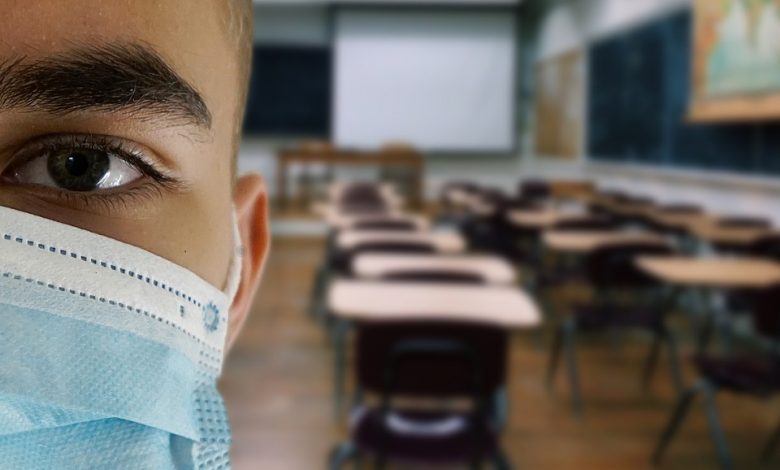
As schools reopen, the Department of Basic Education, school governing bodies, principals and teachers will once again be under pressure to reduce any risk of infection and ensure the safety of learners at school.
ALSO READ: Turning the Tide – Lifestyle Medicine and Covid 19
While many previously trialled daily screening at school gates, and introduced creative rituals to remind children about social distancing, hygiene and mask wearing during Level 3 of lockdown, those measures unfortunately weren’t enough in many instances.
A locally developed tech toolkit could potentially offer an additional layer of protection for schools as they return.
Some schools have already successfully rolled out a Covid-19 school screening toolkit developed by Mobenzi, a company specialising in data collection technology.
The toolkit includes screening templates that capture and flag learners and staff who may be at risk. Learners can be screened before coming to school or, if that isn’t possible, immediately upon arrival through a simple series of configurable screening questions, captured using any web-enabled device.
As such, any children or teachers with identified risk factors are guided to stay at home or take appropriate action from the outset.
Vulnerable children also now have a daily electronic record of their health which the school can use to monitor and determine their individual risk; and then intervene as needed.
Repeat screening is fast and painless as previous responses can be re-used and results can be verified rapidly by scanning a QR code assigned automatically to each learner – giving schools the peace of mind that those entering the school environment have been cleared to do so according to the latest guidelines.
Andi Friedman, co-founder of Mobenzi, explains that the thinking behind the Covid-19 school screening toolkit wasn’t just about reducing risk but also about gathering reliable information that schools could use to make decisions.
“Since the start of this outbreak, the ability to collect and leverage reliable data has emerged one of the most powerful prevention and mitigation strategies. We wanted to equip schools with the best means possible of collecting Covid-19 data that really empowers them in their fight against the pandemic.
Any suspected cases must be identified early – before arriving at school – wherever possible. In spaces where it isn’t, there has to be another quick and easy way to get this critical information from children so that it can be acted on immediately.
Schools need to be in control of the information they gather and agile enough to adapt as regulations, protocols and challenges evolve.” Friedman highlights that the templates in the Mobenzi toolkit have been developed with direct input from health professionals, parents and teachers and can be adapted to each individual school’s needs.
“The solution had to work in both technology-resourced and under-resourced settings – which is where the flexibility of the system has made all the difference. The digital screening form generates an individual QR code for each learner at the school allowing staff (such as an appointed compliance officer) to rapidly identify them, verify their latest screening results and log their entry to the school; all by simply scanning the learner’s code using a smartphone.
Where families have access to the internet at home (or via a cellphone), screening is completely paperless: caregivers are sent a web link allowing them to complete the screening form using any web browser, following which, learners can save the generated QR code to their own phones (if they have one) or print their code at home to present upon arrival.
In situations where the QR code cannot be provided digitally, it can be generated in advance, printed and handed out by the school. Staff can be screened and verified using a similar process by completing an Employee screening form which is also included in the toolkit.
As part of its contribution to assisting schools to respond effectively to Covid-19, Mobenzi has made the toolkit free for up to 10 000 form submissions per month (about 500 learners and/or staff screened daily).
Where additional data collection is needed, an affordable month-to-month plan can be activated with subsidies available for schools.
“It’s critical that we find a way for our children to continue learning while keeping them, their teachers, families and the broader community safe.
“Technology offers us new opportunities to do this effectively. We need to leverage it in whatever way we can to overcome our current Covid-19 reality space.”
HAVE YOUR SAY
Like the South Coast Herald’s Facebook page, follow us on Twitter and Instagram