From The Dog Box: Why it matters to treat your pet empathetically
It is an undisputed fact that people who neglect and abuse animals treat humans in the same way – 48 percent of violent prisoners convicted of rape, child-molestation and murder had previous histories of animal abuse.
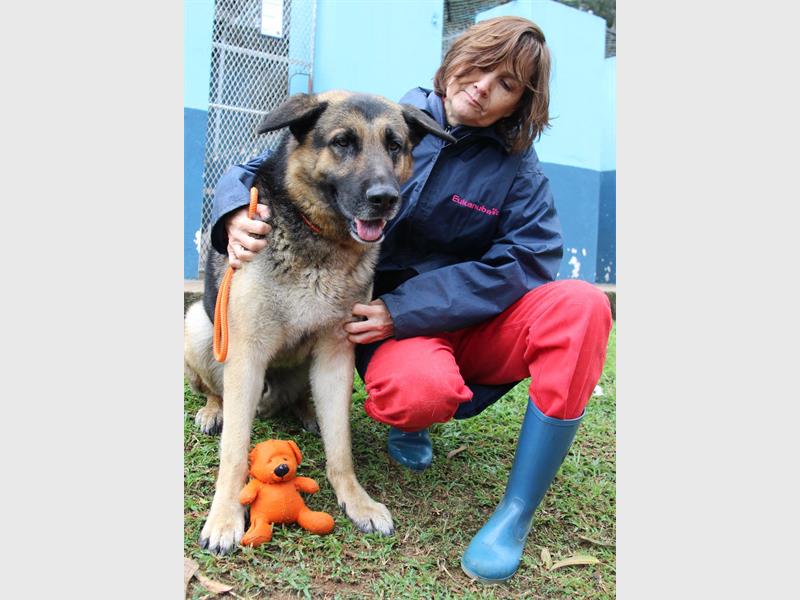
Empathy is the capacity to understand and identify with the emotions of others regardless of their race, culture or species.
Making an effort to see a situation from the point of view of another makes us better able to react to it fairly.
This is why empathy is a prerequisite for pro-social behaviour.
ALSO READ : From The Dog Box: Love, respect and trust are rewarded with co-operation
Parents set examples that shape future generations’ values.
By nurturing empathy in children we can effectively sever the roots of violence.
It is an undisputed fact that people who neglect and abuse animals treat humans in the same way – 48 percent of violent prisoners convicted of rape, child-molestation and murder had previous histories of animal abuse.
Healthy families are aware of the lifetime responsibility that adopting animals entails.
They commit to take care of nutritional, physical and mental needs for life.
Children from such homes are taught nurturing and responsibility.
Studies have shown that they are better at pro-social behaviour than children who grow up without a family pet.
The family pet is often a valued friend, sibling, confidant, comforter and play mate. This is of tremendous value to a child.
Sadly the reverse is true in families when parents are empathetically wanting.
Those who easily relinquish the pet when it soils a carpet, destroys furniture, smells, loses hair or misbehaves in other ways show the child that material possessions are of greater value than another’s life.
Children who witness their parents using harsh abusive training methods to instil discipline in family pets, necessitates the child emotionally adapting away from empathising with another.
This changes the wiring of the empathy circuit of the brain causing a deficit in the child’s ability to control or regulate their emotional response to perceived provocative situations.
Ethologist and primatologist, Professor Frans de Waal (Professor of Primate Behaviour in the Department of Psychology at Emory University) explains empathy as being the glue that holds society together. Animals survive not by eliminating each other and keeping everything for themselves but by cooperating and sharing.
Teaching a child to use force-free, humane training methods and to treat animals with the same consideration and respect with which they would wish to be treated has far reaching benefits for the emotional and social well-being of the child, the animal and society.
Susan Henderson© (Accredited Animal Behaviour Consultant)
HAVE YOUR SAY
Like the South Coast Herald’s Facebook page, follow us on Twitter and Instagram