Sea Rescue: All in a day’s work
Rule number one for a safe experience at the beach is to choose one where lifeguards are on duty and to swim between their flags.
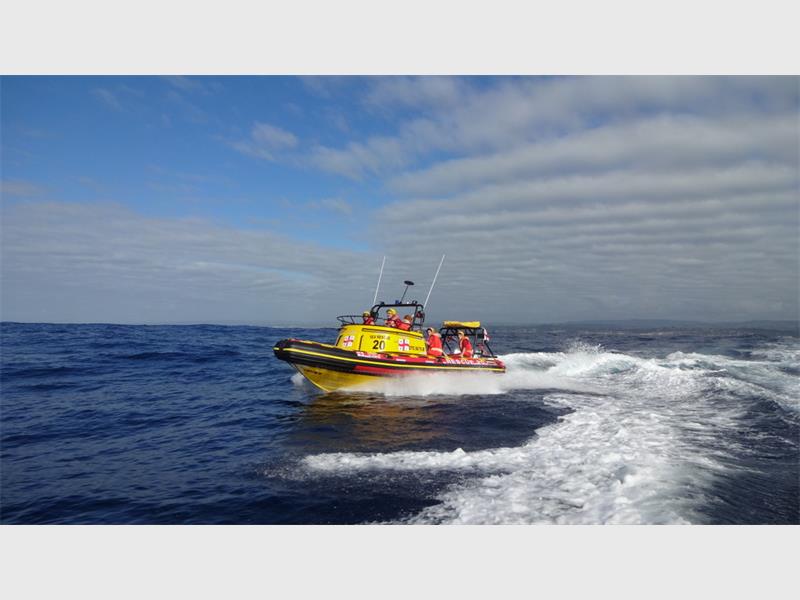
Jeremiah Jackson (35) has been at the helm as station commander of NSRI Station 20 Shelly Beach for the past five years, having joined the organisation as a volunteer at the tender age of 17.
He is passionate about saving lives, serving the community and making a difference.
“Looking back on the last five years I have been lucky to work with the most amazing people. I’ve had an awesome crew and management team who have made the experience all the better,” he said.
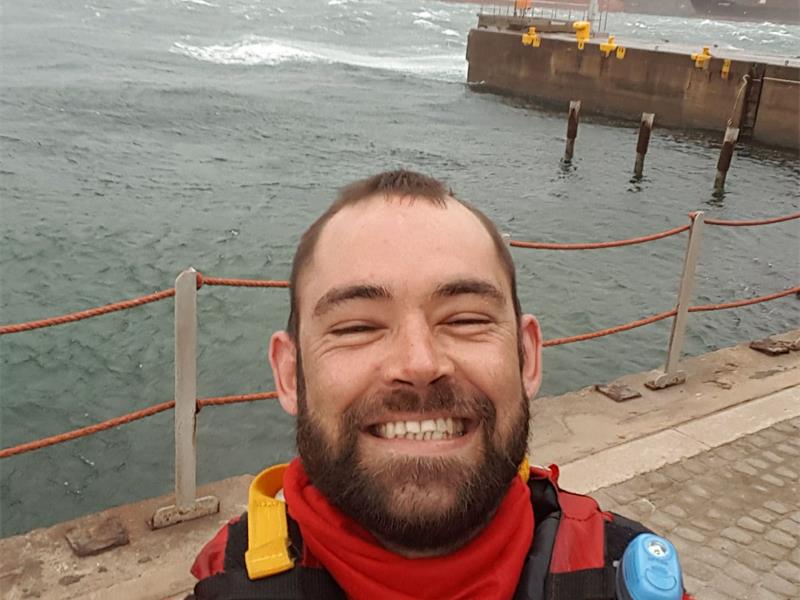
Jeremiah has been involved in many rescues over the years.
One which stood out for him was the 2013 rescue of a missing diver who was eventually found off Port Edward, some 45kms from where he was last seen.
“He had drifted in rough seas, and endured a 30 knot wind for more than seven hours,” said Jeremiah.
ALSO READ : Who and what is the National Sea Rescue Institute (NSRI)
An NSRI rescue swimmer was deployed from the rescue helicopter to secure the diver, who was then airlifted to the Shelly Beach rescue base.
Jeremiah runs a small electrical company and when not at the beach or in the sea, he can usually be found at the NSRI base.
He added that while the NSRI had been operational during Covid-19, they had received relatively few call-outs.
“Overall it has been quiet as the beaches have been closed during lockdown.”
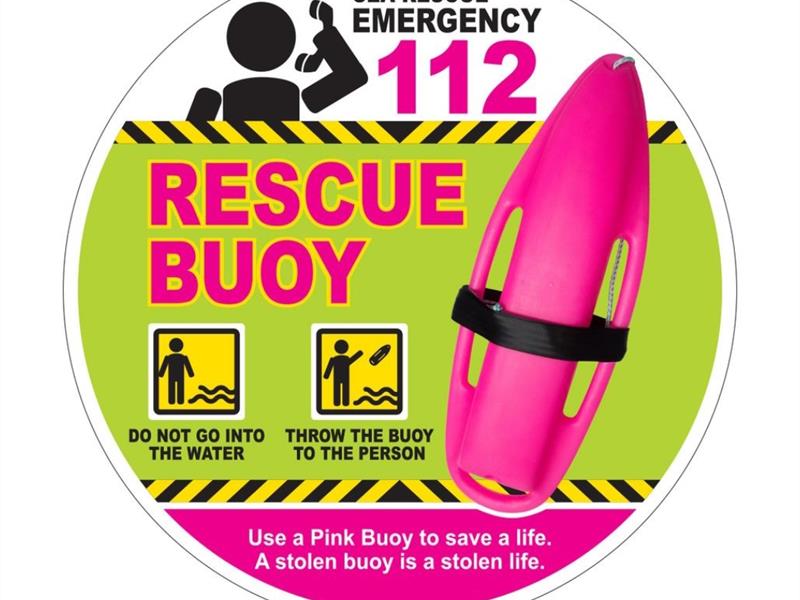
PINK RESCUE BUOYS CAN SAVE A LIFE
Rule number one for a safe experience at the beach is to choose one where lifeguards are on duty and to swim between their flags.
That way you don’t need to worry about rip currents, or suddenly finding yourself out of your depth. Putting an arm in the air and waving for help will get a rapid response from the lifeguards on duty.
Unfortunately, for various reasons, people regularly swim where there are no lifeguards on duty.
This may be on a beach after the lifeguard’s duty has finished or at a beach that does not have lifeguards. This is when things can go wrong.
Because this happens so frequently, Sea Rescue launched the Pink Rescue Buoy project in November 2017.
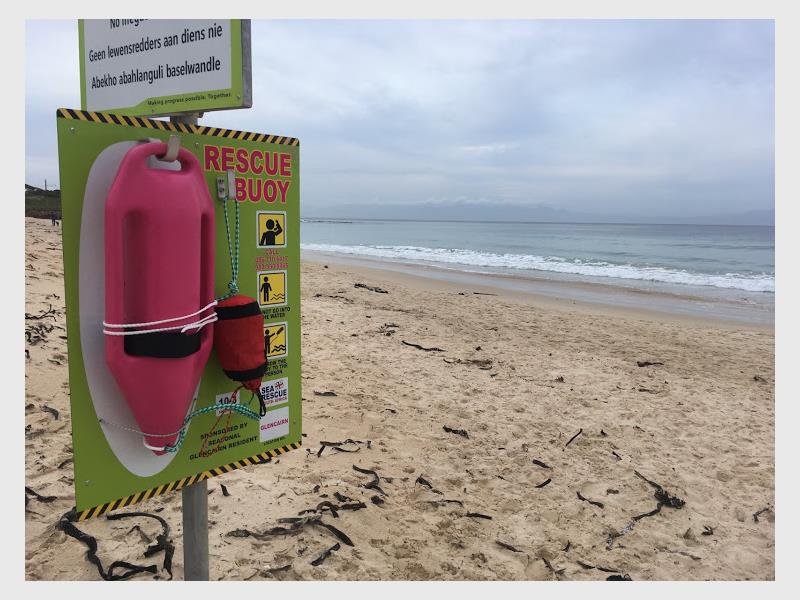
If there is an incident and someone needs help, these buoys can be thrown to that person, providing emergency flotation.
As at October 1, more than 700 Pink Rescue Buoys had been installed around the country and 59 people had been assisted using a Pink Buoy since the project began.
According to the NSRI, on the South Coast there are currently 20 Pink Buoys between Port Edward and Scottburgh, and rip current warning signs at Kidds Beach, Peter Pan, Drake, Trafalgar, Glenmore and Kent.
SAVE THIS NUMBER:
NSRI Emergency Operation Centre: 087 094 9774 or 112 from your cellphone.
PHOTOS: NSRI
HAVE YOUR SAY
Like the South Coast Herald’s Facebook page, follow us on Twitter and Instagram