How to perform CPR safely
Hands-on CPR is very important as it can help to circulate oxygen in the body of a drowning victim until trained medical help arrives.
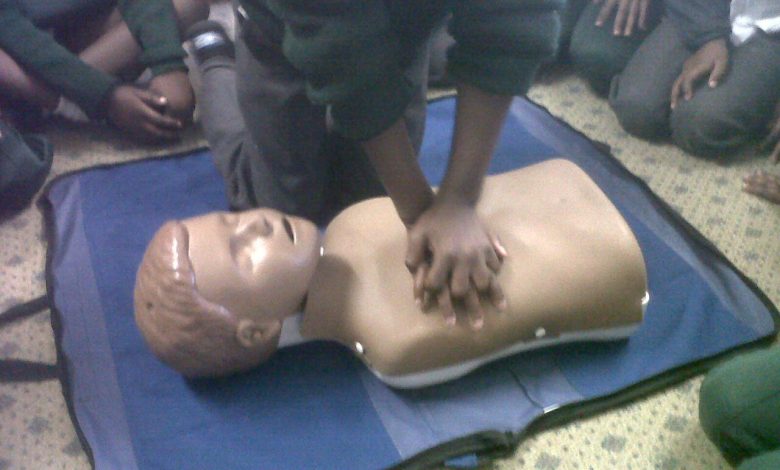
Beaches have been jam-packed ever since it was announced that the lifeguards are back and swimming is once again allowed.
Slindile Mthethwa, a water safety instructor for the National Sea Rescue Institute, cautioned that people still needed to be careful in and around water, pointing out that most accidental drownings can be prevented if the following was taken into consideration:
• Learn to swim and swim only in safe or guarded areas. Never swim alone.
• Do not swim to rescue a drowning person unless you’re a good swimmer, have the correct equipment and are proficient in rescue techniques.
• Learn how to do hands-on CPR.
Hands-on CPR, says Ms Mthethwa is very important as it can help to circulate oxygen in the body of a drowning victim until trained medical help arrives.
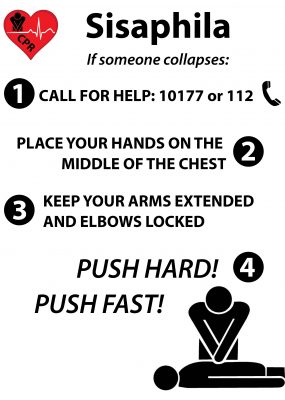
The process is as follows:
- Before starting with compressions (pushing hard and fast on the chest), check your surroundings and make sure the scene is safe.
- When approaching the person put on any available personal protective equipment. Your safety is key. Also cover the victims mouth and nose with an item of clothing such as a T-shirt.
- While keeping your face as far away from the person as possible, firmly tap on the persons shoulders and shout “Are you ok?” to check whether the person is conscious or not.
- Check to see if the person is breathing by only looking for the chest rise and fall. Do not put your face or hand next to the person’s mouth to feel for breathing.
- If the person is unresponsive or is gasping for breath, call 112 or an ambulance for help.
- Begin CPR by placing one of your hands on top of the other and clasping them together. Keep your elbows straight.
- Push hard and fast in the centre of the chest, slightly between the nipples. Keep repeating the cycles of 30 compressions until help arrives.
“Interestingly, the popular Bee Gees song ‘Staying Alive’ has a beat to match the pace of compressions,” said Ms Mthethwa.
Lastly, always remember that only properly trained medics should perform mouth-to-mouth resuscitation.
HAVE YOUR SAY
Like the South Coast Herald’s Facebook page, follow us on Twitter and Instagram