Crematorium crisis as Covid-19 deaths surge
Questions are being raised by the community as to when the facility will be fully operational.
There’s a dire need for the crematorium on the South Coast to become fully functional again.
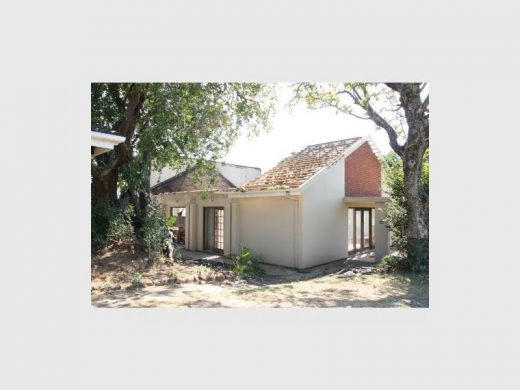
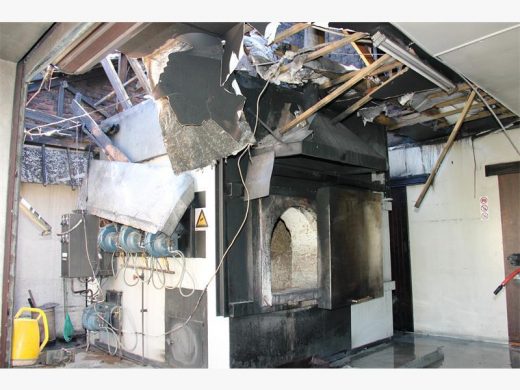
After being gutted by a fire in 2014 and again in 2018, the Oslo Beach crematorium remains closed.
Questions are being raised by the community as to when the facility will be fully operational.
As the only crematorium in Port Shepstone, its non-operation has made it difficult, especially for bereaved families.
Cremations have since had to be carried out as far away as Clare Estate and Verulam.
The Ugu District has seen a massive increase in Covid-19 infections and deaths, resulting in President Cyril Ramaphosa declaring the district as a Covid-19 hotspot.
Port Shepstone, in particular, has had an increase in infections over the festive period, with numerous families losing loved ones.
According to Ray Nkonyeni’s communications officer, Nomusa Zulu, the Oslo Beach Crematorium is leased to a private entity (ICSA – Independent Crematoriums South Africa) which is responsible for the refurbishment process.
“Ray Nkonyeni can report that the crematorium is currently under construction. All of the building work is complete. A three-phase power circuit was upgraded in July 2020. Water was connected in November 2020 for fire prevention purposes. A fire rational design is currently being completed in compliance with regulations governing the operation of the crematorium. A gas system is to be installed in due course,” she said.
When asked when the crematorium will begin to operate, Ms Zulu said the municipality “cannot be too sure as the outstanding issues involve the approval of external regulatory bodies”.
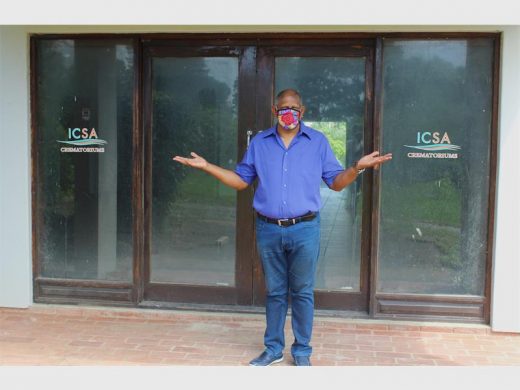
Respected Pastor and Rotarian, Reggie John explained that from what he was told, the delay was also because the crematorium is in the process of being licenced as a brand new one.
“ICSA is awaiting a licence to begin operations, however the Department of Environmental affairs will not award a new licence without the necessary paperwork being complete,” he said.
“The apparent issue is in regards to emissions from the crematorium as well as its distance between surrounding houses. However, the issue with distance falls away because the crematorium was licenced as an existing one prior to new houses being built around it.”
Pastor John explained that, with a cremator (the new term for what is known as a furnace) reportedly costing close to R2.5-million, ICSA did not see it as viable to install the cremator without obtaining a licence first.
“The application has gone to provincial level where it is trying to be fast-tracked because of the plight people are facing, and the urgent need for a crematorium in the area. Until the application is cleared by province, chances of the crematorium operating by at least March or April remain uncertain,” he said.
Upon inspection of the crematorium by Pastor John and a Herald reporter, it was found that the interior building (doors, walls, windows, painting and a bathroom) had been completed. Water and electricity had been connected, however there is no cremator.
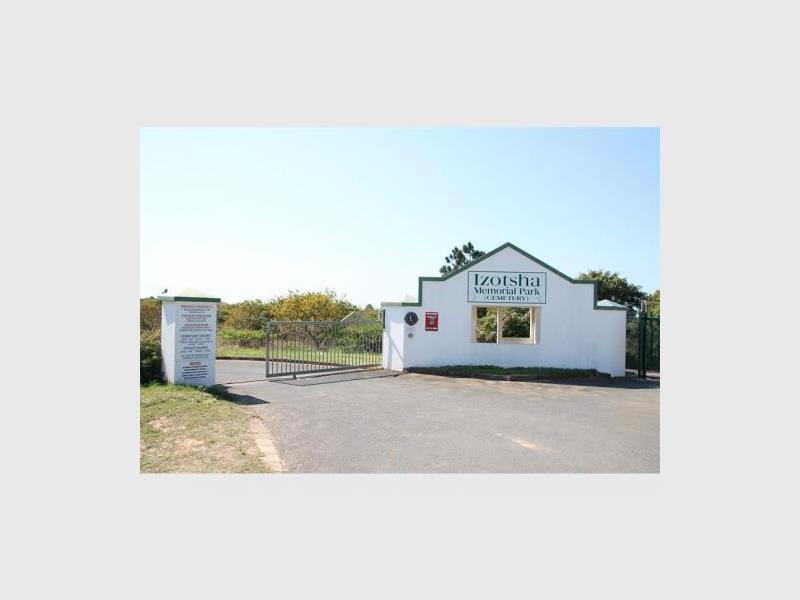
Meanwhile, the crematorium that was set to be built in Izotsha has seen progress in the building phase.
According to Pastor John, there was a snag in the building’s foundation.
However it has since been completed and the crematorium could possibly be ready by April this year.
The Herald is still awaiting comment from ICSA.
While funerals are difficult and emotional, this unprecedented pandemic has made it more unsettling for people to lay their loved ones to rest.
A funeral parlour on the South Coast said it was under immense pressure as, along with other crematoriums, it was struggling to keep up with the backlog the pandemic has caused.
“It really is a tragedy and so heartbreaking as people are dying faster than we can lay them to rest,” said the owner.
If a person dies of Covid-19, they can still be buried.
However, according to the National Institute for Communicable Diseases (NICD), cremations are preferred because if the cause of death is Covid-19, the remains are still considered contagious.
In the midst of the Covid-19 pandemic, having a fully functional crematorium nearby is essential.
FUNERAL PROTOCOLS
Here are a few things you can expect in terms of Covid-19 funerals:
– All Covid-19 funerals are carried out according to the Disaster Management Act.
– Only 50 people are permitted to attend.
– A register must be kept to allow for contact tracing.
– Health protocols, wearing of face masks and social distancing must be adhered to.
– According to an undertaker, removal of a Covid-19 body is an urgent matter and extreme caution has to be taken while doing so.
– Mortuary staff are required to wear personal protective equipment at all times. Bodies have to be double-wrapped and masked to prevent any bodily fluids or droplets from being expelled during transportation and movement.
– On the day of the funeral, the coffin remains in the hearse. A service is usually conducted and the funeral parlour do a final drive-by during which the family can say its goodbyes.
HAVE YOUR SAY
Like the South Coast Herald’s Facebook page, follow us on Twitter and Instagram