Children and the flu, what should you do?
Children are susceptible to contracting the flu as they are not as conscious as adults of touching surfaces with their hands and then touching their faces afterwards.
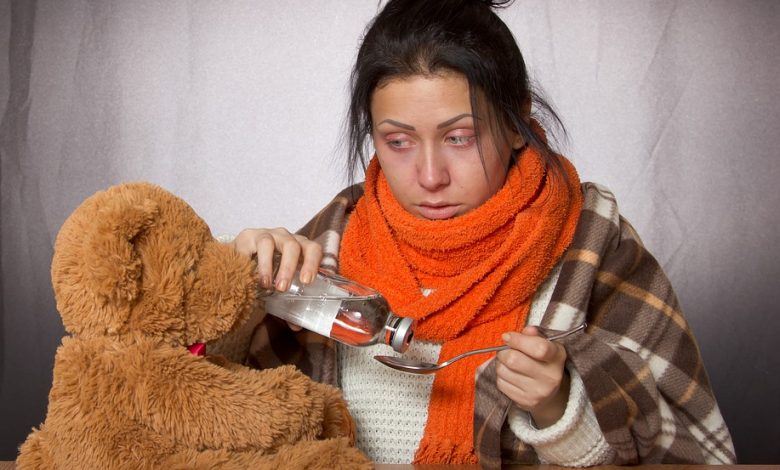
Flu season has begun and although we are being more careful than before with regards to staying germ free, the chances of catching a cold or getting the flu is still high.
Children are susceptible to contracting the flu as they are not as conscious as adults of touching surfaces with their hands and then touching their faces afterwards. Surfaces such as doorknobs, pencils and pens, their desks at school or even a soccer ball on the playground have the potential to carry the flu virus should they be touched by a child who is sick, which can then be easily passed on to another child continuing the cycle.
Once contracting flu, children and adults are most contagious 24 hours BEFORE their symptoms start, and therefore the virus can be spread quickly. Flu symptoms in children usually only occur two days after they are exposed to the virus, and can last five to seven days, and in some cases even longer.
“During flu season children may still attend school without knowing that they are sick, and this is how the virus can be spread from one child to another. Teaching our children proper hygiene and to sanitise their hands can help stop the spread, however children tend to get distracted when they are with their friends,” explains Carla Yssel, senior brand manager for Tibb Health Sciences’ Flu Relief.
“Teaching our children how to stay healthy is very important, but we also need to help them identify their symptoms before they spread, which must be followed by parents being able to manage the symptoms so that their child doesn’t get sicker.”
Symptoms of the flu can vary slightly, but Yssel suggests the following list to help identify them:
- High fever
- Body aches
- Headaches
- Runny or a stuffy nose in some cases
- Coughing, that may become worse
- Extreme tiredness, that can last up to a couple of weeks
- A sore throat
Children may also experience symptoms such as diarrhoea, nausea and vomiting. Should your child be experiencing any of these symptoms, during the current pandemic it will set your mind at ease to take your child to the doctor to confirm that it is the flu and nothing else.
Once the doctor has confirmed that your child has the flu, knowing how to treat these symptoms can bring about relief for you child, and in doing so makes managing their illness a simpler process. As the flu is a viral infection, antibiotics are not effective, and easing your child’s symptoms should be the aim until the illness passes.
Once you know why your child is sick it is time for some TLC with a strategy. Knowing how to look after your child while they have the flu is necessary so as to keep them comfortable and not have them get worse. Yssel provides the following tips on how to manage your child’s symptoms:
- Resting gives your child’s body to chance to fight the infection. Although children may not want to lie in bed all day, simply lying on the couch and not being active will help as well.
- When a child is sick, they need to stay hydrated. The fluid helps to thin out their mucus build up and eases their sore throats. When they have decided that they no longer want to be sipping on “boring” water, warm soups and warm drinks such as tea and hot chocolate will help keep up their fluid intake.
- Use a complimentary medicine to help your child’s body fight the virus from the inside. Tibb Health Sciences’ Flu Relief is a herbal remedy that aids in the relief of symptoms associated with colds and flu, including a body aches and pain, congestion and fever. Flu Relief is available in syrup and tablet form and can be used on a child from 1 year of age.
- Keeping the air moist helps to ease a dry, sore throat, thin out the mucus and improve their breathing. This can be done with a humidifier which should be placed in your child’s room to stop the air from getting dry and to create moisture. If the air is dry this can increase your child’s discomfort and make their symptoms worse.
- A fever is a sign that your child’s body is fighting an infection. Luke-warm baths, light clothes, a light blanket and a cold cloth on their foreheads can help manage their temperatures.
“Children, depending on their age, don’t always understand what they are feeling, or why they are feeling the way they do when they are sick. It is up to us as parents to manage their symptoms and make them feel comfortable while they are feeling under the weather,” comments Yssel. “Providing them with the right care will not only make them feel better sooner but will also provide us with the peace of mind that your child will be healthy in no time.”
HAVE YOUR SAY Like the South Coast Herald’s Facebook page, follow us on Twitter and Instagram