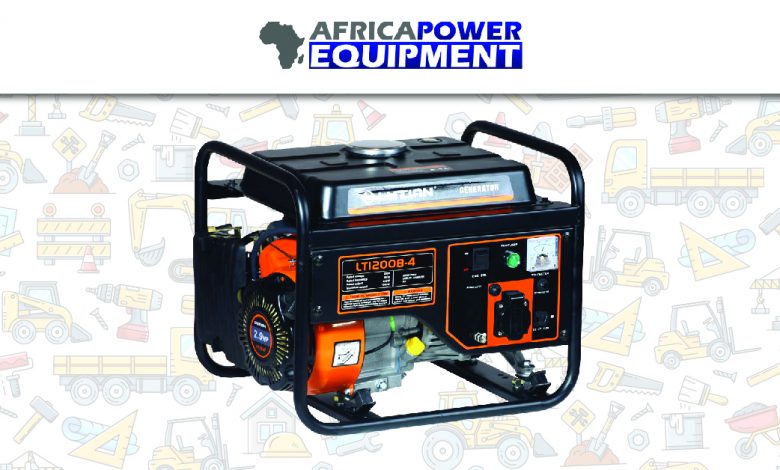
With rolling blackouts in South Africa becoming a frequent occurrence, more people have started investing in a source of backup power in the form of a portable and standby generator. However, buying a generator can be a daunting process as there is no “one-size-fits-all” option, and even though salespeople are amazing at their work, they will need information from you to help you choose the right generator, especially considering your wattage needs, what you plan to power with the generator, and so on. Before considering the different generators for sale in South Africa, you will need to know these five important things.
The power output that you need
To figure out how much power you will need to run basic operations such as kitchen appliances, the air conditioner or heater, power tools, computers, and so on, you need to make a list of the appliances to determine the wattage that you will need. Homeowners typically choose generators that can handle around 5,000 watts for essentials, but this can differ from one household to another.
The type of Generator that you should consider
There are three main types of generators to choose from, home standby generator, portable generator, and inverter generator. Home standby generators automatically switch on when there is a power outage and they often run longer to provide more power. Portable generators have a limited power supply, and they can only run for a certain time, depending on their fuel tank size and fuel type. Inverter generators have smaller wattage capabilities, but they produce fewer emissions than diesel and petrol portable generators.
The purpose that you are using the Generator for
The type of generator that you choose will depend on what you will use it for, which is also indicated by your power requirement. If it is for emergencies during a rolling power outage, long durations where there is maintenance on power lines or any other purpose. You need to ensure that you get a generator that will cater for a variety of uses.
The features you need to consider
Generators have a plethora of features that you can choose from including:
- Automatic transfer switch – this will save you when you are not home or the power goes out during the night, allowing the generator to automatically power on.
- Wheeled frames to make transporting easier.
- Additional noise reduction features such as large mufflers or soundproof casings, especially on diesel generators.
How generators are installed and operated
Standby generators are directly wired to the electrical system of the home and will require professional installation. If you install the generator yourself, you may make void the warranty of the unit, or you could violate local building codes. Portable generators are connected to an electrical panel, and they typically come with an installation guide, and additional safety information to ensure that the generator is not overloaded. It is imperative to consult the manufacturer manual to ensure that the generator is always operated correctly and safely. This not only ensures good safety practice, but it helps to avoid any damages to the generator that could lead to expensive repairs or replacement of the equipment.