
Why structural repairs require both engineering knowledge and practical experience
Tips and advice on structural repairs and how to find a suitable specialist
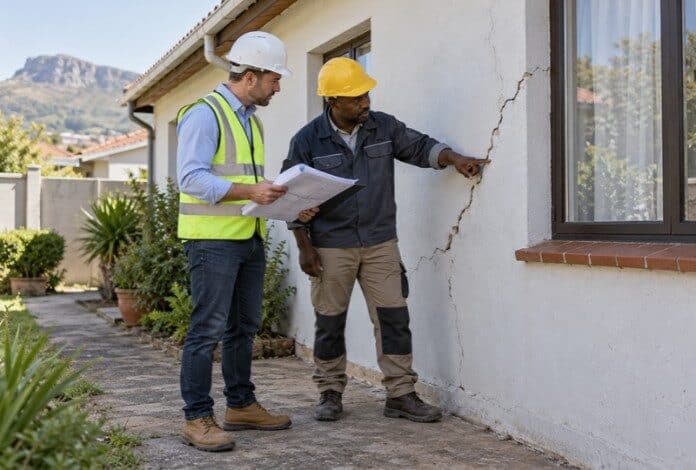
If you notice a crack running above your window or a corner of the floor that seems lower, it doesn’t necessarily mean that your building has a serious structural problem. Plaster cracks and minor movement can be harmless—but they can also point to foundation movement or another issue that needs proper investigation.
Before you repair what you can see, you need to understand what caused it.
Structural repairs start with understanding the cause
Structural damage is usually a visible symptom of a problem elsewhere in the building or ground. A crack can develop because a foundation has settled – but why did it settle?
Possible causes include changing soil conditions, poor drainage, groundwater, nearby excavation or foundations that were inadequate from the start. Structural movement can also happen after alterations that put greater loads on parts of the building than they were designed to carry.
According to Pinnacle Structural Repair Specialists, filling and repainting a crack won’t stop any of these underlying causes. The crack can come back because the underlying movement is still there.
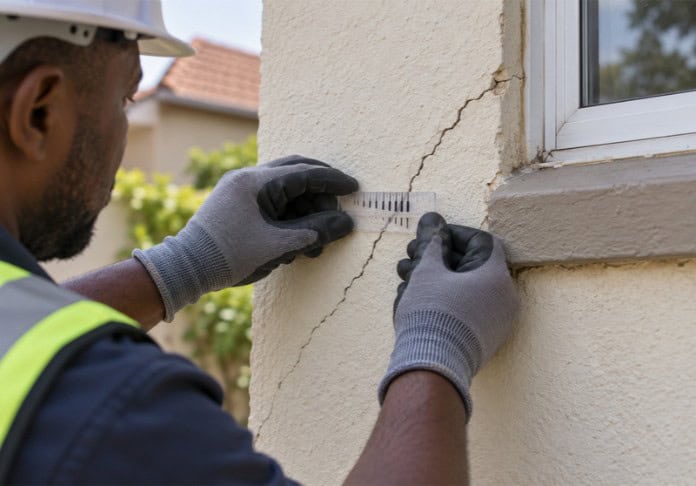
Good structural repairs begin with a diagnosis. This could include inspecting the pattern and position of the damage and investigating the foundations, soil and underground pipes etc.
What engineering knowledge brings to structural repair
Why do structural repairs need engineering knowledge? Because the damage you see may be caused by foundation movement, or changes in the way weight is carried through the building. These factors need to be assessed before anyone can decide on a suitable repair.
Recent building collapses show why proper engineering oversight matters. A structural engineer looks at how the building is behaving. Where is the weight carried? Which walls, beams and foundations are involved? Is the movement isolated or is it affecting a larger section of the property?
Geotechnical information may also be needed where foundation problems are suspected. A geotechnical report or site investigation can establish what lies beneath the building and how the soil is responding.
Why practical experience is also just as important
A technical sound design still has to work on an actual site. Your property may have narrow access down one side and a neighbouring building close to the affected wall. The original foundations may also look very different once excavation begins.
An experienced structural repair team knows how these conditions affect the work. They understand how to excavate safely and adjust the sequence when the site reveals something unexpected.
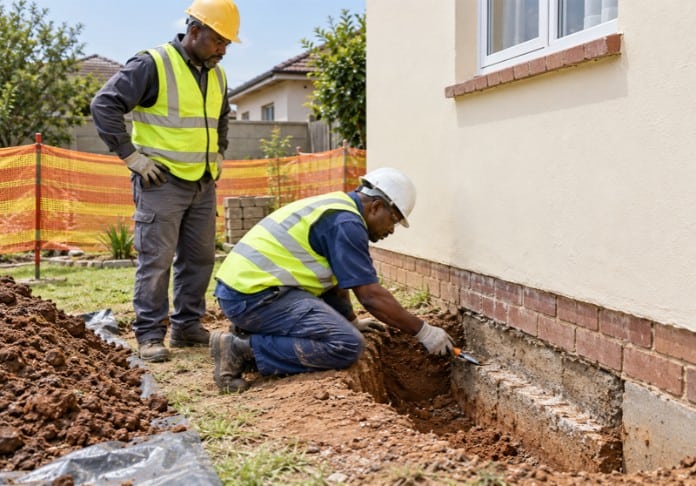
Imagine that underpinning is recommended beneath a wall. The method may be appropriate on paper, but the work still needs to be completed in carefully controlled sections. Dig too much at once or follow the wrong sequence and you could place the structure under more strain. Practical judgement comes from having done this type of work before.
The value of combining the two
Engineering knowledge and practical experience aren’t interchangeable. They do different jobs and effective structural repairs use both.
Engineering provides the technical basis for deciding what should be done. Site experience makes sure that the proposed solution can be carried out safely and effectively under real conditions.
Underpinning is a good example. An engineer may determine the type of support you need based on the building and ground conditions. The repair contractor must then manage the excavation and sequencing correctly.
This combined approach also prevents unnecessary work. You don’t want an extensive foundation repair if drainage is the real problem. Equally, you don’t want someone repeatedly sealing cracks while movement continues below them.
What to look for in a structural repair specialist
When comparing structural repair contractors in SA, ask about their experience with the problem affecting your property.
A suitable specialist should offer:
- A thorough assessment before recommending repairs
- Relevant structural and foundation repair experience
- Access to structural or geotechnical engineering expertise where needed
- Experience with more than one method of repairing
- Clear safety procedures and appropriate insurance
- A straightforward explanation of the proposed work
- A solution aimed at the cause rather than the appearance of the damage
Be wary if someone suggests patching visible cracks without asking why they formed in the first place. You should be able to understand what the contractor believes has happened and whether more investigation is needed.
Final Thoughts
Structural damage can be worrying, but rushing into the first available repair rarely helps. Sound engineering principles with proven practical know-how give y