Living with diabetes mellitus – Mid-South Coast nurse shares facts
With the right mindset, education and support, individuals can lead fulfilling lives.
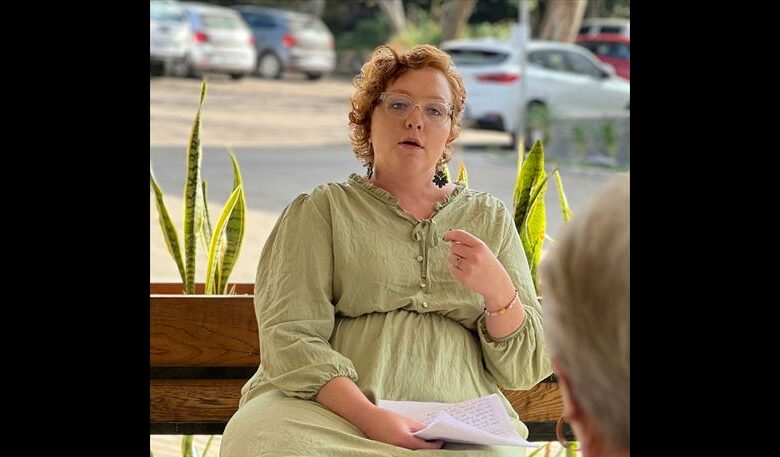
Mid-South Coast nurse Monicke Venter is sharing her knowledge on diabetes mellitus (DM) with patients and families to provide more awareness on this disease.
DM is a condition that affects millions of people around the world. While there is currently no cure, the good news is that diabetes can be effectively managed.
For many, a diagnosis of diabetes can feel overwhelming. However, it’s essential to recognise that diabetes is not something you suffer from; it’s something you learn to live with.
“This shift in mindset can make all the difference in managing the condition and achieving better health outcomes,” said Venter.
“Imagine diabetes as a lock-and-key system. In this analogy, the lock represents your cells, the key symbolises insulin – the hormone that allows glucose to enter your cells for energy – and the pancreas serves as the factory that produces these keys.”
Type 1 DM: Often diagnosed in children and young adults, Type 1 diabetes is an autoimmune condition where the pancreas stops producing insulin. This means that individuals need insulin replacement therapy right from the moment they are diagnosed. It can be tough to navigate, but with the right support, many lead vibrant lives.
Type 2 DM: This type usually develops in those aged 35 and older and can often be linked to lifestyle factors such as obesity, inactivity, and unhealthy eating habits. In Type 2, the pancreas still produces insulin, but the cells become resistant to it. The silver lining is that insulin resistance can sometimes be reversed with medication and lifestyle changes before it progresses to full-blown diabetes. With proper care and attention, many people manage Type 2 diabetes successfully with oral medications, and insulin may be added if needed.
Gestational Diabetes: Some women experience diabetes during pregnancy, which typically resolves after childbirth. However, it’s important to note that these women may be at a higher risk of developing Type 2 diabetes later in life.
When diabetes is not managed well, it can lead to serious complications, many of which may not be immediately visible. These complications can include damage to the eyes potentially leading to blindness, kidney failure, nerve damage, increased risk of heart attacks and strokes, diabetic foot ulcers and weakened immune system.
“It’s also important to be aware of hypoglycemia, which is when blood sugar levels drop too low. Recognising the symptoms such as dizziness, clammy skin, confusion, and irritability can help you respond quickly and effectively,” explained Venter.
HAVE YOUR SAY
Like the South Coast Herald’s Facebook page, follow us on Twitter and Instagram