Police talk learner safety at Sawoti school
In terms of travelling to and from school, map out with your children a safe way for them to walk to school or to the bus stop.
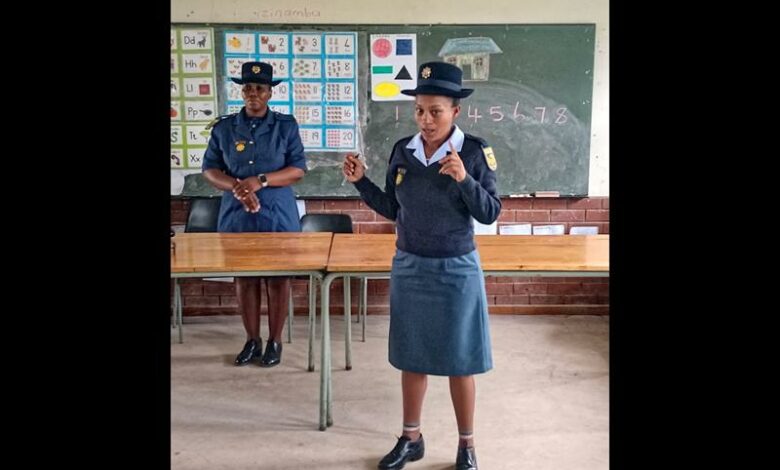
Mbungulu Primary in Sawoti welcomed a visit by Saps Sawoti Social Crime Prevention members on March 12.
This visit was done under the School Safety Project. Learners were made aware about walking home in groups, bullying, carrying dangerous weapons to school, and the safe use of social media.
As per Saps, sometimes children don’t tell parents/guardians right away if they are having problems at school. Instead, parents/guardians are advised to ask children if they see anyone bullied, if they are bullied, or if anything else makes them feel uncomfortable.
Look for warning signs, such as a sudden drop in grades, loss of friends, or torn clothing.
It is also important to teach children to resolve problems without fighting. Explain that fighting could lead to them getting hurt, hurting someone else, or earning a reputation as a bully. Talk to them about other ways they can work out a problem, such as talking it out, walking away, sticking with friends, or telling a trusted adult.
In terms of travelling to and from school, map out with your children a safe way for them to walk to school or to the bus stop.
Avoid busy roads and intersections. Do a trial run with them to point out places they should avoid along the way, such as vacant lots, bushy areas, construction areas and parks where there aren’t many people or adequate lighting.
Teach children to follow traffic signals and rules when walking or biking. Stress that they should cross the street at crosswalks or intersections with scholar patrols when they can.
Encourage children to walk to school or the bus stop with a sibling or friend, and to wait at bus stops with other children.
Teach children not to talk to strangers, go anywhere with them, or accept gifts from them without your permission. Tell them that if they see a suspicious stranger hanging around or in their school, they should tell an adult.
It is also advisable to help children memorise their phone number and full address, including the area code. Write down other important phone numbers such as your work and cell phone number on a card for your children to carry with them.
HAVE YOUR SAY
Like the South Coast Herald’s Facebook page, follow us on Twitter and Instagram