Trail cameras capture biodiversity of Munster’s forests
Camera footage has given the Munster Conservancy a new perspective on the wildlife in its forests, while also exposing the reality of poaching and the threat posed by wire snares.
Trail camera footage has highlighted the threat of hunting and wire snares to wildlife in the Munster forests, prompting a renewed community effort to protect the area’s biodiversity.
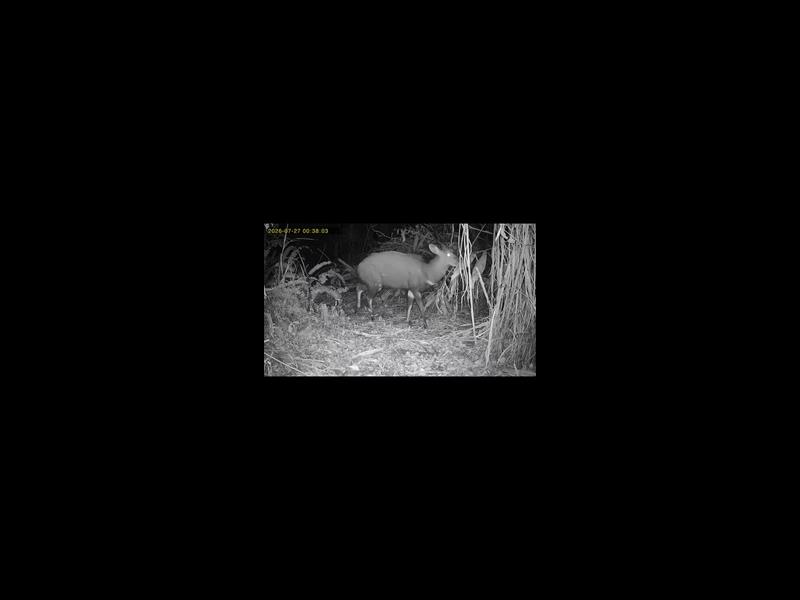
The Munster Conservancy has set up trail cameras at various locations in the forests for several months, capturing footage of bushbuck, porcupines, genets, water monitors, mongooses and several species of eagles.
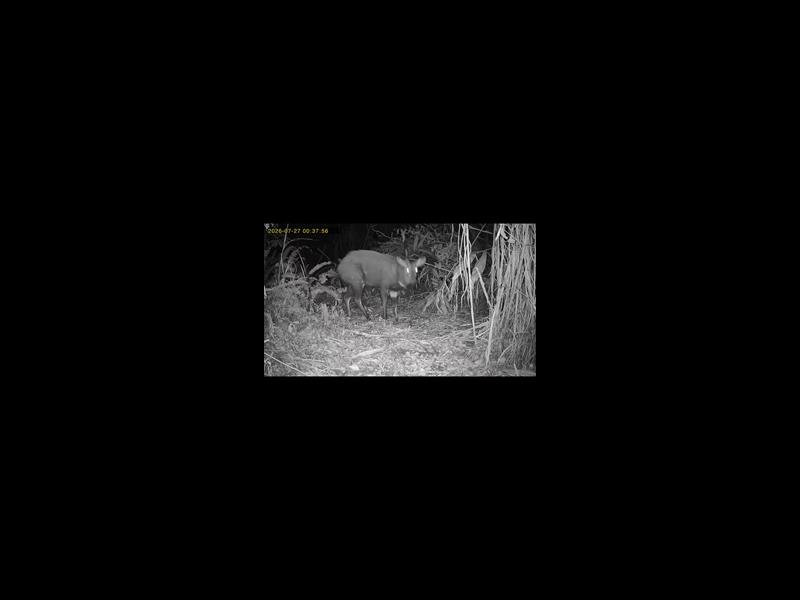
However, one recording raised particular concern when four men accompanied by eight or nine hunting dogs entered the forest.
One of the men appeared to be carrying lengths of wire commonly used for setting snares.
According to Munster Conservancy chairperson, Corrie Lotter, the footage brought the reality of poaching into sharp focus.
Within days, the conservancy met with the local Induna, who immediately recognised the hunting dogs involved.
He reaffirmed a long-standing understanding between the traditional communities west of the R61 and the coastal communities east of the R61: hunting with dogs is not permitted on the coastal side of the R61.
That agreement deserves recognition, as it reflects different communities are willing to work together to protect what remains of the shared natural heritage.
Lotter said wildlife does not recognise roads or community boundaries, making cooperation between neighbouring communities essential.
The conservancy has also connected with Snare Aware to introduce greater structure to community snare sweeps, with plans to develop an online mapping system to record the locations of snares removed and, eventually, GPS-tracked search routes.
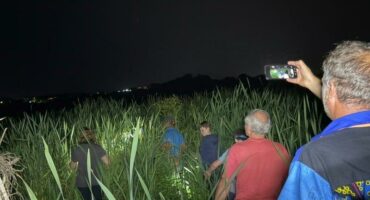
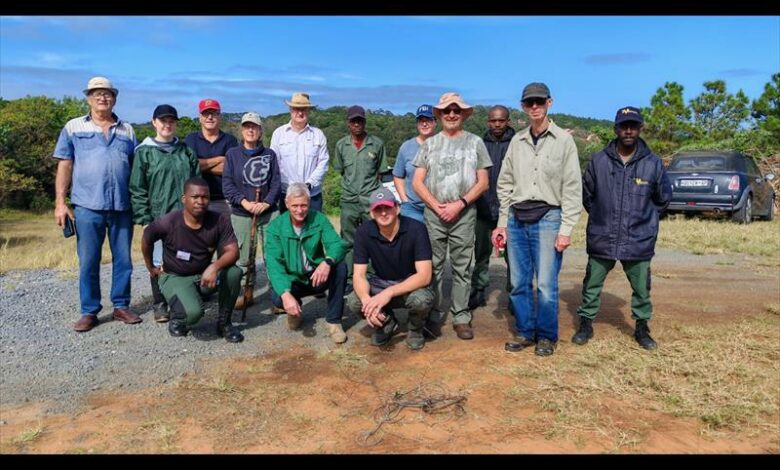
The initiative was put into practice last month, when residents from Munster, Trafalgar and Leisure Bay, together with Misalinx Security, searched a section of forest north of the Tongazi River.
Fourteen snares were removed in a little more than an hour.
“Every snare removed from the forest is potentially an animal spared that fate,” Lotter said.
Lotter credited conservationist Craig Hosken for his longstanding commitment to conservation, education and organised snare sweeps on the South Coast.

Craig has long been a stalwart of conservation on the South Coast, but even the most dedicated individuals cannot protect an entire region.
However, communities can.
Lotter said one thing the trail cameras have taught is that forests are still very much alive, but also incredibly fragile. “If we work together, regardless of our culture, language or background, we can ensure that future generations will still have the privilege of watching a bushbuck disappear silently into the forest, hearing frogs calling after summer rain, or looking up to see a crowned eagle soaring overhead.”
Those are moments worth protecting.
And perhaps that is exactly what our trail camera has done.
It hasn’t simply shown us what lives in our forests.
HAVE YOUR SAY
Like the South Coast Herald’s Facebook page, follow us on Twitter and Instagram