THE strange fishing practices of the black egret makes it a popular nature documentary subject. Many years ago, in a wondrous little natural haven called Marievale Bird Sanctuary, I was privileged to watch this oft-photographed star in action, in real life. Bill and I were enjoying a little time-out at peaceful Marievale Bird Sanctuary during a visit to family in frenetic Gauteng. My brother and sister-in-law had told us about this heavenly little spot near their home in Springs and it was our first visit.

We’d already seen an amazing selection of water and grassland birds but I have to admit watching the black egret was the highlight of that first visit. We were fascinated as the canny bird raised and spread its wings to turn itself into a black umbrella. Using its sharp, spear-shaped bill it suddenly jabbed at a fish that had been tricked into entering the shady spot the bird has created.
The snack was quickly swallowed and the bird turned itself back into an umbrella.

Since our dramatic introduction to Marievale we have paid it many visits and have developed a great fondness for it. In fact, when we visit our Gauteng family we never go home without at least a quick trip to the sanctuary so when we spent a long weekend in Gauteng recently to attend an aunt’s 90th birthday, we made sure we scheduled in a Marievale excursion.
Watery, marshy Marievale is an oasis of peace and tranquility right on the edge of South Africa’s most intensely urbanised centre.
About 1 000ha in extent, it is situated near Nigel, within the Blesbokspruit wetland, a Ramsar wetland of international importance. As it is one of Gauteng’s prime birding destinations and an absolute twitcher’s paradise, it is not surprising to discover it has been designated an Important Birding Area.

It is such a pretty spot, too. In winter it is wet and green and gloriously lush but on our most recent winter visit there was something very lovely about the contrast between the amber grass and reeds and the shimmering pools of open water. Well-maintained Marievale simply bubbles with life. It offers excellent birding from a network of roads running through it and from the five bird hides that have been erected at various vantage points.
The black egret, which we were fortunate to see again a few years later, is by no means the only birding special.
With its good mix of habitats including large wetland areas, shallow and deeper open water, masses of reed beds, soggy marshy areas and extensive grasslands this relatively small area boast a bird list of about 240 species.

Some 65 different water bird species can be found there including a selection of herons and huge populations of reed cormorants, red knobbed coots and yellow billed ducks. When we were there last time I ticked off both the red-billed and the Hottentot teal within a few minutes.
Specials include elusive species like the red-chested flufftail, Baillon’s crake and black-tailed godwit.
I’ve heard the slaty egret has recently been spotted there, too. My brother, who often visits Marievale, has seen marsh and grass owls and there are always a few interesting lbjs lurking in the grasslands. The sanctuary is also home to quite a few four-footed creatures, including reedbuck, jackal, Cape clawless otter, water and yellow mongoose, Cape hare and porcupine.

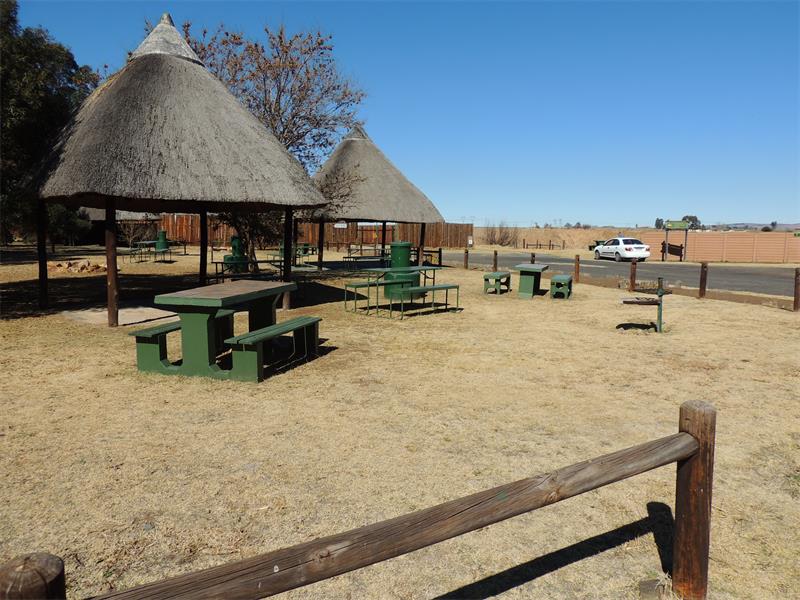
The attractive picnic site at Marievale is well-used and a pleasant spot to rest and recover after a few hours of intense twitching. There are also two attractive, well-equipped self-catering chalets that look very inviting and a 20-seater conference centre with a viewing deck. Perhaps the most amazing thing about beautiful Marievale, though, is its proximity to the crowded metropolis that is Johannesburg and its surrounding towns.
What bliss it must be for people who live and work in such a busy place to spend time in this very special haven.
It might be called a bird sanctuary but for many people who seek respite from the stresses and strains of modern city life, it must be a sanctuary for humans as well.

HAVE YOUR SAY
Like our Facebook page, follow us on Twitter and Instagram
For news straight to your phone, add us on BBM 58F3D7A7 or WhatsApp 082 421 6033