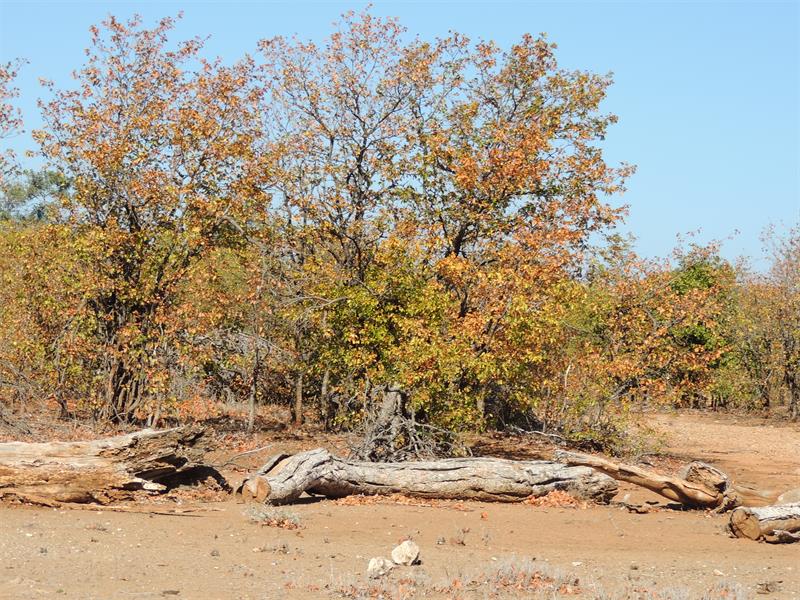
AS we left lovely Tsendze Rustic Camp we turned south, resisting a strong, almost magnetic northern attraction. In that direction lay two of our favourite rest camps, Shingwedzi and Punda Marie, not to mention Kruger’s wilder, less frequented and magnificently beautiful northern reaches, which we adore. This section of Kruger is supposedly less interesting from a game viewing point of view. Although the plains animals are more scarce, we have always enjoyed plenty of interesting mammal sightings, often of less common animals.
And, if you are a birder the northern section is a must
The scenery in the north is just too wonderful for word, too, and includes rolling mopani woodlands, Shingwedzi’s Redrocks route, Punda Marie’s hilly surrounds and the absolutely divine Pafuri riverine forests and fever trees. Sometimes, like on this trip, there just isn’t time to do Kruger, top to toe, but not exploring the magical northern regions somehow makes a Kruger trip seem incomplete. All the same, we were pleased with the mobility that our Kombi camper was allowing us. Although our time was so limited, when we had completed our trip we would have managed eight camps in just 11 days – quite good going. And that day, as sad as it was to reach the turning point in our trip, we were going to perhaps the most iconic of all the Kruger rest camps.

We were looking forward to spending two days at Satara, a dusty, busy but lovely rest camp set on the game-rich savanna plains of central Kruger.
Somehow, when you think of Africa, it is scenes like those around Satara that typically come to mind. This is ‘text book’ Africa, it is ‘out of Africa’ romance and it is the Africa of all our dreams and imaginings. Satara is also big cat county and it is the camp where you are most likely to be awoken from your slumber by the most African of sounds, the mighty roar of a lion, a never to be forgotten experience. With quite a long way to travel that day, we headed straight down the main road to Letaba day visitors’ area for breakfast, stopping for a fleeting look at a busy honey badger near the gate.

We wondered if it was the fellow who had visited us at our Tsendze campsite the previous night. There were quite a few elephants around and the further south we travelled, the more general game we saw. There was plenty of action from Letaba bridge, but nature’s cleaning squad had worked hard the previous day and had virtually disposed of the hippo carcass. A single hyena and a couple of vultures remained on site to finish the job.
We stayed on the tar and reached Satara around lunchtime – and what a lovely welcome awaited us.
Two exquisite African scops owls were happily posing for visitors in a little tree right next to reception. After signing in we walked through the reception building to the terrace beyond the restaurant. It overlooked a waterhole and, beyond that, the grey, flat, dusty Satara plains. An elephant was sashaying across the veld, almost within touching distance of the people standing watching him at the fence. Further off, a small herd of wildebeest was making its way to the waterhole. It was so very good to be back in Satara.

After watching the action at the waterhole for a while we drove to the camping area, now dry and hot as many of the trees were still leafless and lacking their generous summer shade. Satara camping area is much prettier in summer, but even in the drier months there is something so magical about it. It is large and busy but it really has a wild feel about it, party because of all its resident or visiting avian and mammal camp followers. As usual, it proved a noisy camp, filled with bird sounds.
There was a constant susurration of chattering starlings, overlaid by piercing hornbill calls and the strange crooning of the mourning doves. Two other avian species that I always associate with Satara, the buffalo weavers and the parrots, announced their arrivals noisily soon after we starting setting up our tent.

We had various camp chores to do so we stayed put that afternoon, watching an assortment of birds and (dare I say) a band of banded mongoose coming along to drink at our little portable birdbath, a plastic pot plant drip tray. When the heat of the afternoon began to dissipate we set off on a little evening excursion, travelling west along the H7 towards Orpen then doing the little gravel triangle formed by the S40 to Girivana Dam, the S12, back to the tar, then east back towards Satara, stopping at Nsemani Dam for the rest of the evening. Nothing much was happening and the area was very dry but it was so peaceful out there that we lingered until it was nearly gate closing time.
Back in camp, we did have an exciting game viewing experience after all.
A beautiful African wild cat walked slowly through our campsite and sat grooming itself on a mound of sand next to the road. They are such beautiful creatures but being nocturnal they are so seldom seen in our game parks.
We didn’t see any genets or bush babies during our stay, which is unusual for Satara, but the night echoed with the calls of an assortment of owls. We didn’t linger too long round our braai fire that evening as the next day would be a busy one and we wanted to be up early to do the famous and almost always productive S100. As any Krugerphile will tell you, linking it with a quick look at Gudzani Dam then a stop at the N’wanetsi picnic site and outlook, before returning to camp via the H6 forms probably one of the most exciting game viewing routes in Kruger.
We went to sleep with a sense of happy anticipation.
HAVE YOUR SAY
Like our Facebook page, follow us on Twitter and Instagram
For news straight to your phone, add us on BBM 58F3D7A7 or WhatsApp 082 421 6033