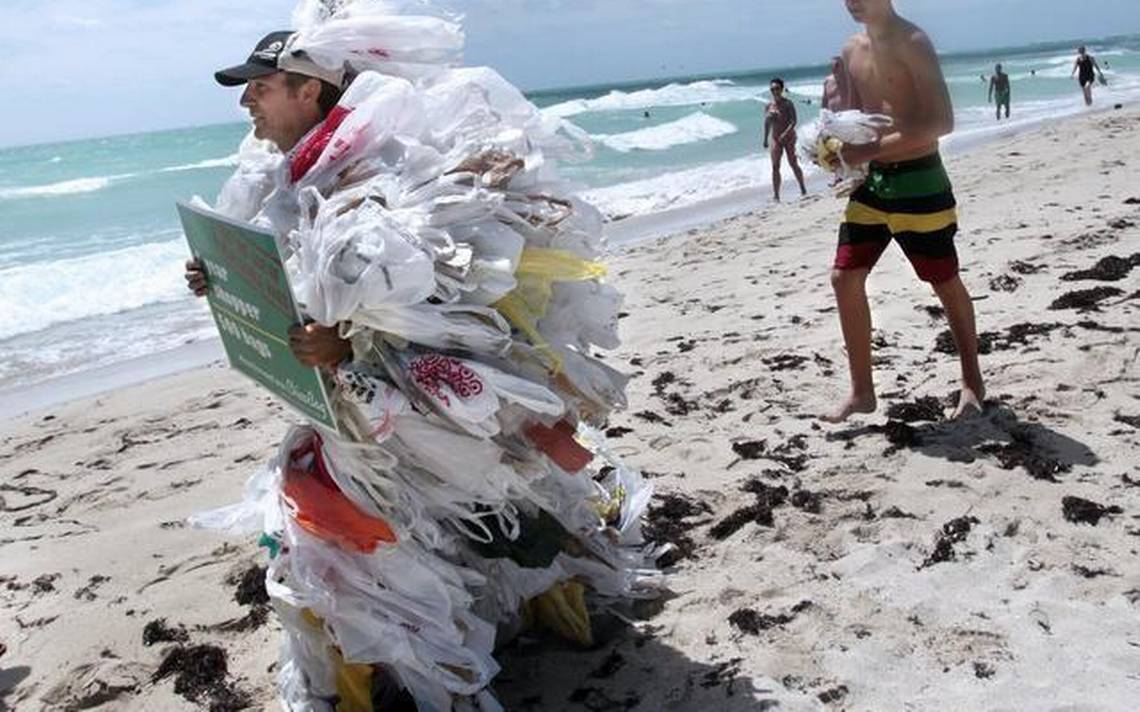
A NUMBER of interesting points have surfaced just lately in support of the old rallying call of reduce, re-use and recycle.
Firstly, there is the use of recycled material, basically plastic, in the manufacture of school desks and chairs.
The project involves the schools themselves, many of which have their own recycling programmes, including plastic, which is then sold to companies that use such recyclable materials, with the funds going directly back to the schools.
Now, the schools pass on the plastic waste, which is sent up to Johannesburg where a company processes it and manufactures planks out of it.
These planks then come back to a plant just outside Pietermaritzburg which produces the desks and chairs, which then go back to the schools that collected the plastic in the first place.
The desks and chairs are pretty much indestructible and can also be used for outdoor classrooms. Very much a win-win situation.
Outside tables and benches made from recycled compressed plastic have been with us for a long time.
Apparently it takes something like 20,000 plastic bags to make a single bench, but that would be 20,000 plastic bags that did not make it into landfill sites or worse, onto roadside fences around the country too often described as the national flag.
Those tables and benches, by the way, are pretty much indestructible (although local vandals have even managed to achieve the seemingly unachievable by damaging them), they are going to last a lifetime and they are locally available.
Then there is recycled plastic wood, a new product that looks like wood, feels like wood and handles like wood, but which is made of plastic.
It has a host of advantages over wood (and having lived in a wooden house for 12 years and with wooden floors most of my life, I can appreciate that point), is reasonably priced and is also locally available.
The advantages of recycling are fairly obvious in the community in which we now live.
We have reduced, re-used and recycled most of our lives, various local governments have set up systems that have worked or not worked, depending on a number of factors, but now things can be seen to be different and largely successful.
About two-thirds of the community is already recycling and the number is growing.
On average about 320kg of recyclable material is collected every week and this is sold to a local recycling operation for 50 cents a kilogramme.
No glass is collected, that goes into the usual bottle bins.
At the recycling plant the material is separated into different grades of paper and cardboard and plastic, and then metals, like cans.
This is then baled and sold to those operations that use the recyclable materials, like the makers of plastic benches and tables, for example.
The money earned by the community for its efforts is ploughed straight back into essential community services.
It’s very much another win-win situation.
So, reduce, re-use and recycle, it can be very rewarding, literally.
Thanks and cheers.
HAVE YOUR SAY
Like our Facebook page, follow us on Twitter and Instagram
For news straight to your phone, add us on BBM 58F3D7A7 or WhatsApp 082 421 6033