SOME time ago when we were staying with my cousins in London, they drove us down and through the Cotswolds.
It was a lovely day out, including ambles through ancient villages and lunch in a riverside pub.
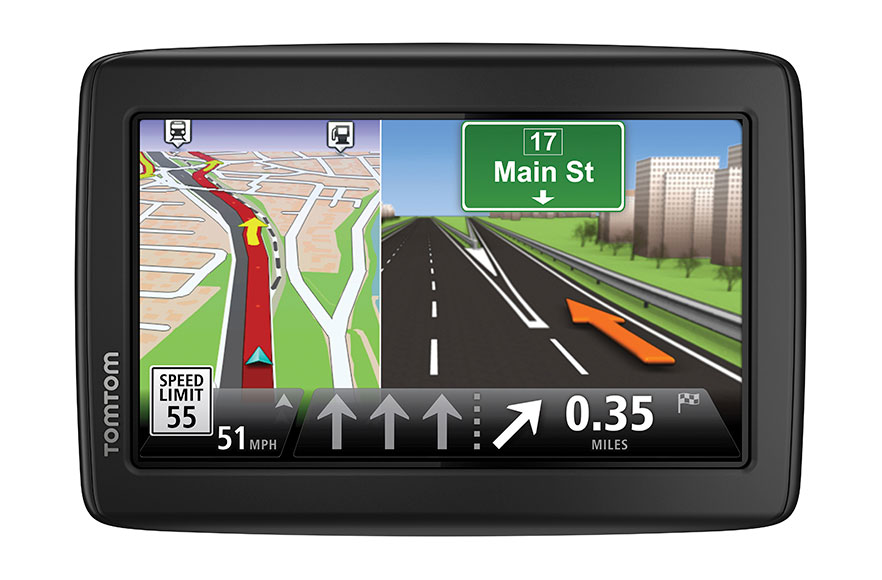
However, one of the top attractions of the day was my cousin’s in-car GPS navigating system, I think he called it a Tom Tom.
As we left London he punched in a destination in the Cotswolds and the Tom Tom did the rest (this was before driverless cars so my cousin still had to do the actual driving bit).
I was amazed when we arrived at our destination without once referring to a road map, which to me has always been an essential part of motoring, with my wife as navigator.
When we drove home, my cousin punched in their home address in north west London and Tom Tom did the rest.
As we turned into their road Tom Tom announced in her (despite being called Tom Tom it was very definitely a woman’s voice) dulcet tone, “You are 200 yards from your destination”.
We knew that of course, and exactly 200 yards later she announced, rather unnecessarily I thought, “Turn sharp left,” (into their drive), “you have arrived at your destination”.
On a very much more serious note, this is all leading up to an article I read recently on this subject, entitled, ‘Death by GPS’.
Apparently several people have come to grief because they set too much store by their in-car navigation systems.
One couple left home in Canada’s British Columbia for Las Vegas. Two months later, hunters in the desert mountains of Nevada found the wife, starving and virtually dying.
Her husband was never found.
In another incident a young mother and her son were taking a drive through Death Valley National Park in California.
A week later rangers found her, but her son was already dead.
There are other stories: in Yorkshire in England a driver followed his GPS until it was about to guide him over a cliff and into the sea; in Italy, Swedish tourists punched Capri into their GPS and ended up in Carpi in northern Italy; in Belgium, a woman headed for Brussels, but ended up in Zagreb in Croatia; in Australia Japanese tourists drove their car into the sea, they had punched in an island destination; back in the States a woman drove her car into a lake because her GPS told her to.
There are many reasons for such incidents, and far from all of them involve blind faith or plain stupidity.
The GPS if removed from the car (if you decide to walk for help) can run out of power; they may be following roads that have been closed or down-graded since its information was downloaded, they may be incorrectly installed; they may be fed the incorrect information; they may be misunderstood (Murphy’s Fourth Law: when everything else fails, consult the manual).
Most importantly, scientific research has shown that there is very little in the way of computers that can beat the human brain when it comes to logic. So, when in doubt, stop and give it some thought.
Source: The Week: the Best of the British and Foreign Media.
HAVE YOUR SAY
Like our Facebook page, follow us on Twitter and Instagram
For news straight to your phone, add us on BBM 58F3D7A7 or WhatsApp 082 421 6033