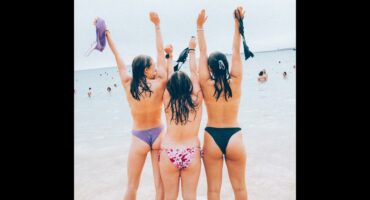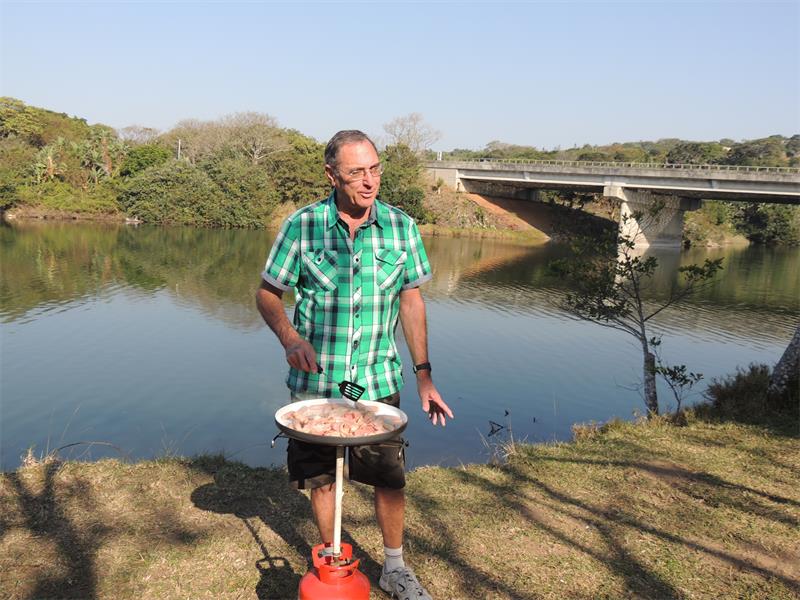
THERE are not many attractive and safe tourist destinations where families can combine an outing to the beach with an eco-excursion, but Mpenjati Public Resort and Nature Reserve fits this bill perfectly. This attractive Ezemvelo KZN Wildlife resort is situated on the shoreline, not far south of the popular Hibiscus Coast holiday town of Margate, sandwiched between the little seaside towns of Trafalgar and Palm Beach.

The lazy Mpenjati River bisects it. On both banks of the river there are picnic spots and various visitors’ facilities including ablution blocks and braai facilities. The children’s playground makes the northern bank picnic area attractive to big family groups. Not surprisingly the 66Ha reserve is a big hit with picnickers, nature lovers and fishermen. It can be quite crowded over the weekends.
The sparkling river mouth and pristine beach provide a beautiful setting for this green and peaceful place.
One of its chief attractions, though, is its magnificent slice of intact dune forests, boasting magnificent old trees and making it an absolute tree hugger’s delight. Walking trails have been laid out in both sections of the reserve. The 1.8km Yengele Trail, in the northern half of the reserve, meanders through the spectacular dune forest and provides panoramic views of unspoilt coastal dunes and the river mouth. The Iphiti Trail, on the southern side, skirts the beach and is about 1,2km in length. Both trails offer magnificent views from wooden observation platforms.

An interesting mix of habitat includes wetlands, grasslands, riverine and dune forest, unspoilt beaches and marine and freshwater areas. Because of this, it is a great birding magnet offering twitchers an enticing bird list of 222 species, including a good selection of endemics and specials. Winter is a particularly good time for sea-bird watching from Mpenjati’s shoreline. Serious birders are sure to tick off some interesting sightings if they try out the trails, but armchair birders and beginners are assured of some lively twitching from the comfort of the shady picnic areas.
The reserve also has some charismatic mammalian residents, including vervet monkeys, Cape clawless otter, large-spotted genet, large grey mongoose, bushbuck and common and blue duiker, some of whom are likely to be spotted by walkers when try out the trails.
In short, the easily accessible little reserve is the perfect spot for a family picnic and a bit of effortless communing with Mother Nature. However, from an environmental point of view, there is an even more compelling reason to preserve this coastal reserve. It already adjoins the Trafalgar Marine Reserve, at present South Africa’s smallest preserved marine area. However, there are plans afoot to integrate it into a much bigger conservation project.

As part of government’s fast-track development programme, Operation Phakisa, which includes the unlocking of the oceans’ economic potential, Government has proposed the formation of 21 new Marine Protected Areas, or MPAs as they are usually called. These include the new Protea Banks MPA offshore from the South Coast, which will incorporate little Trafalgar Marine Reserve and Mpenjati’s lovely shoreline.
There has been widespread applause in green circles about the proposal to create the MPAs.
Environmentalists have pointed out that MPAs will help to build up spawning stocks of commercially important species within their boundaries. As for local recreational fishermen, they will be pleased to know it has been well documented that MPAs increase catches outside the boundaries. MPAs don’t only protect fish species. They provide humans with a number of important services such as coastal protection, waste assimilation and flood management. If properly designed and managed, MPAs can play vitally important roles in protecting marine habitats and biodiversity .

The formation of the MPAs are on track and it looks like little Mpenjati reserve will soon be part of a valuable new conservation entity that will protect a large chunk of the South Coast’s precious coastline. It will not only help to preserve our valuable and threatened marine and coastal ecosystems, but will offer South Coast residents and visitors new opportunities for environmental education, better fisheries, nature-based recreation, income generation and opportunities for scientists to carry out marine research.
Mpenjati is a truly wonderful little place just as it is, but it is good to know that it is part of a much bigger conservation picture.
HAVE YOUR SAY
Like our Facebook page, follow us on Twitter and Instagram
For news straight to your phone, add us on BBM 58F3D7A7 or WhatsApp 082 421 6033