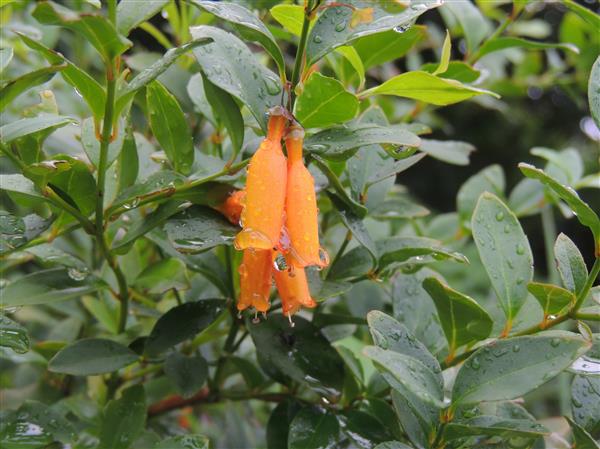
WEEDS are plants that are growing in the wrong place – and it is usually us humans who, knowingly or inadvertently, are responsible for these plants’ ill-chosen homes.
Left to their own devices in the places where they belong plants very seldom cause problems and are always beneficial to the environment of which they are an integral part.
In nature, all species, great or small and including homo sapiens, are interlinked, often in ways we can’t begin to understand, so when we start messing around with nature we can stir up all sorts of unforeseen problems.
By moving plants from their natural habitats to places or even countries and continents where they don’t belong we can upset the balance, sometimes disrupting whole eco-systems.
Take a look at South Africa’s long, worrying list of alien invasives and you will see just how troublesome plants can become when they are in the wrong place.
They can do great damage – and one species in particular is ringing alarm bells very loudly in our province.
It goes by the sinister but descriptive name of ‘famine weed’ and, alarmingly, it is starting to making its deadly presence felt in parts of KwaZulu-Natal.
Parthenium hysterophorus is listed as a category 1b Nemba alien invasive, which means that local property owners cannot plant or cultivated it.
This scary plant is capable of devastating farmlands and, as its common name suggests, has even triggered famine in some countries.
YOU MIGHT ALSO BE INTERESTED IN: The green, green grass of home
This troublesome species poses a threat to wildlife, domestic animals, tourism and even to people, causing extreme allergic reactions in both animals and humans. Animals grazing where the weed is growing suffer severe lesions around their mouths and on their limbs.
Cattle that consume the weed are not fit for human consumption and their milk becomes toxic.
Humans develop sores and blisters if they touched any part of the plant and workers eradicating it have to be very careful about wearing protective gear.
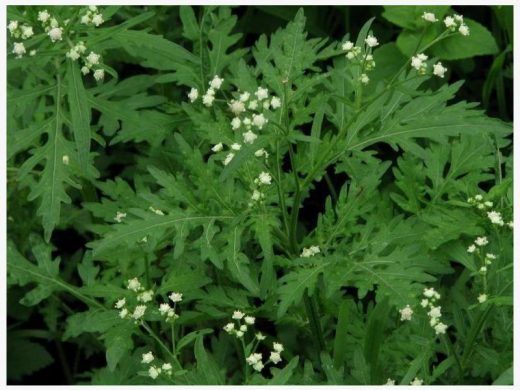
Famine weed can even trigger asthma attacks in humans, including adults and children who have never before suffered from this disorder. It is a nerve depressant and it causes allergenic dermatitis.
An annual herb from North America, this rapidly growing plant appears to be spreading along transport routes, as vehicles driving through a patch of the weeds can inadvertently disperse the seeds.
Adding to the problem is the fact that the seeds can remain viable for many years.
While spraying the weed is expensive and difficult, there is some good news on the horizon.
Parthenium hysterophorus has been subjected to biological control in Australia where insect agents and rust fungi have been successfully established, so South African may be able to ‘fast track’ the biological control of this menace.
If left to their own devices, in their right places, plants usually offer huge benefits to humans, animals, birds and insects.
One particularly useful species is my truly huggable Halleria lucida tree, often affectionately known as Hilarious Lucy in indigenous gardening circles. I call mine ‘the giving tree’ because of its bountiful generosity to all creatures, great and small.
My ‘Lucy’ seems to have found the perfect spot in my garden because she is much taller and rounder than most of the Halleria lucida trees I’ve seen in wild places.
In autumn, she covers herself with simply masses of bright orange flowers that mostly grow on her older wood. There are so many blooms that there is usually a downy, bright orange carpet around her base.
YOU MIGHT ALSO BE INTERESTED IN: Goosebumps, goose foot and a black-eyed maiden
As soon as her floral display starts the word gets around the neighbourhood and her branches are filled with grateful sunbirds, other nectar loving avians, bees and insects.
This in turn attracts the insect eaters who quickly join the party. When the flowers turn into a feast of juicy black berries, the fruit eaters arrive and gorge themselves on the delicious fare. And even when the last berry drops off the tree the feasting continues.
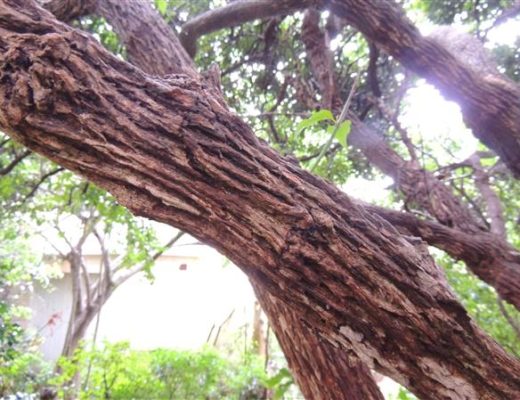
Plenty of birds hunt the insects that hide in the cracks of her grey-brown fissured bark and little white-eyes regularly spend time in her higher branches, combing the attractive green leaves for the tiny insects they like to eat.
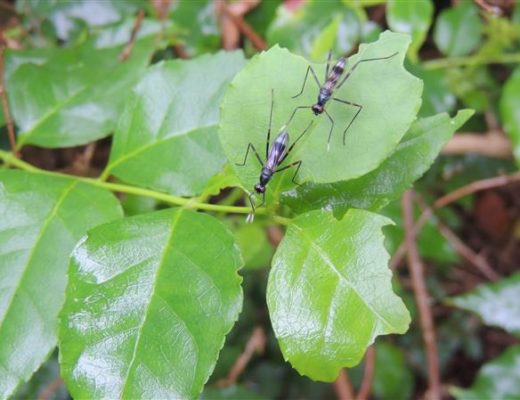
From a human point of view this tree is well worth cultivating. What with her flame-coloured flowers, black fruit, attractive bark and glossy green crown, Lucy is one of the best looking trees in my garden.
Halleria lucida sapling are fairly easy to find as they are stocked by most nurseries who sell at least a few indigenous species.
Buying one and planting it in your garden would be a wise investment.
HAVE YOUR SAY
Like our Facebook page, follow us on Twitter and Instagram
For news straight to your phone, add us on BBM 58F3D7A7 or WhatsApp 082 421 6033