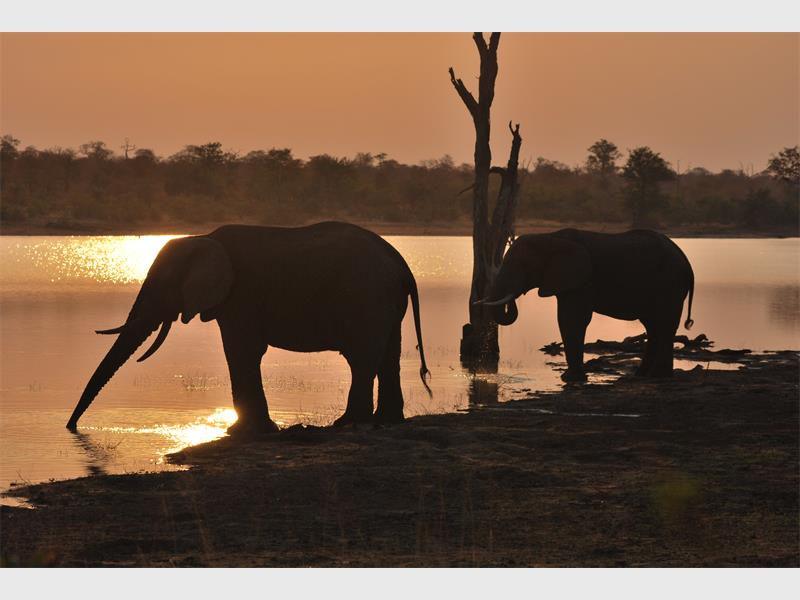
IN our parkrun tourist quest to complete parkruns at 20 different venues in South Africa by the end of this year Bill and I managed to tick off another last week – and what an absolute joy it was.
We did a day trip to Umhlanga Rocks to complete the parkrun that this town hosts every Saturday morning at 8am.
It was a fairly easy run along the almost completely level paved walkway alongside the shore, but it was the beauty of the route that made it so special.
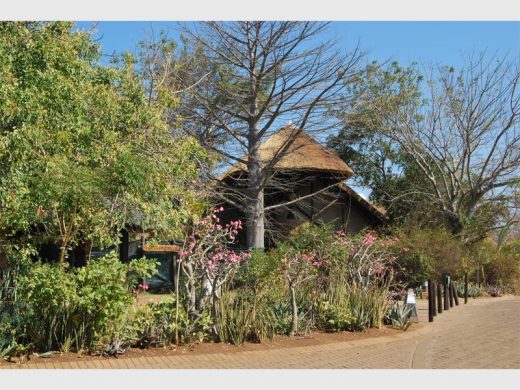
The walkway overlooks the beach and weaves its way through magnificent gardens of mostly indigenous plants.
The densely planted beds of thick ground covers, trees, aloes and shrubs keep the pathway cool, pleasant and oh so pretty.
They also do a wonderful job of showcasing the beauty and diversity of the tough but colourful salt- and wind- resistant plants that make up our natural coastal vegetation.
More cause for celebration, though, is the fact that this healthy wildlife- and human-friendly green corridor grows at the foot of dense clusters of high-rise building in a thoroughly urbanised environment.
It is living proof that we can accommodate Mother Nature wherever we live, even in our cities.
In pursuit of our parkrun tourist goal, Bill and I have some breaks planned for the next few months and we are planning more extended tent travels later in the year.
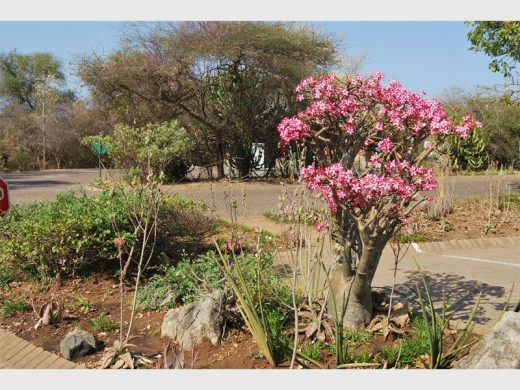
We are already drawing up the itinerary for a camping trip that will include a short visit to Botswana and to a couple of lesser known South African National parks.
While poring over our notebooks, maps and travel guides, I have once again realised how lucky we are to live in South Africa.
Not many people realise that, apart from numerous provincial and private game and nature reserves, our country boasts an amazing 19 national parks.
YOU MIGHT ALSO BE INTERESTED IN : Tent Travels: Wonders of the Western Shores
These are administered by Sanparks, an excellent organisation that does an almost miraculous job of maintaining these parks and keeping human visitors happy.
Over many years of trundling our tent around South Africa, Bill and I have been privileged to have visited each and every single one of these fabulous pieces of wilderness.
Some like Kgalagadi Transfrontier Park, Addo Elephant National Park and the Sanparks flagship, Kruger National Park, are huge, popular and world-renowned.
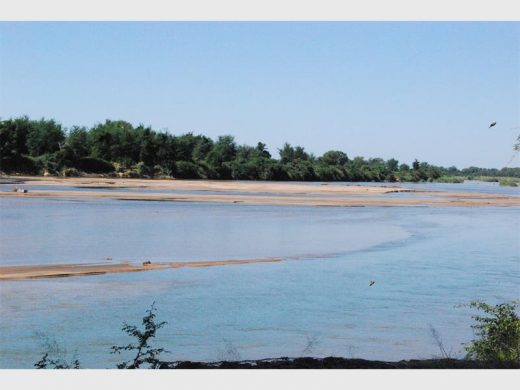
Some, like Mountain Zebra are smaller and not so well known. All 19 parks offer superb wildlife experiences and top quality hospitality, but each one is unique, has its own character and is absolutely spectacular in its very own way.
Together, the Sanparks stable offers a variety so amazing it surely couldn’t be rivaled anywhere else on earth.
While I bide my time before our next chance to do some real-time travel, why not come along with me on a virtual journey of discovery to find out what makes each individual park so very special.
It is only fitting that we start with Kruger National Park, perhaps the best known of all the Sanparks game reserves. It is probably the park where many South African nature lovers first discovered the joy of spending time in wild places.
Visitors to this grand wilderness are almost guaranteed excellent game viewing and birding but sometimes I think it is what you don’t see at Kruger that makes it so special.
You see, Kruger is just such a huge slab of conserved wilderness, a pristine piece of Africa about 20 000 square kilometres in area, roughly the size of Wales.
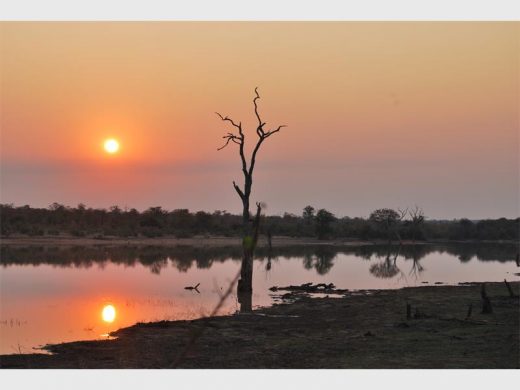
The route between Pafuri Gate, at its northern tip and Malelane Gate at its southern boundary, is 454km, a journey of about 18 hours.
Together with conserved areas and game reserves in Mozambique and Zimbabwe, this massive park is now also part of The Great Limpopo Transfrontier Park, in area some 35 000 square kilometres and one of the largest protected areas in Africa.
YOU MIGHT ALSO BE INTERESTED IN : Tent Travels: A magical corner of Kruger
For these reasons, it is quite possible to drive for an extended period without seeing much in the way of game. What makes a game drive so interesting, though, is that you never know what might be waiting for you around the next corner.
Just as you are feeling a little sleepy or bored and are starting to lose your concentration, a Mr Spots might step out onto the road and cross it right in front of you.
You might suddenly find yourself in the middle of a traffic jam caused by a pride of lions dosing in the long grass a stone’s throw from the road – or you might just be lucky and have this amazing sighting all to yourself.
Imagine rounding a corner and finding a pack of those elusive painted wolves waiting to greet you. We’ve had that experience and what a thrill it was.
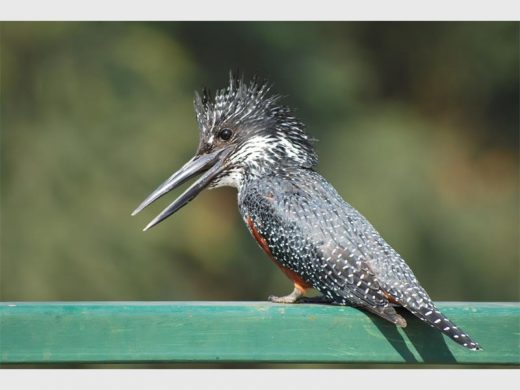
However, Kruger isn’t just about exciting game viewing. Given its size, it is not surprising that it offers amazing floral, faunal and topographical variety.
Situated in the well-watered eastern section of South Africa, it is a place of mighty rivers, valleys and broad, lush flood plains, undulating savannah, low, rolling hills, striking granite formations and hazy blue mountains.
The vegetation is as varied as the topography – bushveld, grassy plains, endless vistas of mopane woodlands and scrub, beautiful mixed woodlands, giant baobabs and regal riverine trees.
Tree huggers can look for more than 300 tree species in the park. With all this variety it is home to an amazing number of creatures great and small.
There are about 150 mammal species and visitors have a very good chance of spotting not only the big five but an array of fascinating little creatures.
It boasts a bird list of over 500 species, a reptile list of more than 100 species, about 50 different fish, about 35 amphibians and more than 200 types of butterflies.
The diversity extends to the rest camps, with each one having its special attractions and unique character. They are all so different that it is hard to have a favourite.
If you spend a short time in the park and are only able to include one or two rest camps in your itinerary, you will still have a wonderful time.
However, the best way appreciate the wonderful and varied chunk of wilderness is to drive the whole length of it, as slowly as possible, spending time in as many rest camps as you can.
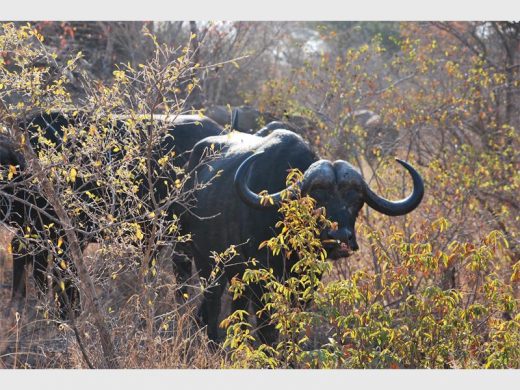
When you have done that, repeat this journey as often as you are able, in many different seasons over the years.
Kruger has so many moods and faces, changing with the seasons, the rainfall, the times. You always get the sense that you are only scratching the surface.
Truly, the wonder of Kruger is what you don’t see and it is these still-hidden treasures that keep you coming back to Kruger for more – and more – and more.
HAVE YOUR SAY
Like our Facebook page, follow us on Twitter and Instagram
For news straight to your phone, add us on BBM 58F3D7A7 or WhatsApp 082 421 6033