Many years ago, two little boys, who are now grown up and will remain nameless, were given BB pellet guns by an ill-advised relative.
Fortunately, they were both nature lovers and would never have hurt any creature with these so-called toys but they spent much of the long December holidays trying to hit targets with the little round pellets that came with the guns.
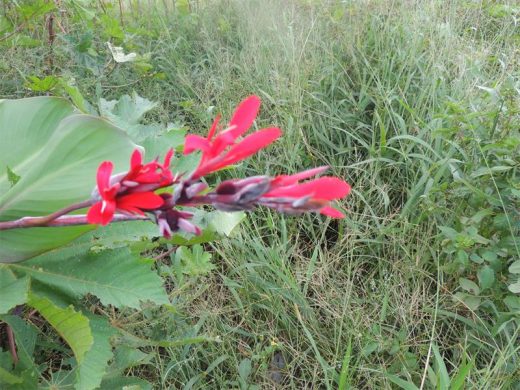
When their pocket money ran out they discovered a new source of ammunition, the round, black pellet-like seeds of the Canna indica plant, aptly known as Indian shot, growing profusely in an overgrown empty plot in the neighbourhood.
According to the Wildlife and Environmental Society of South Africa (Wessa) handbook on alien invasives, the seeds of this plant were probably used in old flintlocks when lead pellets were unavailable.
It wasn’t long before they had seeded my garden with a marvellous crop of this tough perennial plant and it took me years and years to get rid of this pest, now categorised as a Nemba 1b invasive.
This means property owners are not allowed to harbour this sneaky invasive in their gardens. This does not apply to the showy cultivated cannas that are popular and colourful garden plants.
It is only Canna indica that has been declared an invasive weed, thanks to it propensity to invade stream banks, forests and other natural areas, crowding out and destroying the natural vegetation there.
Its leaves look very like the ornamental cannas but it had a rather nondescript little flower that you probably wouldn’t miss if you gave this plant the boot.
A genus that I really would miss in my indigenous garden is the Plectranthus, which, according to author and botanist Ernst van Jaarsveld, turns shade into glade.
His book, `The southern Africa Plectranthus’ beautifully illustrated by botanical artist Vicki Thomas, is one of my treasured possessions.
Here on the KwaZulu-Natal South Coast, we live in something of a Plectranthus hotspot, with many species, including a number of endemics occurring in and around our area.
I think it is almost obligatory for gardeners from this area to cultivate at least a few of these species.
YOU MIGHT ALSO BE INTERESTED IN : Invasives and Natives: The green, green grass of home
They are pretty easy to grow and only need a bit of pruning when they die back after their period of profuse flowering in autumn. Otherwise they need little care, although they can be rather thirsty.
Unlike most of my indigenous plants, they battle a bit during times of drought and appreciate a splash of water now and then when rain is scarce. In fact, I lost a few of these plants during the recent severe and prolonged drought.
There are so many lovely species – and some beautiful cultivars – to choose from that I don’t really know where to start. Perhaps my stoep jacaranda (Plectranthus saccatus) is the most eye-catching, with its beautiful blueish mauve blooms.
I had a plant that bore white flowers but, sadly, this was one of the drought victims
It is a very easy, very rewarding plant to grow as it spreads into those empty spaces under trees and flowers magnificently, truly turning shade to a wondrous fairyland glade.
Two other species, Plectranthus zuluensis, which has a pretty blue flower, and the pretty deep pink-flowered petiolaris, really love my garden.
Plectranthus ciliatus, with its purple-tinged leaves and white flowers, and Plectranthis fruticosus usually do well but have been set back a bit by the drought.
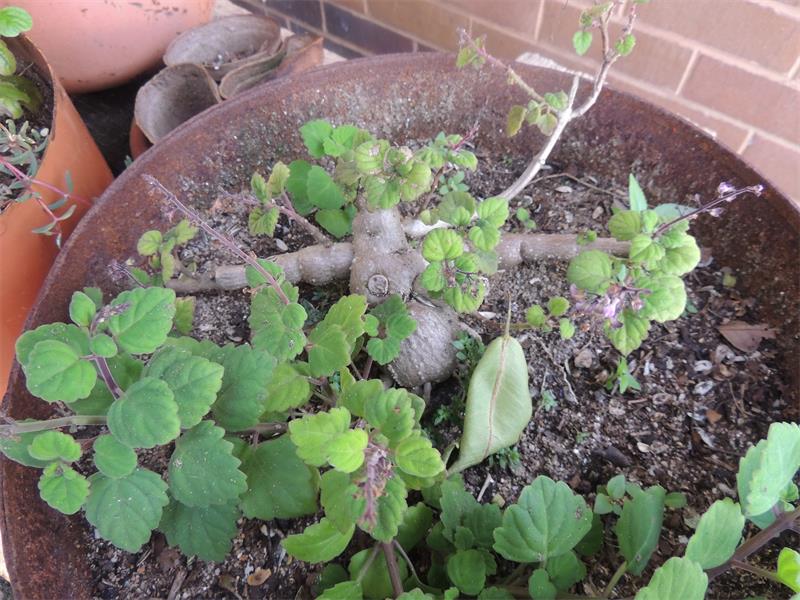
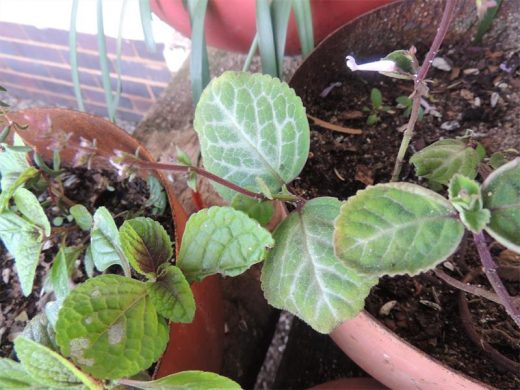
I recently acquired a gorgeous Plectranthus ernstii, which looks a bit like a bonsai tree and has pretty blue flowers. This and my silver-pattern leafed Plectranthus oertendahlii are treated like VIPs in my garden and are nurtured in pots.
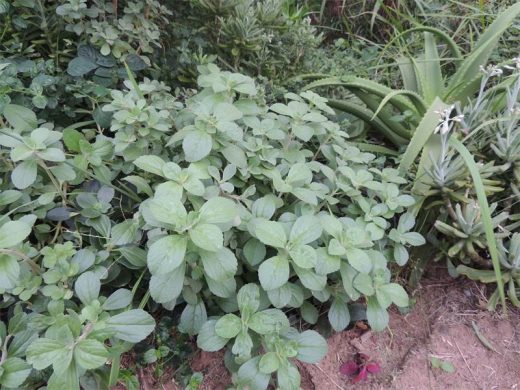
Unlike its cousins, the Plectranthus neochilus, with pretty blue spiky flowers, is a sun lover. It also likes lots of space so plant this easy-to-cultivate species where it has room to stretch and grow.
It is a wonderful ground cover for those troublesome spots in the garden and needs very little care.
YOU MIGHT ALSO BE INTERESTED IN : Invasives and Natives: An invasive daisy and a rare garden treasure
Plectranthus ecklonii is a pretty shrub that comes in blue-, pink- and white- flowering varieties, It,is often seen growing happily and providing pretty colour, under avenues of big trees, It seems to do well in everyone’s garden – except mine. Not sure why, but I will keep trying as it is a lovely garden subject.
Plectranthus, sometimes also called spur flowers, belongs to the mint family, which includes 36 genera, including the Salvia, Hemizygia, Leonotis, Syncolostemon and Pyncostachys – all interesting subjects for the South African indigenous garden.
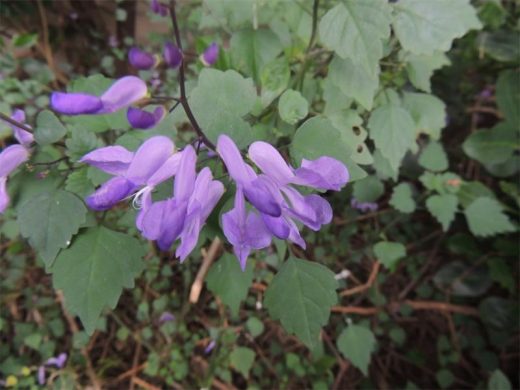
Look out for them at Durban’s annual Botanical Society indigenous garden sale and fair.
And if your garden lacks them make sure you buy at least a couple of spur flowers. When autumn comes around and your shade becomes multi-coloured glades, you won’t regret your wise purchases.
HAVE YOUR SAY
Like our Facebook page, follow us on Twitter and Instagram
For news straight to your phone, add us on BBM 58F3D7A7 or WhatsApp 082 421 6033