THIS Monday, May 22, is International Day of Biodiversity, but sadly I must report that one of the last true wildernesses and centres of biological diversity is under severe threat.
It is the Leusar eco-system on the Indonesian island of Sumatra.
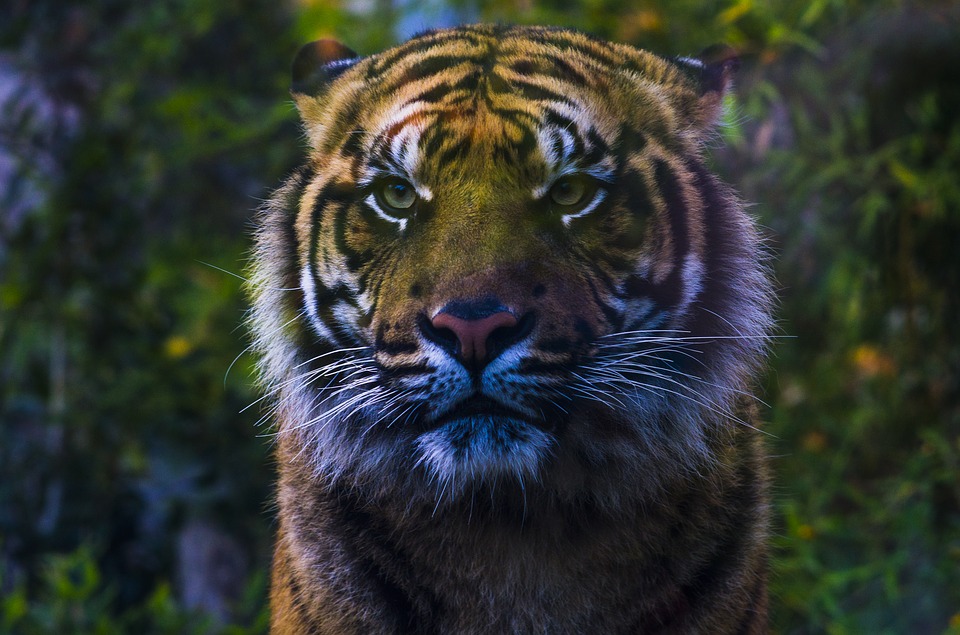
An article in the US News & World Report by a prominent environmentalist, Dr Ian Singleton, says the Leusar eco-system is rapidly disappearing, which is particularly bad because it is the only place on earth where species like elephant (I wrote about them recently), rhino, tiger and orangutan, all sub-species, live together with over 100 other mammal species, 382 bird species and 95 reptile and amphibian species.
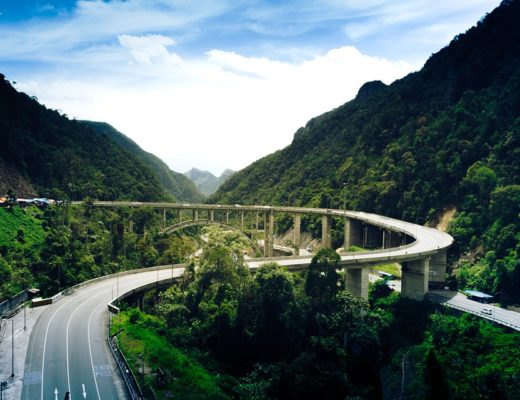
He says the area is covered with some of the world’s most ancient forest, which is being destroyed by the actions of giant corporations through logging, clearing for palm oil plantations (palm oil being a Western dietary fashion fad), mining and energy projects, as well as by the infrastructure such as new roads to support the industries.
Dr Singleton said that the irony was that the forest area is actually under official protection and is vital not only because of its biodiversity, but also because it helps to supply millions of people with fresh water and is a massive store of carbon.*
Further afield, an Australian-led team of scientists is researching the feeding habits and social lives of humpback whales in the Antarctic by attaching cameras and electronic tags to them.
They are gaining in-depth knowledge (pardon the pun) of the abundance, or lack of, deep sea krill, the main food source for humpbacks.
Analysis of the data being fed back to the scientists indicates the negative impact of global warming on sea temperatures and therefore the krill, and it also reveals details of the complex social lives of the humpbacks.
YOU MAY ALSO BE INTERESTED IN: Whale set free
The research is being backed by the World Wide Fund for Nature – Australia, and the International Whaling Commission.
The cameras detach themselves from the whales a day or two after they have been put in place, but the report does not say just how the scientists manage to get close enough to the whales to attach the cameras in the first place.**
Even further afield, in 2002 the British authorities succeeded in eradicating the many feral cats on Ascension Island in the South Atlantic (it is a UK overseas territory), because the cats were devastating the island’s unique bird population.
Now there is a new problem. With their major predator gone, the island’s rats are causing havoc among the birds, so it’s back to the drawing board for the Brits for a plan to eradicate rats.***
And finally, the refugee crisis in Europe is having negative impacts on wildlife too.
A report from Ljubljana says that the border fence that Slovenia has erected between it and neighbouring Croatia with the intent of controlling human migration, is affecting wildlife migration patterns too, like those of the brown bear, the grey wolf and the European lynx.
The lynx was successfully re-introduced in the area in 1973, the species having been wiped out earlier by human activity.***
*Save the Elephants News Service. **The Daily Maverick. ***The Week: the Best of the British and Foreign Media.
HAVE YOUR SAY
Like our Facebook page, follow us on Twitter and Instagram
For news straight to your phone, add us on BBM 58F3D7A7 or WhatsApp 082 421 6033