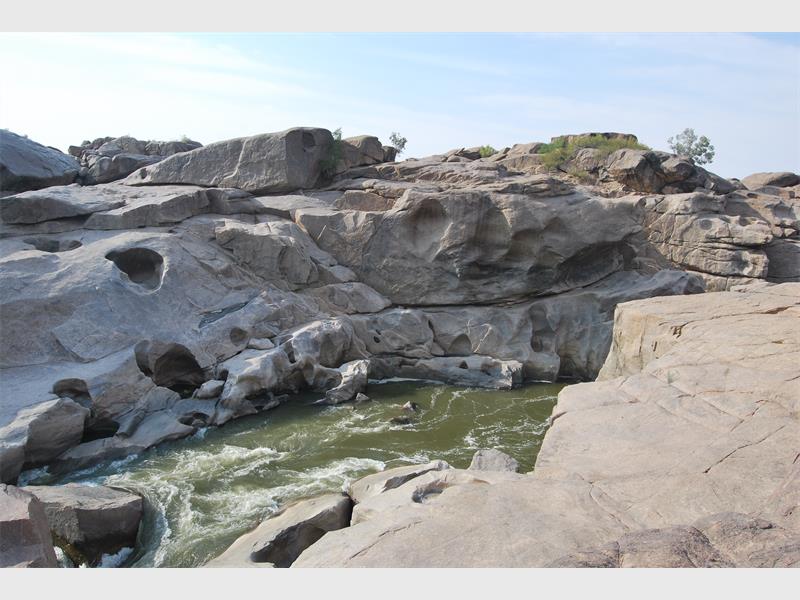
NORMALLY a placid river that meanders peacefully westward along its 2 200km course without too much drama, the Orange undergoes a change of character soon after it passes the Northern Cape town of Kakamas.
YOU MIGHT ALSO BE INTERESTED IN : Tent Travels: Our Mother City’s wilder side
At this point it divides itself up into a braided network of waterways that suddenly come together again in a tumultuous flood of water chandelled through the narrow passage the Orange has cut for itself through it solid granite surrounds. Then it thunders magnificently over a 90m abyss, dropping into and rushing through a rocky, steep-sided ravine for another 18km.
These are the spectacular Augrabies Falls and one of, but not the only thing, that make Augrabies National Park such a special place.
Augrabies is a corruption of a Khoi word that means, aptly enough,‘The Noisy One ‘. And noisy the falls are. Even in the camp site, quite a distance away from the falls, you are aware of a constant thrumming and a vibration beneath your feet.
The ‘noisy one’ is what initially brings the visitors here and they are the reason why the national park was proclaimed in 1954. However, this well established and richly endowed national park is far more than just a pretty frame for a famous waterfall.
Bill and I paid it a fleeting visit many years ago, then for some reason forgot about it. On revisiting it three years ago, we were simply blown away by the harsh beauty of this rocky, arid park. Why had it taken us so long to find out way back there?
We were also impressed with the rest camp, which had undergone quite a few changes since our first visit. It is a most attractive camp with magnificent indigenous gardens that show off the natural flora of the area.
I wonder if those gifted horticulturists, designers and hard-working gardeners who take care of the SANparks gardens know how much visitors enjoy their green creations.
When you book in take time to look at the photographic display near reception. There are some spectacular images of the river in flood.
Also, if you you have a spare minute or two, take a walk through camp to look at the gardens. Both features of this park give visitors a good idea of what it is all about.
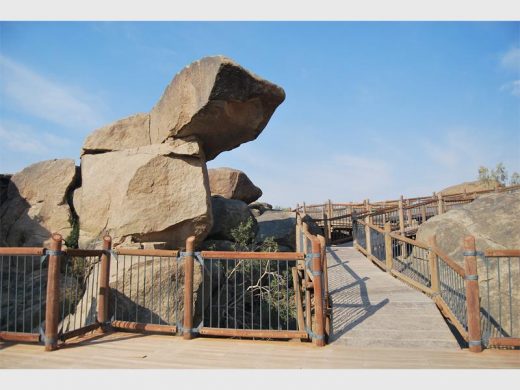
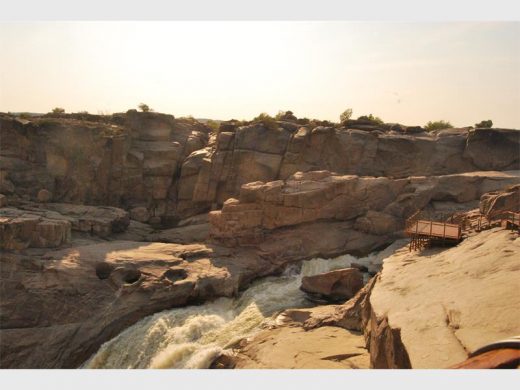
It takes a good few hours to explore the extensive and most attractive boardwalk system of pathways, steps and viewing platforms, offering lovely views of the falls and the golden rock formations through which the water pounds.
How artfully Mother Nature has sculpted her giant water feature! When we last visited the falls the
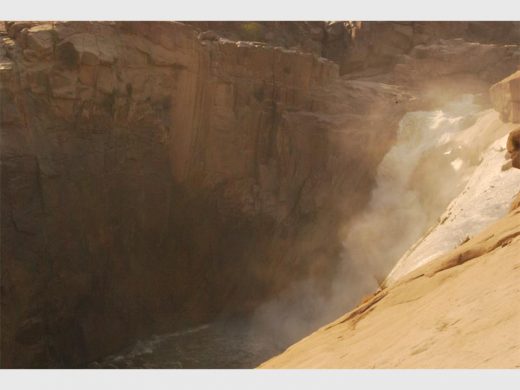
water was a bit low but there was still an impressive amount of it cascading over the polished, sun-baked rocks.
For a rather special experience take a walk to the view sites at night. The falls are illuminated for a couple of hours after dark and seeing them then lends a whole new dimension to the magnificent geographical feature.
If you visit the park, set aside a whole morning or afternoon to do the Quiver Tree Loop drive. There is quite a bit of game to see and the arid vegetation is striking but most impressive are the ever changing rock formations. It is such dramatic country.
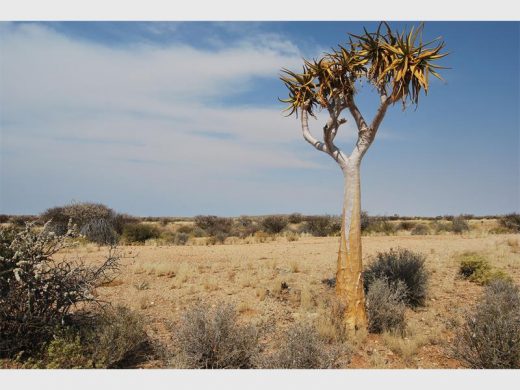
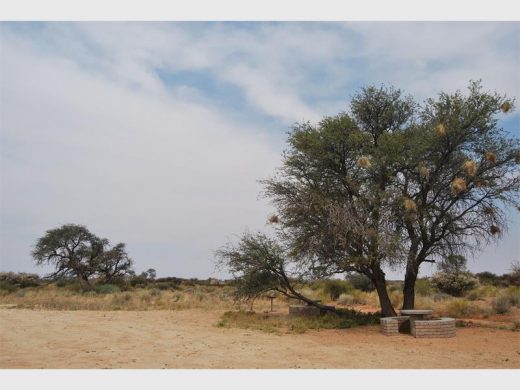
The turning point is a splendidly isolated, wonderfully remote picnic site, which we had all to ourselves when we did the drive. Do stop to admire the impressive stand of quiver trees nearby and take a look at the Orangekom view site, offering amazing views of the dramatic gorge area.
Take a pleasant walk to the summit of Moon Rock, a massive ‘onion-peeling’ granite dome, from where you will be captivated by the wonderful view of the park. Another feature to watch out along the Quiver Tree Look route for is Swartrand, with its weird black hills and ridges.
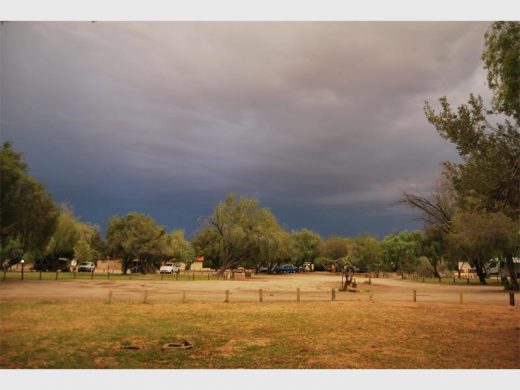
And finally, if you are feeling energetic, put on your hiking boots and try out the interpretive Dassie trail. It’s not for the faint-hearted, but it is reasonably easy if you don’t mind doing a bit of rock hopping and some scrambling over rough terrain. The 6km trail though some spectacular rocky areas took us about two hours.
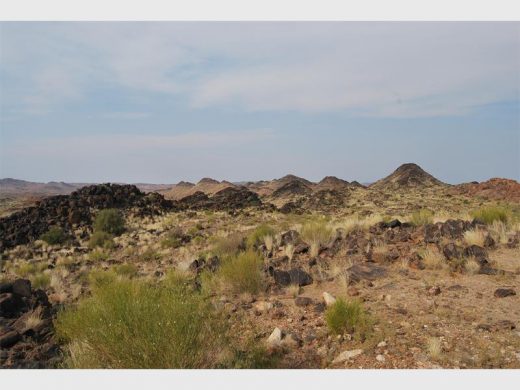
As you can see, this arid park is a very special place and it is well worth taking a few extra days to explore it when you set out to see the Northern Cape’s Orange River area, aptly known as the ‘green Kalahari’.
HAVE YOUR SAY
Like our Facebook page, follow us on Twitter and Instagram
For news straight to your phone, add us on BBM 58F3D7A7 or WhatsApp 082 421 6033