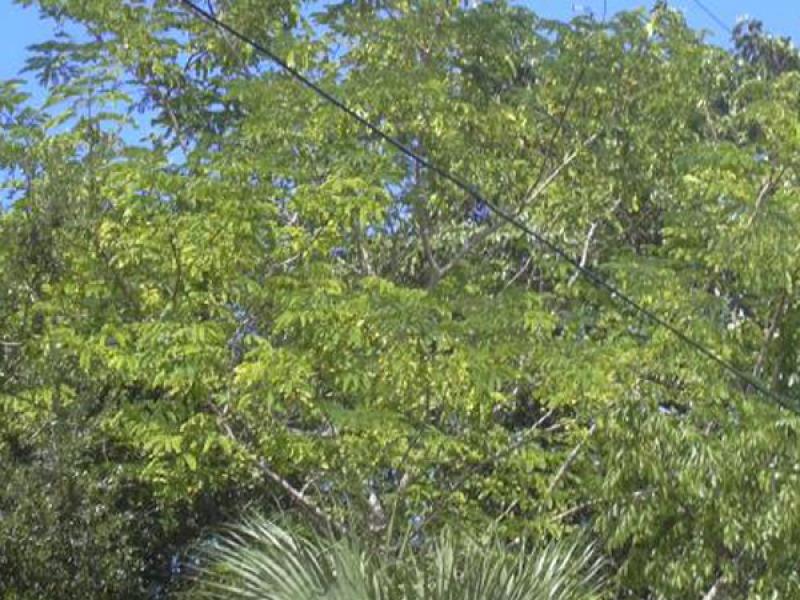
TWO attractive shade trees that belong to the Albizia genus, the lebbeck tree (Albizia lebbeck) and the false lebbeck (Albizia procera), have made South Africa’s alien invasive species list and are both categorised as Nemba 1b invasives.
That means, as attractive as they are, you are not allowed to grow them on your property.
YOU MIGHT ALSO BE INTERESTED IN : Invasives and Natives: Yellow bells and a scarlet winter treat
Brought into South Africa from tropical Asia as shade trees and for ornamental purposes, they have invaded coastal bush and river banks in KwaZulu-Natal. According to the Wildlife and Environmental Society of south Africa (Wessa) Invasive Alien Plants handbook, theses species compete with our indigenous plants.
As useful as these trees might seem as garden subjects they are easy to replace. There are some wonderful indigenous Albizias that will happily set up home in your garden, providing you with shade and enhancing the aesthetics of your property.
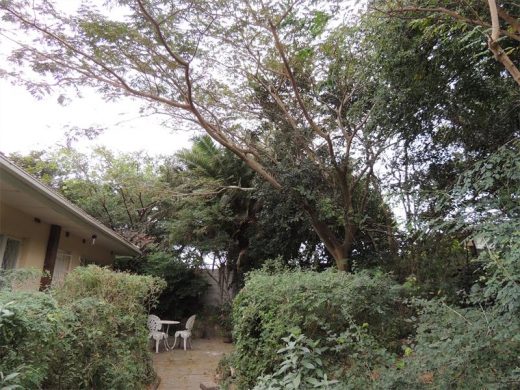
In fact, in the his book, ‘Pooley’s Trees of Eastern South Africa’ author Richard Boon lists no less than seven species that occur naturally in this region.
Of course, the one most people know is our gorgeous flatcrown (Albizia adianthifolia), which is such a signature tree in many of our wild areas.
It is a pioneer tree so it grows pretty fast, spreading out its crowns and supplying lovely light shade not long after it takes up residence in a garden. In winter, when its shade is not so welcome, it drops its feathery leaves and lets the sunshine filter through its dainty branches.
In summer it covers itself with rather pretty, scented white flowers then produces large, eye-catching pods that, according to Richard, are enjoyed by blue duiker. Elephant browse the leaves and the tree is the food plant of quite a few butterfly species.
It is also useful to humans as its light wood turns well on a lathe and can be used as flooring tiles, hut building, wagon building and firewood. Its leaves have some medicinal uses, too.
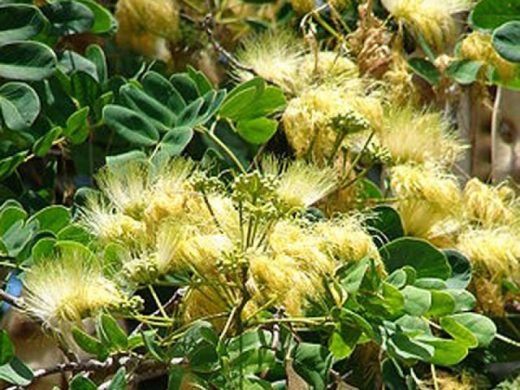
The Albizia anthelmintica, found in Maputuland, is also a medicinal plant as its bark and roots are used to concoct a worm remedy. In fact this tree’s common name is worm-cure Albizia.
Albizia forbesii is known as the broad-pod Albizia because of the eye-catching pods that stay on the tree for much of the year. It is rather special as it is one of the dominant trees in our Maputaland sand forests, which are fascinating from a floral point of view.
Albizia suluensis is another interesting species. It is listed as endangered and is endemic to the Hlabisa district in Zululand. That means this district is the only place on earth where it naturally occurs.
YOU MIGHT ALSO BE INTERESTED IN : Invasives and Natives: Knysna fires and the alien connection
The common name of the Albizia versicolor is the large-leaf Albizia but it is also sometimes known by the ominous name of Poison-pod Albizia. It is an eye-catching tree that provides good shade and its wood has a number of uses.
I don’t know much about the Albizia harveyi or bushveld albizia, which does not occur naturally in KwaZulu-Natal, but Richard says it is drought-resistant, useful for hot areas and is a good bonsai subject.
One of my favourite Albizias, perhaps because I associate it with a very special place, is the Albizia petersiana. Its common name is the many-stemmed Albizia and this aptly describes its sculptured form.
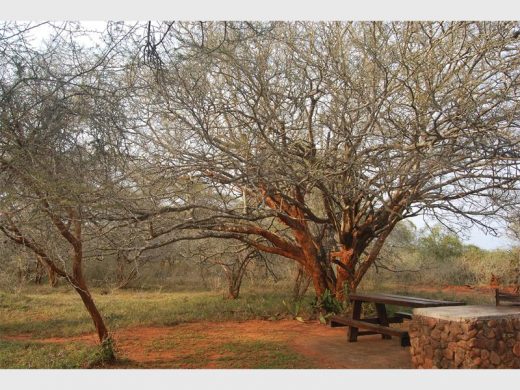
With its many twisty, twiggy stems and reddish spring leaves, it is hard to miss when you visit Ndumo Game Reserve in Maputaland. Look out for these trees when you visit the reserve’s Red Cliff’s picnic site, overlooking the Usuthu River.
HAVE YOUR SAY
Like our Facebook page, follow us on Twitter and Instagram
For news straight to your phone, add us on BBM 58F3D7A7 or WhatsApp 082 421 6033