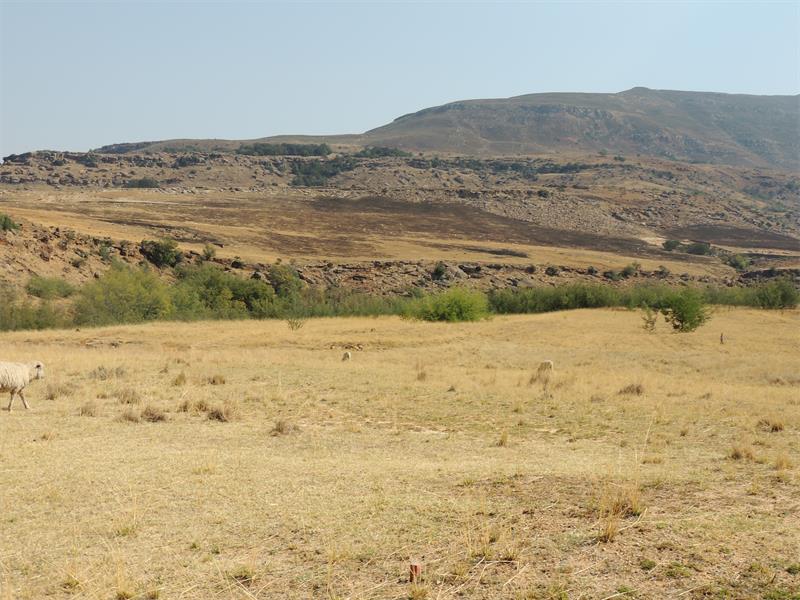
DRIVING home via the Eastern Cape mountains after a recent road trip, I found the natural beauty astounding.
However, there was a reason to be sad. At one point the road followed a pretty mountain stream that was almost completely choked by wattle for kilometre after kilometre, reminding me about how damaging alien invasives are to our waterways.
YOU MIGHT ALSO BE INTERESTED IN : Invasives and Natives: Trees with tales to tell
According to the Wildlife and Environment society of South Africa (Wessa) invasive alien plants handbook, these pests have a huge impact on our water supplies, affecting stream flow and choking rivers, dams and irrigation schemes.
Alien invasives also have a negative effect on water quality, hamper water sports and recreational activities and restrict the drawing of water for household and irrigation purposes.
The wattle trees that had invaded the stream were certainly not good news, unlike a South African relative of these invasive aliens that we often encountered during the western loop of our road trip.
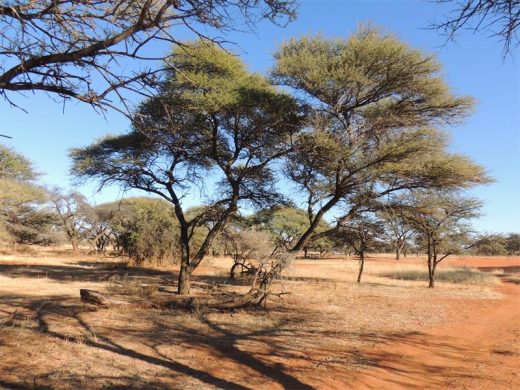
It goes by the Latin name of Acacia erioloba but is better known as the drylands’ famous camel thorn tree. It is very much a part of the landscape at Mokala National Park, which we visited during our road trip, so I wasn’t surprised to learn that that Mokala is the Setswana name for this tree.
The English name comes from the Afrikaans name Kameeldoring, which refers to the fact that giraffe – or kameelperd in Africakaans – likes to snack upon the leaves in spite of the tree’s pretty ferocious thorns.
These treees also provide nesting opportunities for birds, including large raptors, and even the tree mice that make their homes in the lovely examples of this species in Mata Mata camp in the Kgalagadi Transfrontier Park.
They are often the tree of choice for the apartment-block nest-building sociable weavers. To many herbivores their thick, ear-shaped pods are a valuable food source.
Beauty-wise these wonderful trees really come into their own towards the end of winter when they are covered in their bright spring leaves and hundreds of brilliant yellow ball-shaped flowers.
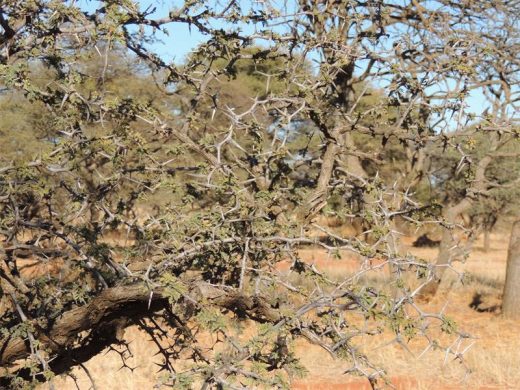
Sadly, a camel thorn would probably not be very happy in my well-watered KwaZulu-Natal garden. These hardy trees are well adapted to cope with drought and thrive in our drylands so I will have to visit the our dry western regions to enjoy the company of these iconic trees.
HAVE YOUR SAY
Like our Facebook page, follow us on Twitter and Instagram
For news straight to your phone, add us on BBM 58F3D7A7 or WhatsApp 082 421 6033