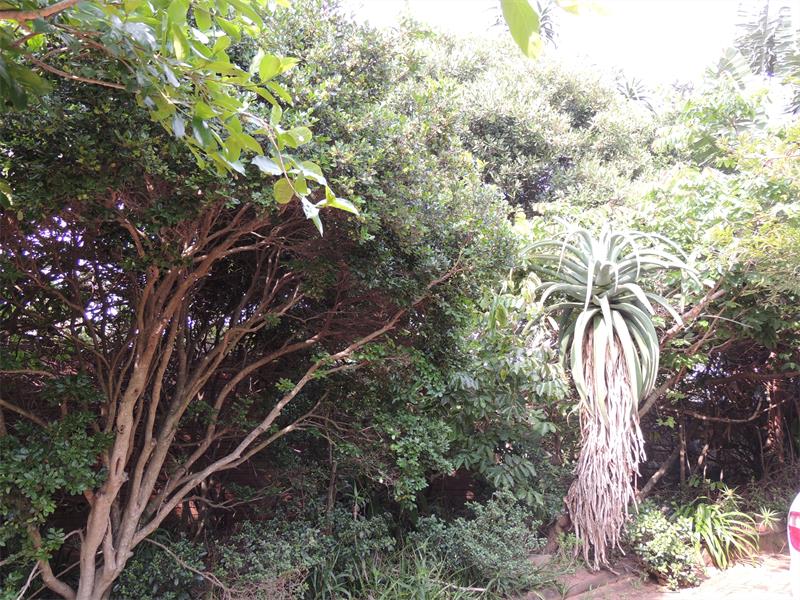
IT is always so sad to see how many of the South Coast’s little patches of remaining natural bush are slowly being swamped by invasive aliens.
Our local conservancies are doing a great job of evicting these invaders from some of the spots but they are generally so under-resourced – financially and when it comes to man power – that they just can’t rescue and rehabilitate all the badly infected areas.
YOU MIGHT ALSO BE INTERESTED IN : Invasives and natives: Cactus and succulent facts
Our natural bush is of great value as it provides a haven for our dwindling wildlife but our little patches have a reduced value because they are isolated. To bring them up to their full potential as wildlife havens we need to create green corridors to link them.
Interestingly, Ethekwini Municipality realised this many years ago and started implementing what it called its ‘D’Moss’ or Durban Metropolitan Open Space System as an integral component of its planning scheme.
D’Moss is a system of open spaces, some 74 000 ha of land and water, that incorporates areas of high biodiversity value, linked together in a viable network of open spaces or green corridors. Included in the system are nature reserves like Paradise Valley, Burman Bush and Kenneth Stainbank Reserve, large rural landscapes in the upper catchments and riverine and coastal corridors. Some areas of privately-owned land have also been included.
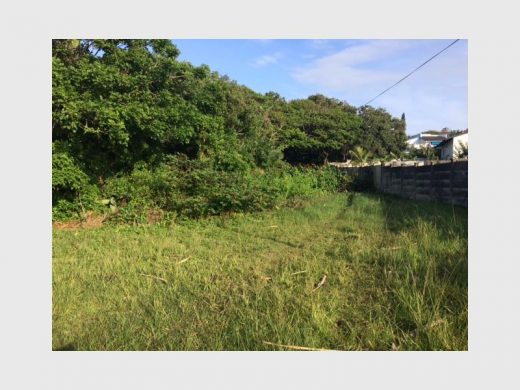
It would be wonderful if local conservancies had the resources to rid all our open spaces of invasive aliens, to restore the more degraded bits to their former natural glory and then to get together to link all the areas in the individual conservancies through the creation of green corridors winding through our suburbs. Not only would be it be good from an environmental point of view, but a beautiful green network, incorporating walking paths and outdoor exercise equipment and linking all our beauty spots, would be so good for our psychological and physical well-being..
In the meantime we as gardeners could help to set up networks and links for the safe passage and protections of our four-footed and winged residents. Firstly we could ensure our gardens were absolutely free of any invasive species so that our personal green places weren’t sources of infection, spreading invasives into our natural areas.
We could also increase the percentage of useful, indigenous plants in our gardens to provide food for birds, small mammals, caterpillars, useful insects and butterflies.
We could set aside densely planted exclusion areas in our gardens, quiet, peaceful places that would offer visiting wildlife protection.
Imagine, too, if we talked to like-minded neighbours then worked together to provide corridors for wildlife by connecting well-treed and thickly planted areas in our gardens and along our verges and pavements, if possible joining them up with open spaces in our neighbourhoods.
Above all, we could help win the war against invasives and help our conservancies to flourish by joining them and donating spare time, money and labour to their causes.
HAVE YOUR SAY
Like our Facebook page, follow us on Twitter and Instagram
For news straight to your phone, add us on BBM 58F3D7A7 or WhatsApp 082 421 6033