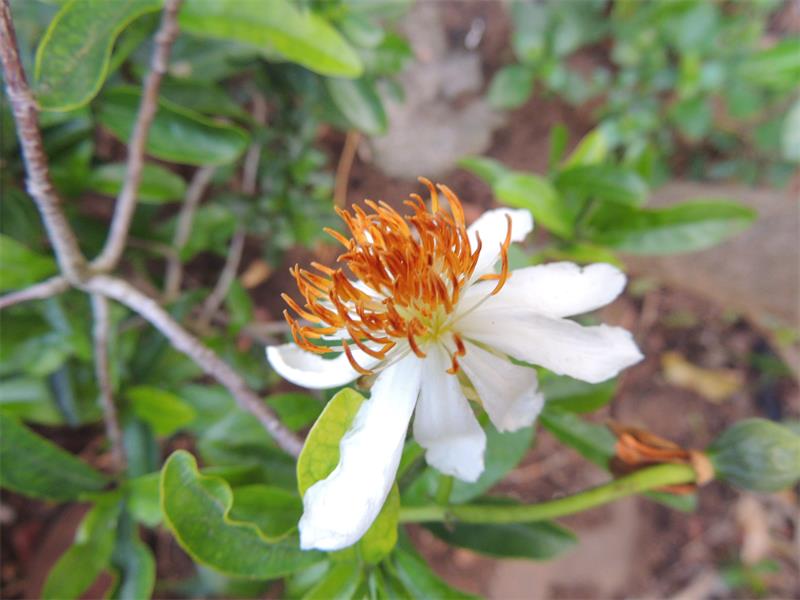
THE terms, alien, indigenous, endemic and invasive plants, are bandied around in green circles but many people are a little confused about what exactly they mean.
According to the Wildlife and Environmental Society of South Africa, an alien plant, also referred to as an exotic, is one that is foreign or not a native to an area. It has been introduced there from another country, either intentionally for domestic or commercial use or by accident.
YOU MIGHT ALSO BE INTERESTED IN : Invasives and natives: Corridors add value to natural bush
An alien is not necessarily a pest, but introducing any foreign plant, animal or insect to an area has risks. It might just start to reproduce and spread without help from humans into natural or semi-natural areas, becoming destructive to biodiversity and human interests.
Plants that achieve this are termed invasive. Thus foreigners that start pushing aside our indigenous vegetation and damaging the environment are termed alien invasives – but it is important to note that not all invasives are alien.
Plants indigenous to South Africa can also become invasive when moved into an area in which they do not naturally occur.
So why do some but not all aliens or even indigenous plants become invasive? Many aliens, like our pampered, hybrid rose trees for instance, might need plenty of help from gardeners to ensure they survive in a new home and are unlikely to become invasive.
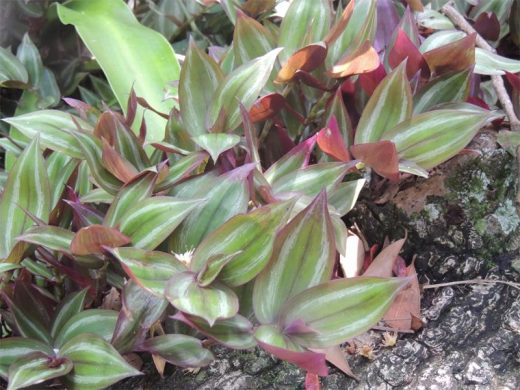
However others, like the pretty but deadly alien invasive lantana, find themselves moved into a new environment that is similar or better than their natural home and where they can flourish.
Adding to their comfort is the fact that the diseases, parasites and predators that kept them in check in their original homes have suddenly disappeared. They could also find themselves in a position where they have less competition from other plants for resources like light, water and food.
Most invasive plants are good at taking advantage of these benefits as they are fast growers that produce plenty of viable seeds.
Indigenous means native to an area. An indigenous plant is one that is found just where Mother Nature intended it to grow.
It is well adapted to conditions that both nurture it and keep it in check and it grows in harmony with its neighbou
rs. And if your indigenous plant – or bird, animal or insect – is endemic to an area it means that it only occurs there and no-where else in the world.
We have so many wonderful indigenous plants in our beautiful and biodiverse KwaZulu-Natal, many of them endemic to parts of our province, so I wonder why so many gardeners persist in ignoring them. Instead, our gardens are full of exotics that could easily hop over fences and cause problems in the wilds.
Many common alien garden subjects that are not on the official alien list are starting to ring alarm bells. Although not yet illegal aliens banned from gardens they have been added to the list of what concerned environmentalists call emerging weeds.
So let’s make use of the plants that Mother Nature intended us to use in KwaZulu-Natal. A good start would be the indigenous floral treasure a dear friend of mine gave me for my birthday recently. It goes by the name of Xylotheca kraussiana.
YOU MIGHT ALSO BE INTERESTED IN : Invasives and natives: Cactus and succulent facts
It’s a bit of a mouthful, I know, but its common name is easier to remember. It is also known as an African dog rose and if you saw it in flower you would know why. It boasts large, white scented flowers with a mass of yellow stamens arranged like the stamens of a dog rose.
The leaves are attractive, dark glossy green. Even the sometimes ribbed, woody fruit is eye-catching. From a wildlife point of view it is a good garden subject. Its flowers are visited by carpenter bees and it is a food plant for a couple of butterflies. When the capsules split birds and monkeys feast on the seeds.
However, its biggest value as a garden subject is its beauty. A flowering Xylotheca kraussiana is a sight to behold so I have planted mine in a prominent position where I can really enjoy it. So many of our indigenous plants are as beautiful as they are useful.
HAVE YOUR SAY
Like our Facebook page, follow us on Twitter and Instagram
For news straight to your phone, add us on BBM 58F3D7A7 or WhatsApp 082 421 6033