A NUMBER of snippets of news from here and there have crossed my desk, starting with Antarctica, which does not take kindly to invaders, in fact up until now invaders of any species have quite simply not survived.
But not any more. Temperatures have risen by as much as 3° over the past 30 years, driving back glaciers and uncovering more land on which moss can grow, providing a satisfactory environment for some new invaders.
YOU MIGHT ALSO BE INTERESTED IN : From my hide: Conservation in the news
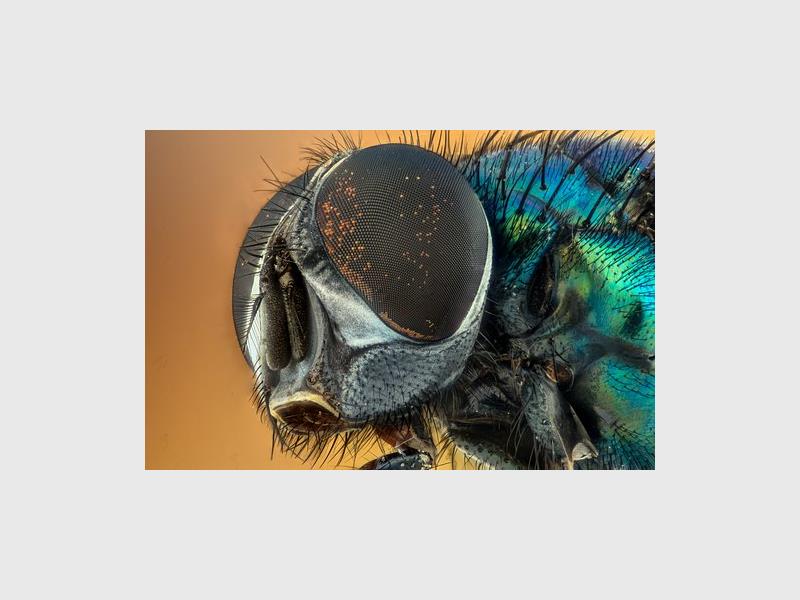
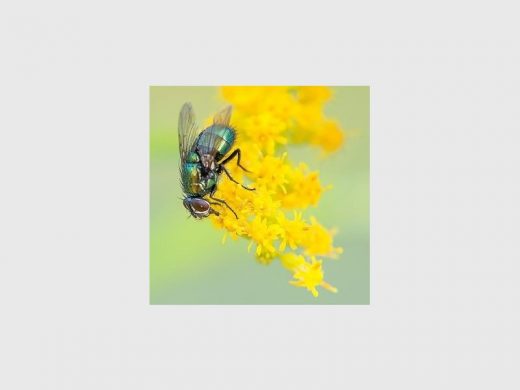
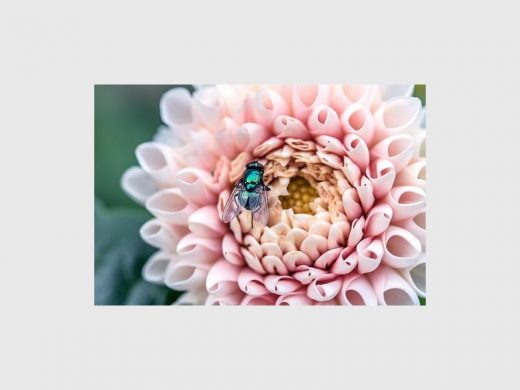
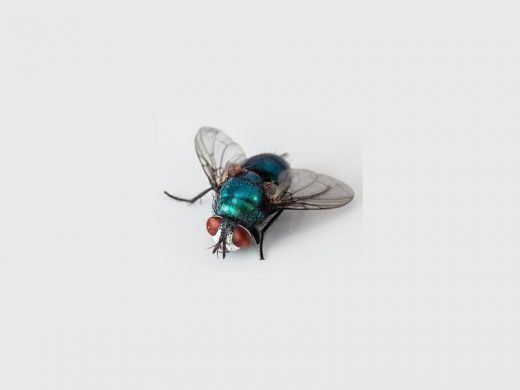
One of those is the common housefly, which is brought in on the increasing number of cruise ships that visit Antarctica and it has become a problem just as it is a problem everywhere else in the world.
The British Antarctic Survey says that the ships also bring in tourists, who are bringing in more and more beasties on their boots and even camera bags, beasties which are establishing themselves and creating problems for the indigenous micro-fauna.
And a problem in Britain. A botany NGO in the UK, Plantlife, says nitrogen emissions are having a devastating impact on the flora of England and Wales, driving out indigenous flowering plants and allowing in such weeds as nettles and hogweed.
The organisation says nitrogen emissions from transport, agriculture and industry are deposited directly from the air or by polluted rain, affecting up to 90 percent of heathlands and other sensitive habitats.
The situation in Scotland is almost as bad. Apparently the alien weeds thrive on nitrogen, while the indigenous flowering plants do not.
One of Britain’s most endearing creatures, the dormouse, is facing extinction through climate change and habitat loss. Scientists from the University of Exeter say that the dormouse numbers have shrunk by over 70 percent over the past 20 years despite strict and widespread conservation measures.
The dormouse, the hazel dormouse to be precise, is nocturnal, sleeping in trees in spring and summer and hibernating in woven nests on the ground during winter.
On the subject of endearing, one of our most endearing creatures is our own woodland dormouse, looking for all the world like a miniature squirrel.
Back to Britain, an engineer is developing what is described as an ‘edible’ drone that can be used to get much needed supplies into disaster areas which are otherwise inaccessible.
With a self-fly mechanism it can be released about 30 kilometres from the target area, and once there almost every part of the drone can be used. It can carry essential food, water and medical supplies to cover about 80 people for a day, and once all of that has been off-loaded the rest of the drone can be eaten (it’s partly made from foodstuffs) or used as fuel.
And finally, in a remarkable display of generosity, the widow of an American billionaire has donated 25 000 square kilometres of land to the people of Chile to expand three existing national parks.
Kristine McDivitt Tompkins is the widow of Doug Tompkins, founder of an outdoor clothing company, a keen conservationist who bought up vast swathes of wilderness in South America in order to conserve it. This donation adds to that heritage.
Source: The Week: The Best of the British and Foreign Media.
HAVE YOUR SAY
Like our Facebook page, follow us on Twitter and Instagram
For news straight to your phone, add us on BBM 58F3D7A7 or WhatsApp 082 421 6033