EVERY garden should have at least a little pond, not only because it adds a special sparkle to the landscape.
With some thought, planning, elbow grease and plenty of indigenous water plants and surrounding greenery it is fairly easy to create a pond that will add an extra dimension to your wildlife friendly gardening efforts. You would be amazed at just how many creatures great and small would appreciate your efforts.
YOU MIGHT ALSO BE INTERESTED IN : Invasives and Natives: A flowery celebration of diversity
Find a nice, sunny corner, perhaps in a lower, wetter section of the garden, to site your pond. Preferably it should enhance the overall garden design and should be in a place where you can appreciate it.
Remember to have a shallow end and gradual slopes to the edges of the pond to make sure smaller creatures can climb out easily. A word of warning, though – don’t situate the pond too close to a bedroom window.
We made that mistake and are sometimes kept awake by an amazing froggy and toady chorus. It is a small price to pay, though, for the privilege of waking to find a hamerkop or woolly-necked stork keeping our frog and indigenous fish populations under control.
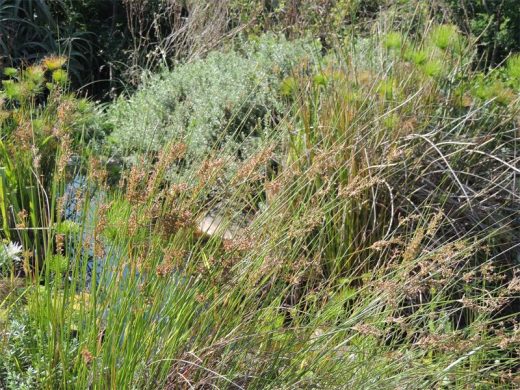
My pond is used by all sorts of other birds, the smaller guys bathing in the pebbly shallows or drinking from the tiny artificial sandy beach leading in to the shallow end of the pond.
A number of other birds, like our resident drongos, seem to like to drop by now and then for a quick splash. The hadedas simply march into the deep end and plunging right in.
The pond attracts myriad fascinating insects, including all sorts of little ones that skate, skim or paddle vigorously across the surface.
We had a fishing spider set up home in our pond for a while and we were fascinated to see how it caught all sorts of insects and even small fish.
My favourite insect visitors to our pond, though, are the damselflies and dragonflies.When it comes to adding the plant life to a pond I really would advise gardeners to go the indigenous route.
There are just so many nasty imported water plants that have become invasive and are causing all sorts of problems throughout South Africa’s water courses. It is far too easy for these problem plants to gravitate from a domestic pond into a stream or river, often with the aid of birds.
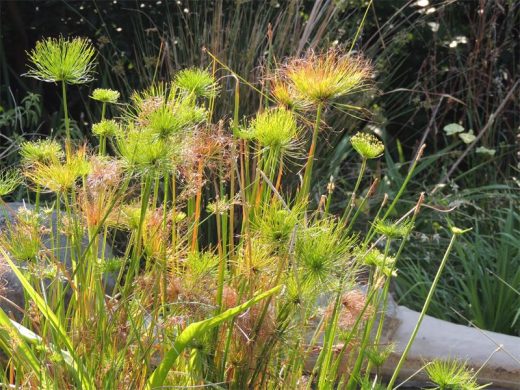
Pickerel weed (Pontederia cordata) is a listed invasive that is often seen in garden ponds and yet it has invaded extensive sections of land alongside rivers.
Water hyacinth (Eichhomia crassipes) and water lettuce (Pistia stratiotes) are both extremely troublesome plants that can cover huge water surfaces very quickly and can clog up lakes, dams, rivers and irrigation canals. Clumps of these plants can harbour mosquito larva and bilharzia carrying snails. Don’t be responsible for promoting their spread.
There are plenty of pretty indigenous plants that don’t mind their feet getting wet and can be used to frame your pond. Wildlife appreciates a bit of a wetland and some vegetation cover around a garden pond. Water plants include various indigenous sedges, rushes, reeds and papyrus.
YOU MIGHT ALSO BE INTERESTED IN : Invasives and natives: The low-down on confusing floral terms
There are quite a few plants that will actually thrive in water, too, including some beautiful indigenous water lilies. Watch out, though, as there are a number of alien and hybrid species available. Buy your water lilies from a good indigenous nursery.
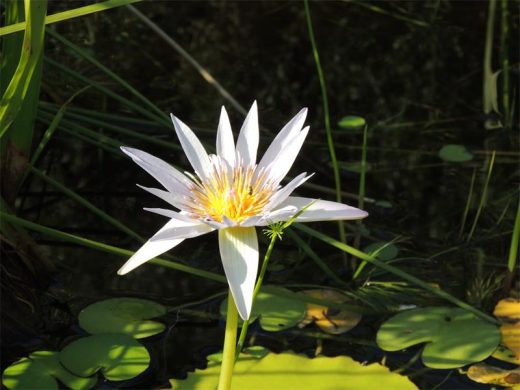
Best known of our water lilies is probably Nymphaea nouchali, which has the showy blue or white flowers we often see on stretches of natural water. Lesser known is a tiny gem called Nymphoides thunbergia, which has attractive heart-shaped leaves and exquisite little yellow flowers.
To make my pond more environmentally and wildlife friendly, I only use harvested rain water to fill it. In fact, the tank’s overflow runs into the pond, helping to flush it out a bit and keeping it clean and sparkling, aided by my hungry indigenous fish that are great pond cleaners.
Every so often, my pond starts to get a bit too overgrown and needs a good clean-out. Otherwise, it is pretty easy to maintain.
If you want some advice about installing and maintaining a garden pond that will delight your neighbourhood wildlife, you will find a whole chapter on the wildlife pond in ‘Bring Nature Back to your Garden’ by indigenous gardening gurus Charles and Julia Botha. I referred to this chapter frequently when we built our pond.
HAVE YOUR SAY
Like our Facebook page, follow us on Twitter and Instagram
For news straight to your phone, add us on BBM 58F3D7A7 or WhatsApp 082 421 6033